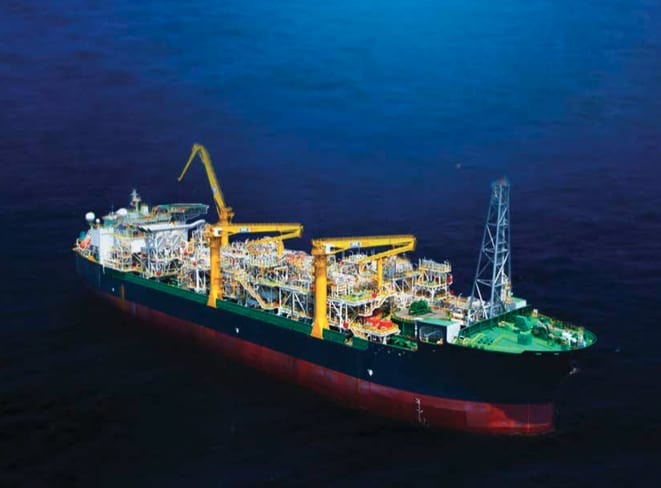
The Dangote Refinery expansion will require an estimated $14.3 billion and double the Nigerian facility’s processing capacity to 1.4 million barrels per day by 2029.
The project would place the Lagos based refinery among the world’s largest processing sites and strengthen Nigeria’s growing role as an exporter of refined petroleum products.
Current capacity stands at about 700,000 barrels per day. The planned increase could provide more petrol, diesel and aviation fuel for Nigeria while widening supplies to Ghana and other African markets that remain dependent on imports.
The expansion will test more than engineering ambition. Dangote must secure crude oil, financing and infrastructure for a facility processing twice its current volume.
Refinery launches landmark share offer
The announcement comes as Dangote Petroleum Refinery and Petrochemicals prepares for an initial public offering scheduled to open on September 14 and close on October 13, 2026.
The company will offer 4.1 billion ordinary shares at ₦525 each. A fully subscribed offer could raise approximately ₦2.15 trillion, equivalent to about $1.63 billion. An additional 30% of shares may be issued if demand exceeds the original offer, subject to regulatory approval.
The share sale could become Africa’s largest IPO and is expected to test investor appetite for the continent’s biggest private industrial project. Financial Times reporting puts the implied company valuation at about $49 billion.
Profit rebound strengthens expansion case
The refinery reported an after tax profit of $1.82 billion for the first half of 2026, according to figures contained in its IPO prospectus. That marks a sharp reversal from the $476 million loss recorded for the whole of 2025.
The turnaround gives investors a stronger operating story, but the size of the expansion means the IPO proceeds will cover only part of the required investment.
For West Africa, the project could reshape petroleum trade by keeping more crude processing and product value within the region.
Its real impact will depend on reliable output, competitive pricing and the refinery’s ability to deliver beyond Nigeria’s domestic market.
READ ALSO: NDPC to Monitor Ghana’s US$10 billion New Economy Programme