Ghana is returning to the domestic capital market with a new four-year Treasury bond, testing whether investors are prepared to commit cedi funds beyond the short-term Treasury bill market as government gradually rebuilds confidence in longer-dated sovereign debt.
The Bank of Ghana, acting on behalf of the Republic, announced the issuance under Notice No. BG/FMD/2026/43. The bond will mature in 2030, although the final amount to be raised has not yet been fixed.
The transaction will be structured as a senior unsecured obligation of the Republic, with the entire principal amount repaid at maturity rather than through instalments.
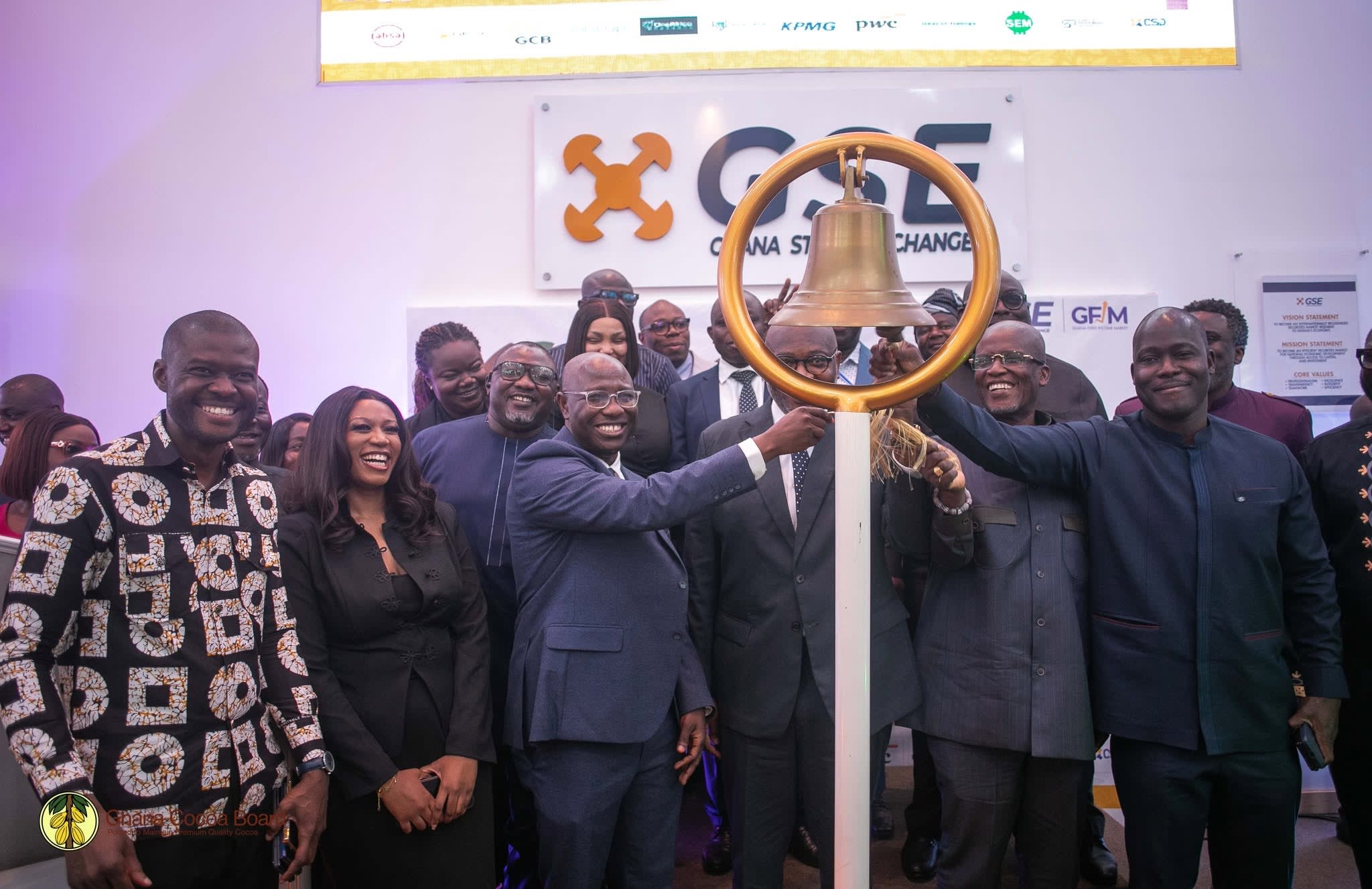
Resident investors will form the core market, but non-residents will also be allowed to participate. The security is expected to be listed on the Ghana Stock Exchange after issuance.
Book-Build Opens September 1
The book-building process begins at 9:00 a.m. on Tuesday, September 1, 2026, after the release of initial pricing guidance.
Government may revise the pricing guidance as investor orders come in, with the book expected to close around 3:00 p.m. on Thursday, September 3.
Final pricing and allocations will follow the book-build, while September 7 has been set as the settlement and issue date.
The size of the issue remains to be determined, giving government room to adjust how much it borrows depending on demand and the yield investors require.
The minimum bid has been fixed at GH¢50,000, with additional applications accepted in multiples of GH¢1,000. Each bond will have a face value of GH¢1.
That minimum entry level means the transaction is likely to attract pension funds, banks, insurers, fund managers, asset managers and other institutional investors rather than small retail buyers.
A Test Beyond Treasury Bills
The four-year maturity makes the transaction more significant than a routine funding exercise.
For years, government financing has leaned heavily on short-term Treasury instruments, particularly 91-day, 182-day and 364-day bills.
That creates persistent refinancing pressure because large amounts of debt must repeatedly be rolled over within relatively short periods.
A bond maturing in 2030 gives government an opportunity to extend the maturity profile of its domestic debt and begin rebuilding benchmark pricing further along the yield curve.
The bigger question is whether investors will accept that additional duration without demanding an expensive premium.
An investor buying the bond must consider what Ghana’s inflation, interest rates, fiscal position and exchange rate could look like over the next four years.
That makes the final clearing yield one of the most important numbers in the transaction.
Final Yield Will Signal Market Confidence
Unlike a bond issued with a predetermined coupon, the new security will be priced through a book-build in which investors submit bids based on the yield they require.
Successful bids will clear at a single level.
Strong demand could allow government to borrow at a relatively favourable rate. Weak appetite could force the issuer to offer a higher return before investors are willing to hold Ghanaian sovereign risk until 2030.
Subscription levels alone will therefore not tell the entire story.
Government can attract buyers if the return is high enough. The more meaningful measure will be whether investors are willing to lend for four years at a cost consistent with sustainable debt servicing.
A large premium over short-dated securities would suggest investors still see material risks around inflation, fiscal discipline or monetary conditions. A narrower premium could indicate that confidence in Ghana’s improving macroeconomic environment is extending beyond the immediate term.
Foreign Investors Face Cedi Risk
Non-resident participation will also be closely watched.
Foreign investors may find the nominal cedi yield attractive, but their actual returns will depend heavily on the exchange rate.
A sharp depreciation of the cedi over the holding period could wipe out part of the interest earned when returns are converted into dollars or other foreign currencies. Stable or stronger exchange-rate performance would have the opposite effect.
The bullet repayment structure also concentrates the entire principal obligation in 2030. While that gives investors a simple cash-flow profile, it means government will eventually face a sizeable maturity rather than gradually paying down the debt.
Six Active Bond Market Specialists have been appointed for the transaction: Absa, CalBank, Fincap, GCB, OA and Stanbic.
Their job will include mobilising orders during the book-build and supporting trading after issuance.
For Ghana, the bond is an important marker in the rebuilding of the domestic debt market after restructuring disrupted confidence and longer-term pricing.
The real verdict will not simply be how many billions of cedis government raises. It will be the yield investors demand before agreeing to lock their money into Ghanaian sovereign debt until 2030.
READ ALSO: Mahama Arrives in Luanda for AU Peace and Security Summit