Ghana’s population could double in about 33 years if the current annual growth rate of 2.1% continues, Government Statistician Dr Alhassan Iddrisu has said.
The country is currently home to about 33.7 million people and adds an estimated 500,000 to 700,000 people every year, according to Dr Iddrisu.
“As we speak now, Ghana is home to about 33.7 million people, and the estimates show that every year, we add on about 500,000 to 700,000 people,” he said.
Population growth slows
Dr Iddrisu said Ghana’s population is still expanding, but the pace has slowed compared with previous decades.
The annual growth rate stood at 2.7% between 1984 and 2000 before dropping to 2.5% between 2000 and 2010. It fell further to 2.1% between 2010 and 2021.
At the current rate, he said, the population would take about 33.3 years to double.
“But it used to be higher. And so, because we are now looking at a 2.1 per cent growth rate, it will take about 33 years for the population to double,” Dr Iddrisu said.
A 2.7% growth rate would have doubled the population in roughly 26 years, while a 2.5% rate would have required about 28 years.
Ghana becoming increasingly urban
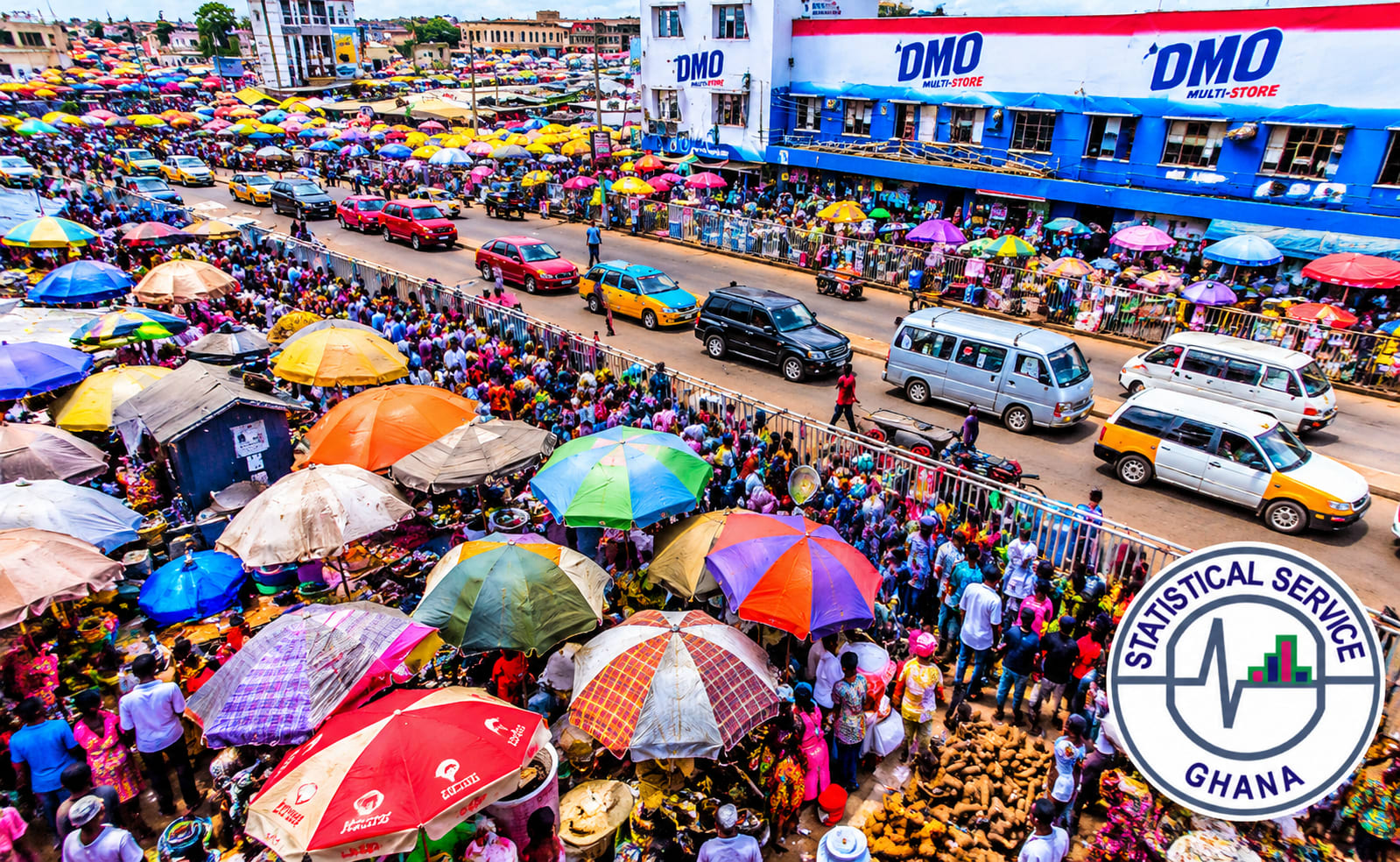
The demographic shift is also changing where Ghanaians live.
In 1984, about 68% of the population lived in rural communities, compared with 32% in urban areas. By 2000, the urban share had risen to about 43%.
Ghana became predominantly urban in 2010, when 50.9% of the population was recorded in urban areas.
The 2021 Population and Housing Census pushed that figure to 56.7%, representing 17.47 million people, while 43.3% lived in rural communities.
More recent Ghana Statistical Service estimates put the urban share at 58.7% in 2025, with projections showing it could reach 60.7% by 2030.
The figures point to growing pressure on housing, transport, employment and public services as Ghana’s cities absorb a larger share of the country’s expanding population.
READ ALSO: NPP Demands Muntaka Resignation Over Cocaine Seizures