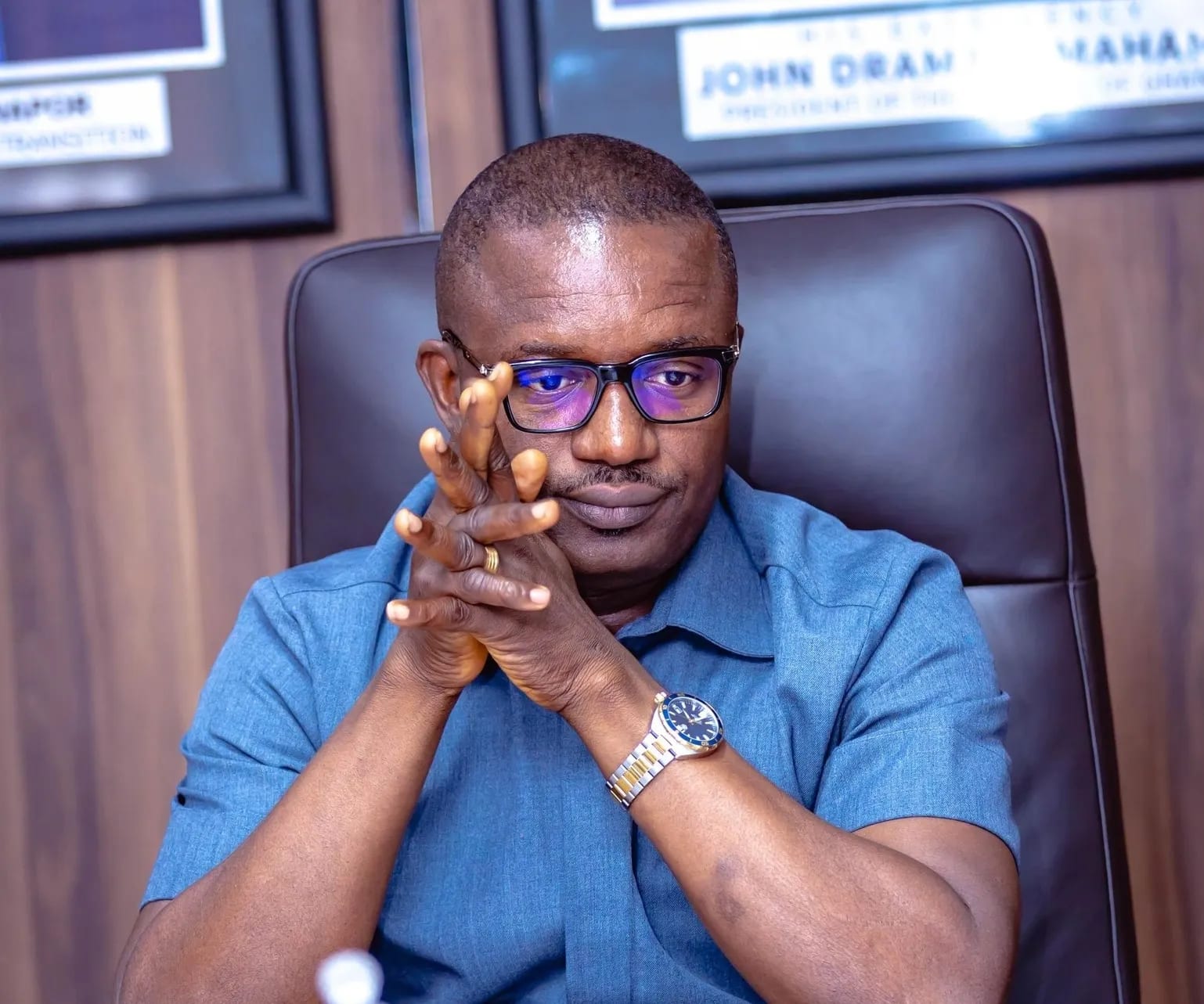
Ghana is drawing a line on how it handles its minerals abroad. Minerals Commission CEO Isaac Tandoh told delegates in Saint Petersburg that any Ghana Russia mining partnership must prioritize local value addition over simple extraction.
This stance was the key message delivered at the Ministerial roundtable at the ongoing Second Russian-African Raw Materials Dialogue in Russia.
Speaking on behalf of the government, Tandoh highlighted a stark reality regarding global production figures. Eight of the top twenty gold-producing countries globally are African nations, and yet only about 2% of the continent's natural resources are processed locally.
He argued this statistic must change if cooperation is to be meaningful for the people of Ghana. The event organised by the Ministry of Foreign Affairs of the Russian Federation brought together over 500 participants from 12th to 16th of October 2026 to explore mutual cooperation in sustainable development.
Tandoh indicated that while Ghana is open to knowledge sharing and advanced technological transfer from Russia and other well-advanced nations, it should be genuine.
"All future cooperations must move beyond simple raw material extraction toward a partnership of sovereign equals," he noted.
He insisted technical training and industrial cooperation be delivered directly through Ghanaian institutions rather than serving as a one-way export of resources and expertise. This ensures Ghanaian engineers and institutions are left with measurable new capabilities.
Digital Regulation and Critical Minerals
The CEO pointed to Ghana's modernised and robust regulatory environment as a foundation for this shift. He highlighted the deployment of digital technology such as the Minerals Commission's digital Mineral Cadastre Administration System and geofencing technology.
This ensures mineral rights acquisitions adhere strictly to stipulated guidelines. Ghana is also broadening its focus beyond traditional minerals to critical resources such as lithium, iron ore and bauxite. These efforts are supported by state-backed development frameworks including GIISDEC and GIADEC.
He concluded by calling for a formal, institutionalised Ghana-Russia Mining Cooperation Framework built on reciprocity rather than dependency.
Tandoh observed that Russia's import needs for critical minerals match Ghana's resource offerings. The push is for partnerships that are transformational and mutually beneficial. Ghana will only prioritize partnerships that enable us add value to our raw materials locally.
This signals a shift from dependency to structured collaboration where benefits remain within the country. The call for a partnership of sovereign equals underscores Accra's desire to control its economic destiny while engaging global powers.
READ ALSO: GoldBod Recovers GH¢38.7 Million in Legacy Debts Owned to PMMC