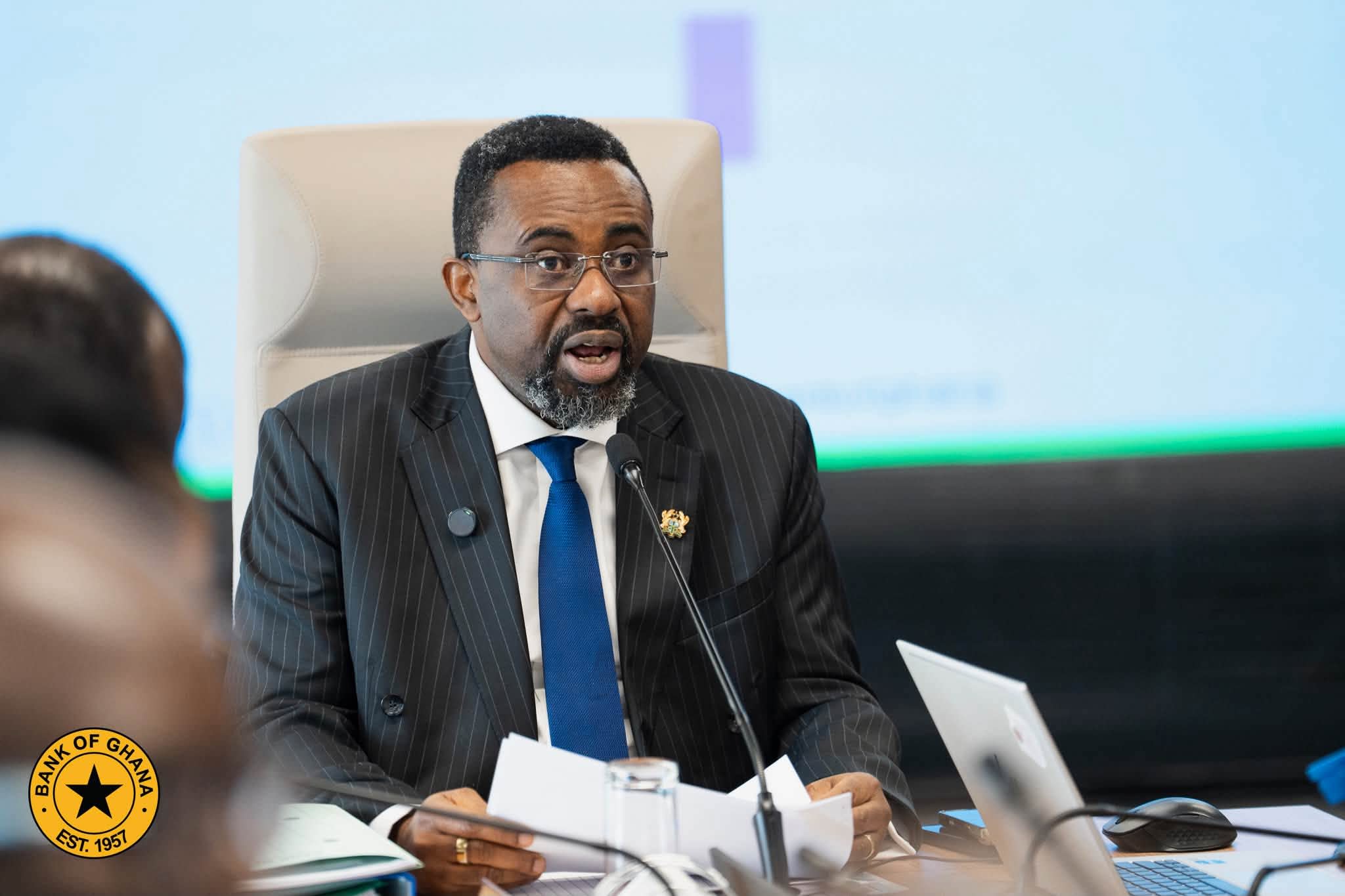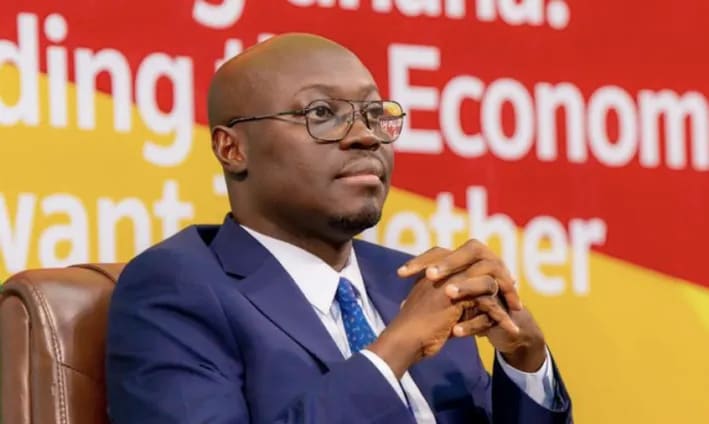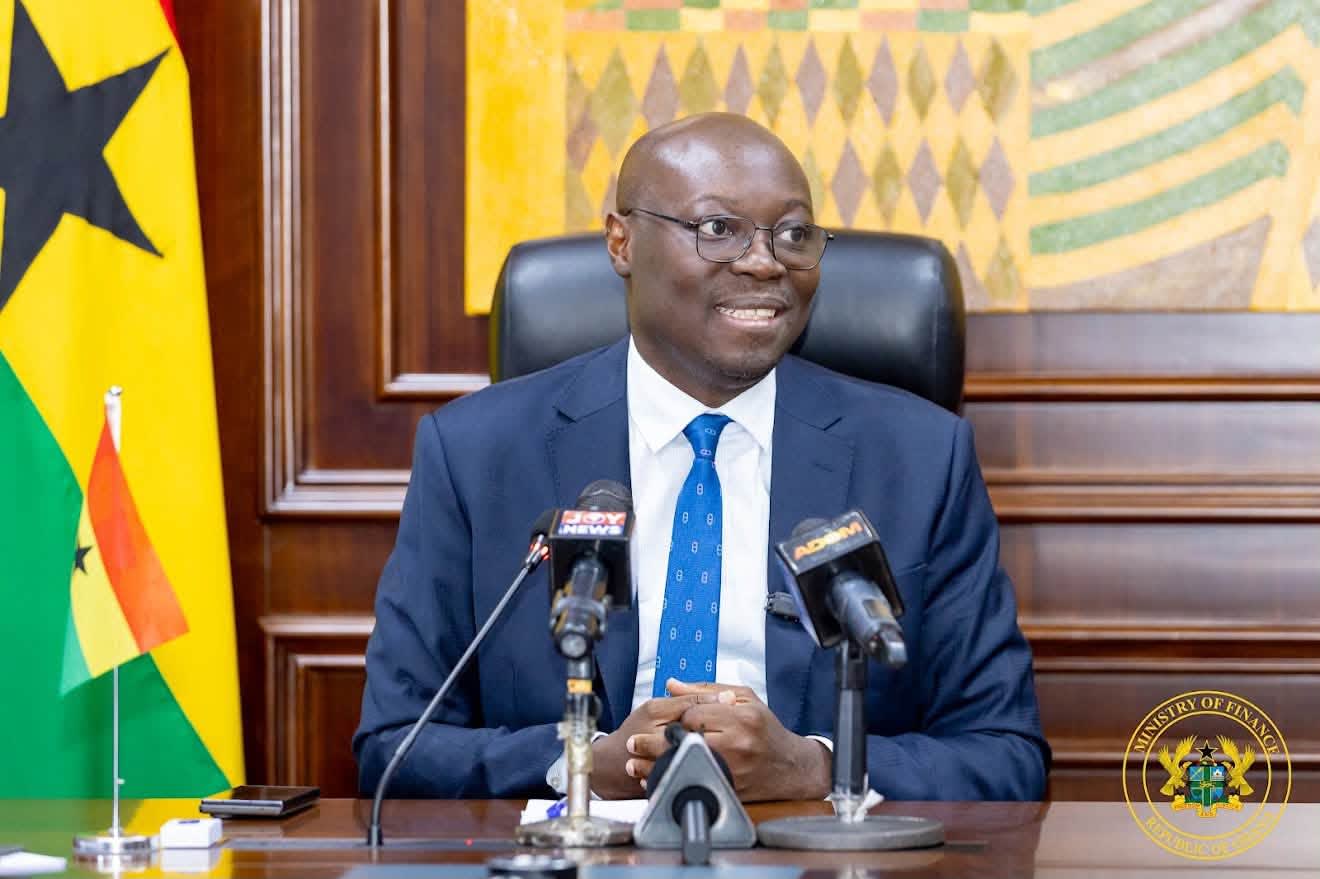
Finance Minister Dr Cassiel Ato Forson has declared the Ghana economic recovery ready to move from stabilization to sustained growth, arguing the country has finally turned the tide on years of macroeconomic distress.
Speaking on the government's progress, Forson framed the current moment as a turning point rather than a finished job.
He insisted that while the foundation for expansion is now laid, the durability of every subsequent gain depends on preserving the stability that made the turnaround possible.
Stability Before Speed
The Minister's assessment carries a clear warning against rushing back to old habits. He argued that economic stabilization can stop deterioration and restore confidence, but it does not automatically produce jobs or higher household incomes.
That distinction matters for a population waiting to feel the change. Forson acknowledged that progress remains conditional.
The government will pursue economic take-off cautiously because the gains recorded so far are dependent on continued macroeconomic stability.
"And we will take off cautiously," he said. "Bear in mind that all the gains we have made are dependent on us maintaining the macroeconomic stability."
This places fiscal discipline at the centre of the next phase. A return to large unfinanced expenditure or borrowing unsupported by productive returns could weaken confidence and place renewed pressure on inflation and the cedi.
The temptation after a successful stabilization period is to interpret improving conditions as permission for rapid spending. Ghana's experience demonstrates why that can be dangerous.
Private Sector and Currency Pressures
Preserving stability should not become an argument for indefinite restraint without a growth strategy. Ghana's next challenge is to redirect the credibility gained from adjustment towards productive investment and private-sector expansion.
Public resources will need to be concentrated on infrastructure, energy reliability and industrial capacity. The private sector will also determine whether Ghana genuinely takes off.
Government can provide stability, but sustained employment requires businesses willing to invest and innovate.
That makes access to credit particularly important. Stabilisation should gradually create room for lower financing costs, but banks will also consider credit risk and government borrowing requirements.
Ghana's recovery narrative will also be tested by the cedi. A stable currency requires confidence that foreign-exchange demand and supply can adjust without repeated disorder.
Export growth and credible reserve management will be important. So will reducing the economy's dependence on imported fuel and food that intensify demand for foreign currency.
Political Mandate and Accountability
Dr Forson placed the recovery within the political mandate received by President John Mahama. He reminded public officials they were elected to respond to a country in crisis.
We were elected to come and save a country in crisis. Don't forget that, he said. President Mahama and his members of Parliament were elected to save this country because Ghana was in a crisis.
The comments transform economic management into a question of accountability. If the government defines its mandate as rescuing the economy, it must demonstrate that the benefits of recovery are being shared.
Together, we have a responsibility to work to the satisfaction of the people of Ghana, Dr Forson said. That standard is more demanding than meeting fiscal targets.
Public satisfaction will depend on employment, incomes and whether citizens believe sacrifices made during adjustment have produced a fairer economy.
The government must also manage expectations honestly. Declaring that the tide has turned creates optimism, but it risks disappointment if households expect an immediate improvement in every aspect of economic life.
The Road Ahead
Dr Forson's central message is ultimately one of guarded confidence. Ghana is no longer being presented as an economy focused solely on preventing collapse.
It is being positioned as a country capable of moving forward from a stronger base. But take-off is not a single event. It is a sustained process requiring discipline across budgets, debt and public investment.
Ghana's success will depend on whether policymakers can resist short-term pressures while accelerating reforms that make stability economically meaningful.
The tide may have turned, as the Finance Minister argues. The next test is whether Ghana can convert that change in direction into lasting growth without losing the foundation beneath it.
READ ALSO: Ghana Seeks Sovereign Equals in Ghana-Russia Mining Partnership