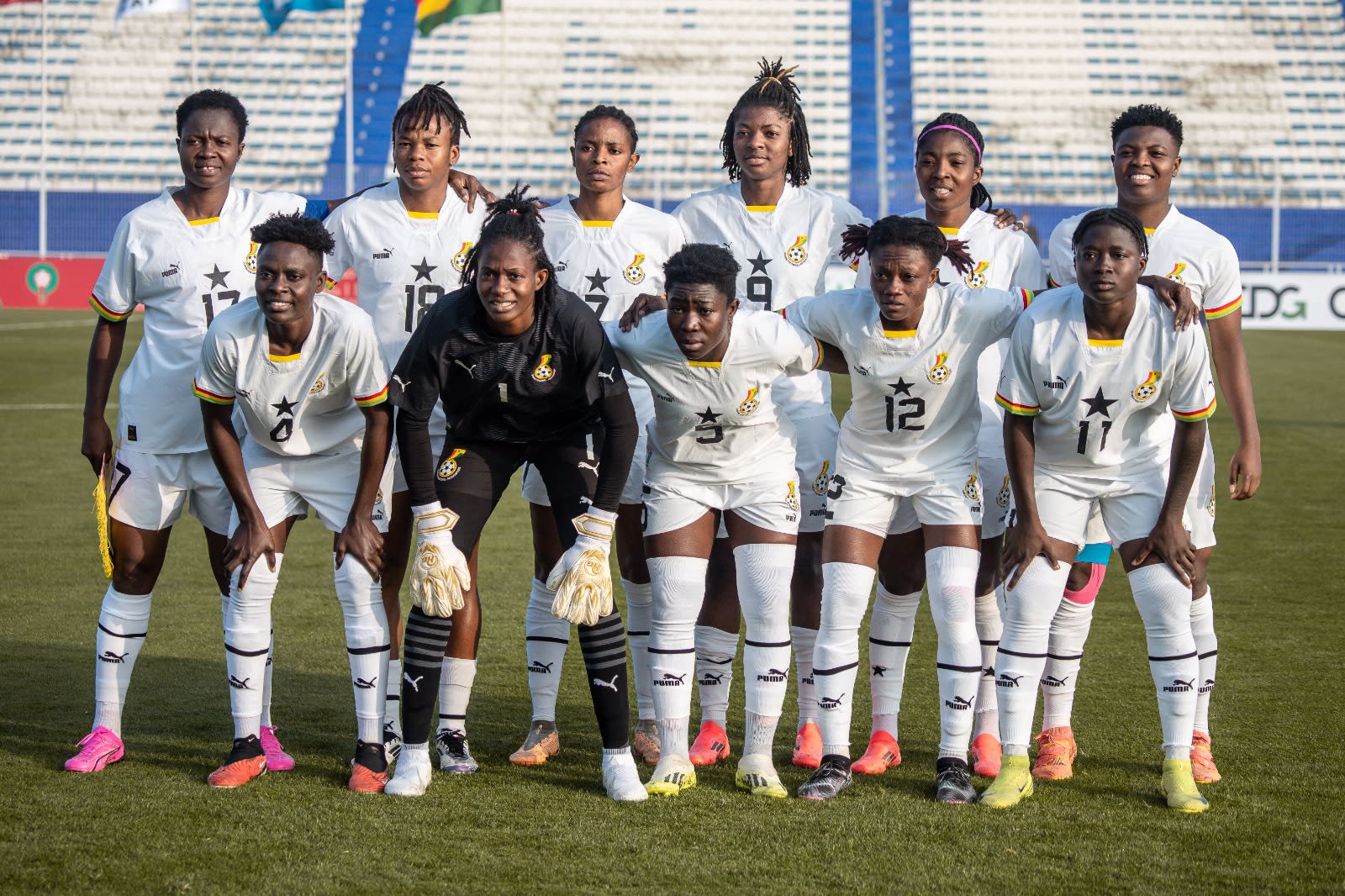
Ghana’s U-20 women’s national team, the Black Princesses, have advanced to the final round of qualifiers for the upcoming FIFA U-20 Women’s World Cup, putting the side within touching distance of another appearance on the global stage.
The team secured progression after a disciplined and tactically strong performance across their qualifying fixtures, demonstrating both defensive organization and attacking efficiency. Football analysts say the campaign has highlighted the depth of emerging talent within Ghana’s women’s football system and reinforces the country’s reputation as one of Africa’s consistent contenders at youth level.
“Reaching the final round is proof that the development structures are producing results,” a youth football analyst said.
Tactical Discipline and Squad Depth
Observers note that Ghana’s qualification run has been characterized by balanced team play rather than reliance on individual brilliance. Coaches have focused on structured pressing, quick transitions, and compact defensive lines, allowing the team to control matches even against technically strong opponents.
The squad’s depth has also drawn praise, with several players stepping up in key moments during the campaign.
“What stands out is the team mentality. They play as a unit, and that’s often what separates qualifiers from non-qualifiers,” the analyst added.
Youth tournaments often serve as indicators of future senior-team strength, and strong performances at this level are seen as a positive sign for the long-term outlook of Ghanaian women’s football.
Importance for Ghana Football
Qualification for a FIFA youth tournament carries significance beyond sporting prestige. Participation provides young players with exposure to international competition, professional scouting opportunities, and experience against elite global opponents.
Football administrators say tournaments like the U-20 World Cup are essential for building a pipeline of talent capable of strengthening senior national teams.
“Youth competitions are where tomorrow’s stars are shaped,” a technical development official noted.
Ghana has historically used youth tournaments as a foundation for national team success, with many senior players first gaining recognition on international stages at junior level.
Growing Momentum in Women’s Football
The Black Princesses’ progress also reflects broader growth within women’s football in Ghana. Increased investment in grassroots programmes, school competitions, and talent identification initiatives has expanded the pool of players entering national development pathways.
Sports analysts say this trend mirrors continental momentum, as African nations increasingly prioritize women’s football as part of long-term sporting strategies.
“Women’s football is no longer developing quietly. It’s becoming a major pillar of African football,” a regional football observer said.
Final Qualification Hurdle
The last qualifying round will determine whether Ghana secures a place at the World Cup. Opponents are expected to be among the strongest teams on the continent, meaning preparation, fitness, and tactical discipline will be crucial.
Technical staff are expected to intensify training camps and friendly matches to fine-tune the squad before the decisive fixtures.
“The final stage is always the toughest because every team is just one step from qualification,” the analyst explained.
Outlook
With qualification now within reach, expectations among supporters and officials are rising. A successful campaign would not only secure Ghana a place at the tournament but also reinforce confidence in the country’s youth development system.
If the Black Princesses complete the job, it would mark another milestone for Ghana’s women’s football programme and strengthen the nation’s reputation as a consistent force in international youth competitions.
“This team has the potential to go far if they maintain focus and discipline,” the analyst concluded.