Samuel Okudzeto Ablakwa has called on the global community to move beyond symbolic remembrance and embrace concrete reparatory justice for victims of the Transatlantic Slave Trade.
Speaking at a high-level forum during the United Nations General Assembly on March 24, 2026, the minister stressed that historical reflection alone is insufficient.
Addressing diplomats and human rights advocates marking the International Day of Remembrance of the Victims of Slavery and the Transatlantic Slave Trade, Mr. Ablakwa described the trade as a systematic erasure of African humanity that demands present-day accountability.
“Remembrance carries responsibility. Honouring victims of this tragedy requires more than recalling the past. “It calls on us to recognise the humanity that was denied to them.” - Samuel Okudzeto Ablakwa
He urged nations to adopt a justice-oriented approach rooted in education and reform, adding that “deepening our understanding of this history” must translate into a commitment to building a world grounded in dignity, equality, and justice.
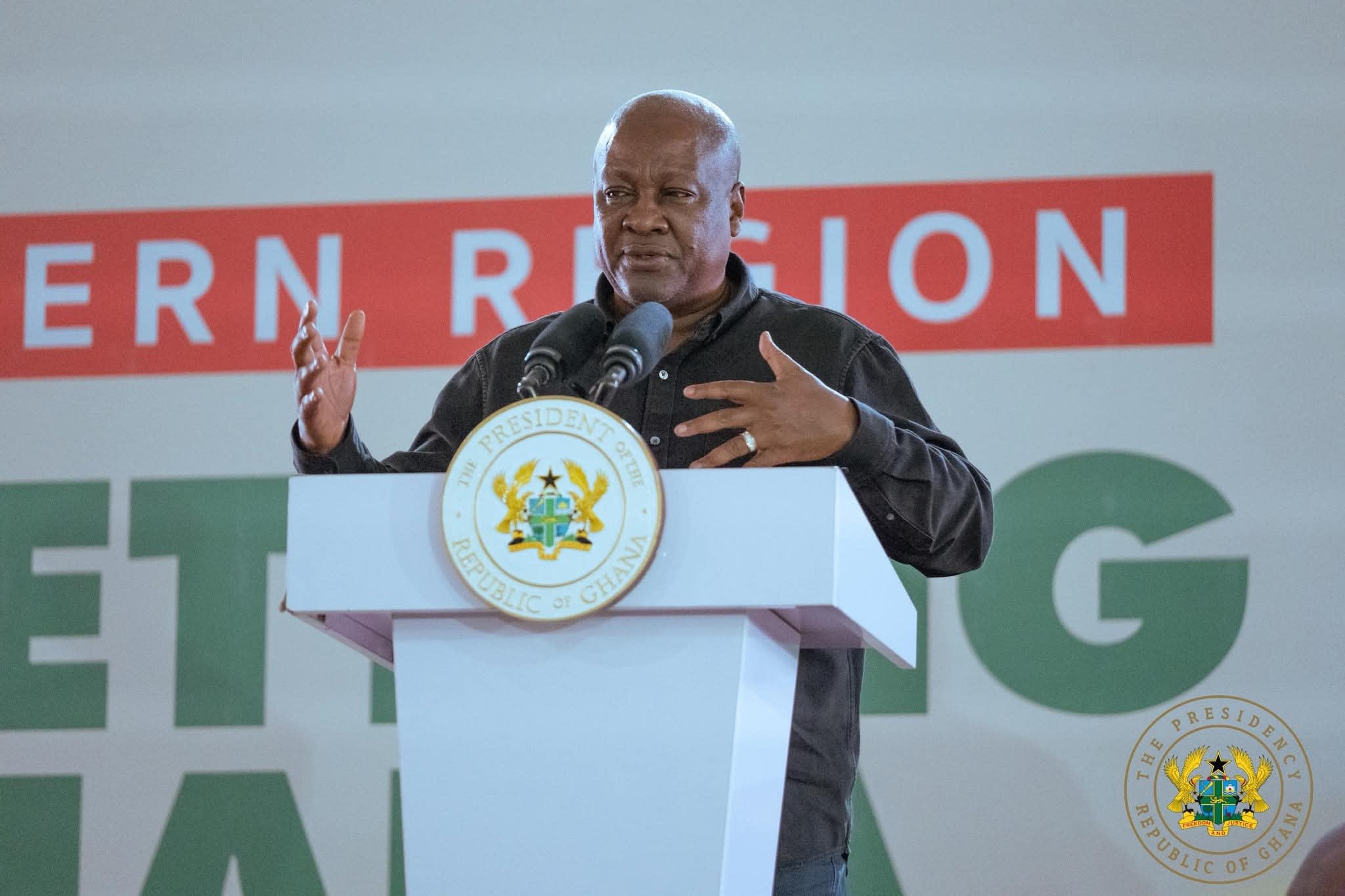
The Ghanaian delegation was led by John Dramani Mahama, whose presence underscored the country’s renewed diplomatic push for reparatory justice.
President Mahama has consistently advocated for global recognition of slavery and racialised chattel enslavement as the “gravest crime against humanity.”
His participation signals Ghana’s intent to elevate the reparations debate on the international stage, aligning moral advocacy with diplomatic engagement.
Linking History to Present Inequality
The 2026 observance comes as Ghana strengthens its position as a cultural and economic hub for the African diaspora, building on initiatives such as “Beyond the Return.”
The government sees reparatory justice as a bridge between historical injustices and contemporary disparities affecting people of African descent worldwide.
At the New York forum, African and Caribbean delegates discussed coordinated frameworks for justice, including formal apologies, debt relief, and targeted investments in healthcare and education systems.
These proposals aim to address the enduring consequences of centuries of exploitation, including economic underdevelopment and the loss of human capital.
Ghana’s message at the Assembly was clear: modern commitments to human rights must be grounded in an honest reckoning with history.
The delegation argued that global institutions cannot credibly champion equality while neglecting the legacy of one of humanity’s darkest chapters.
By amplifying the call for reparatory justice, Ghana is seeking not only acknowledgement of past atrocities but also tangible steps toward equity, ensuring that remembrance is matched with meaningful global action.
READ ALSO: Sammy Gyamfi Defends Big Push Procurement Decisions