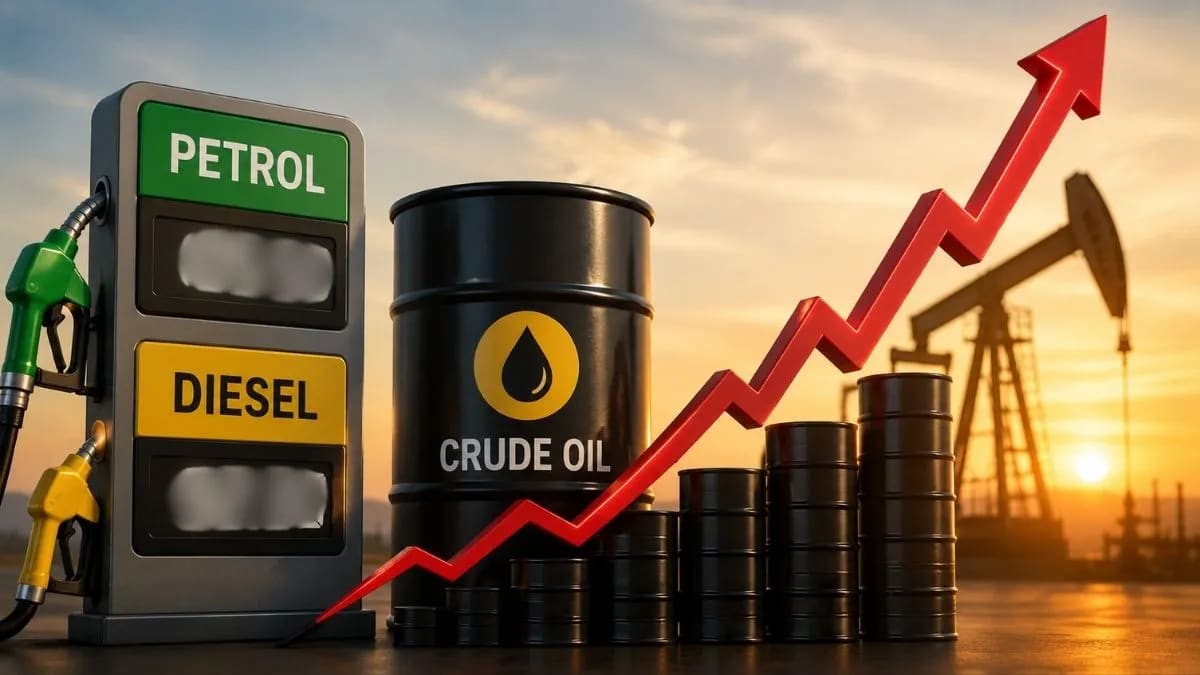
State-owned oil marketing firm GOIL PLC is evaluating various pricing strategies to protect Ghanaian motorists from potential pump price surges as international Brent crude oil trades past US$100 per barrel.
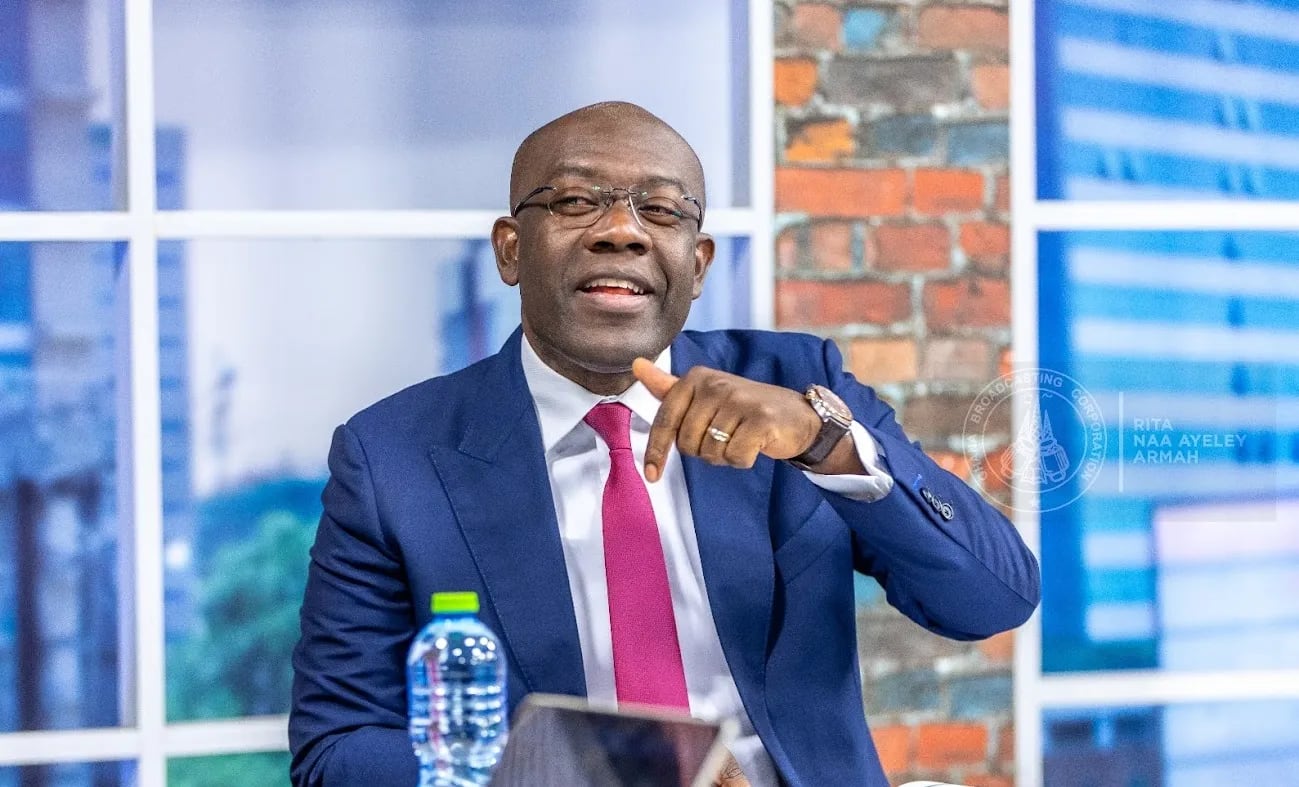
Group Chief Executive Officer and Managing Director Edward Bawa said the company was examining different market scenarios ahead of the pricing window beginning September 16.
Global crude prices have risen sharply amid growing supply concerns linked to the Middle East conflict. For Ghanaian oil marketing companies, the increase raises the cost of importing finished petroleum products and creates pressure to adjust pump prices.
Mr Bawa said higher international prices would not necessarily translate into an equivalent increase at GOIL stations. The final outcome, he explained, would depend on the figures available and the strategy adopted by the company.
“Prices going up does not necessarily mean that at the pumps it will go up.
“So GOIL will definitely find a way of trying to tame the market, and in doing that, by the 16th of September, you will know.” - Edward Bawa
Cost recovery meets consumer pressure
GOIL cannot sell fuel below cost indefinitely. Mr Bawa acknowledged that commercial reality but said the company was also conscious of how a sharp price adjustment would affect households and businesses.
“In as much as we need to at least cover our costs, we need to ensure that our actions also go to ameliorate the effects of increases in prices for them,” he said.
The company entered the current pricing window selling Super XP petrol at GH¢15.43 per litre and Diesel XP at GH¢17.26.
Those prices were maintained at the start of September despite expectations of an increase across the market. Whether GOIL can repeat that decision will depend on its procurement costs, foreign-exchange position and the room available within its margins.
Mr Bawa said the volatility in the international market had become a constant concern for oil marketing companies.
“As a provider of petroleum products to customers, you want to ensure that your customers are not overly burdened because of the pricing,” he said.
Transport fare demand enters debate
The decision is being watched closely by commercial transport operators. The Ghana Private Road Transport Union has pushed for a 30 percent increase in fares as operators face rising costs.
Mr Bawa disputed the suggestion that a fuel-price increase alone could justify that level of adjustment. Transport fare calculations, he said, also consider insurance, spare parts, exchange rates and other operating expenses.
The cedi’s relative stability should form part of the discussion because it affects the cost of imported vehicle parts and other inputs.
“I understand GPRTU as a union body that the parameters considered in lorry fares are not only fuel,” Mr Bawa said.
He added that GOIL had a role to play in making it easier for transport unions to restrain drivers from imposing unapproved fares.
GOIL’s position stops short of a promise to freeze prices. It is an assurance that the company is looking for room to soften the increase.
The actual test comes on September 16. Motorists will then know whether GOIL has found enough space in its pricing strategy to absorb part of the crude oil shock or whether international costs have left it with little choice.
READ ALSO: T-Bill Auction: Ghana Raises GH¢7.21bn as Selective Bidding Triggers GH¢764m Shortfall