The International Monetary Fund has identified policy complacency as the biggest threat to Ghana’s economic recovery, warning that recent improvements could unravel if the government slows the pace of economic reforms.
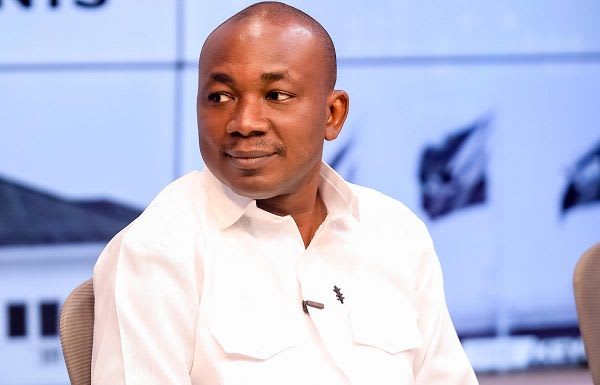
IMF Resident Representative in Ghana, Dr Adrian Alter, said sustaining the recovery will require continued policy discipline while creating enough room for the private sector to invest, expand and generate employment.
“I would say the key risk is policy complacency. That’s the number one risk. The private sector should be the one creating jobs and boosting growth,” Dr Alter said in an interview with Bernard Avle.
His comments come as Ghana attempts to consolidate recent macroeconomic gains following a difficult period of debt restructuring and fiscal adjustment.
Private Sector Credit Up 40%
There are signs of stronger activity in the private economy.
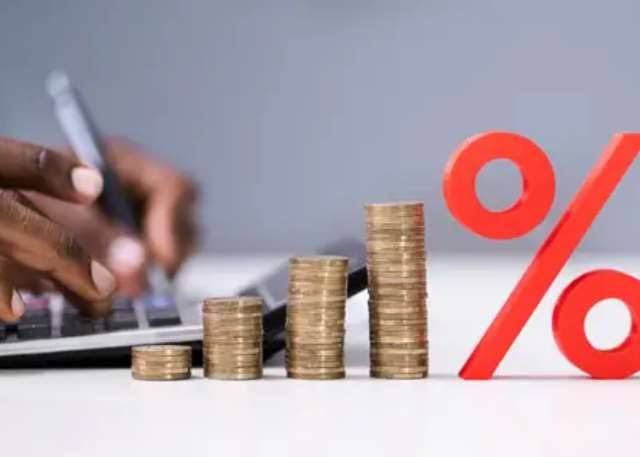
Dr Alter pointed to the latest Bank of Ghana statistics showing private sector credit growing by about 40% year on year, describing the increase as encouraging.
For the IMF, government’s role should be to maintain an environment in which businesses can take the lead in creating jobs and driving growth rather than allowing the state to become the main engine of employment.
“I would say that the recovery is sustainable if the reform momentum continues,” he said.
That condition is important. The Fund’s concern is that improving economic indicators could weaken the urgency for difficult reforms before the recovery is firmly established.
Gold Dependence Leaves Economy Exposed
External risks have not disappeared either.
Dr Alter singled out commodity prices, particularly gold and cocoa, as possible sources of pressure. Energy price movements could also affect Ghana’s external position and current account balance.
“Other risks obviously include weaker commodities, gold in particular, but also it could be cocoa prices, it could be energy prices, which are all jointly affecting the current account balance,” he said.
Ghana’s dependence on gold exports makes that exposure particularly significant.
“Gold, because of the concentration on the export side, gold prices are a relevant risk for the economy, and that’s why diversification is key,” Dr Alter said.
Geopolitical tensions present another problem. A deterioration in global conditions could tighten access to financing and drive energy prices higher, feeding fresh pressure into an economy still rebuilding its buffers.
IMF Pushes Diversification
Dr Alter said reducing those vulnerabilities will require Ghana to broaden its productive and export base.
He pointed to agro-processing, manufacturing and services as areas that could help reduce the country’s dependence on a narrow group of commodities.
Building stronger domestic and external economic buffers will also be necessary to absorb future shocks.
The IMF’s message is therefore less about whether Ghana has made progress and more about what happens next. The recovery can hold, Dr Alter argues, but only if policymakers resist the temptation to treat the recent gains as a finished job.
READ ALSO: OSP Assesses Extortion Allegations Against Afenyo-Markin