An Iranian drone strike on the Port of Salalah in Oman has hit oil storage facilities, marking the latest escalation in the ongoing regional conflict affecting global energy supply routes.
According to maritime security firm Ambrey and reports from Omani state media, fuel storage tanks at the port were damaged during the strike on Wednesday. Authorities confirmed that no merchant vessels operating near the port were harmed.
The attack represents the newest development in a widening campaign targeting oil infrastructure and energy logistics across the Middle East amid the ongoing conflict involving Iran, the United States and Israel.
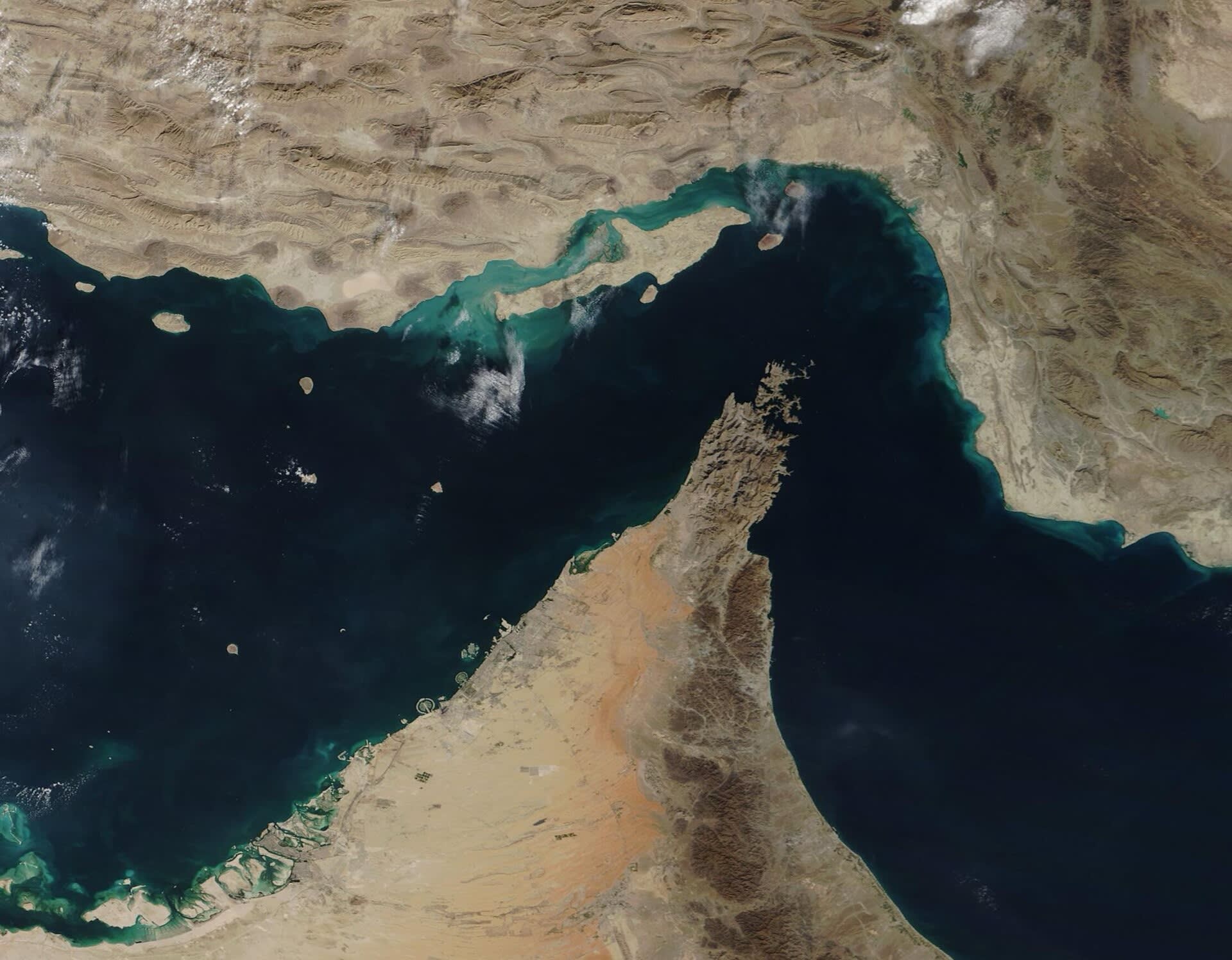
Salalah, situated on Oman’s southern coast along the Arabian Sea, has increasingly served as an alternative hub for oil tankers seeking to avoid the volatile Strait of Hormuz.
Concerns over expansion of conflict
Analysts say the strike signals a potential expansion of the conflict beyond the traditional Gulf chokepoint into alternative export routes used by global shipping and oil producers.
The Port of Salalah has gained strategic importance in recent years because it provides a safer route for vessels seeking to bypass the Strait of Hormuz, a narrow shipping channel through which a significant portion of the world’s oil supply passes.
The latest attack raises fears that energy infrastructure outside the immediate Gulf region could become new targets as hostilities intensify.
The strike in Salalah follows several similar incidents targeting oil and gas infrastructure since the conflict escalated in late February.
Earlier this month, drones struck a fuel storage tank at the Port of Duqm in Oman, another major energy logistics hub located outside the Strait of Hormuz.
Iran-linked attacks have also targeted Saudi Arabia’s Ras Tanura refinery, one of the world’s largest oil processing facilities. Operations at the site were briefly disrupted after drone debris ignited a fire.
Commercial ships also targeted
Iranian forces have also targeted commercial vessels navigating the Strait of Hormuz. The Islamic Revolutionary Guard Corps said the Thai-flagged bulk carrier Mayuree Naree was fired upon after “disregarding warnings and insistently attempting to illegally pass through the Strait of Hormuz.”
Another vessel, the Liberian-flagged Express Rome, was reportedly struck after ignoring similar warnings from Iranian naval forces.
Data from MarineTraffic indicated that both ships had been operating in the strait earlier in the day.
According to the UK Maritime Trade Operations (UKMTO), at least 13 vessels have been attacked across the Persian Gulf, the Strait of Hormuz and the Gulf of Oman since hostilities began on February 28 following U.S.-Israeli strikes on Iran.
Iran’s Khatam al-Anbiya military command earlier warned that Tehran “will never allow even a single liter of oil to pass through the Strait of Hormuz for the benefit of the United States, the Zionists, or their partners,” underscoring the growing threat to the region’s energy supply network.
READ ALSO: NPA Assures Public of Adequate Fuel Stocks in Ghana