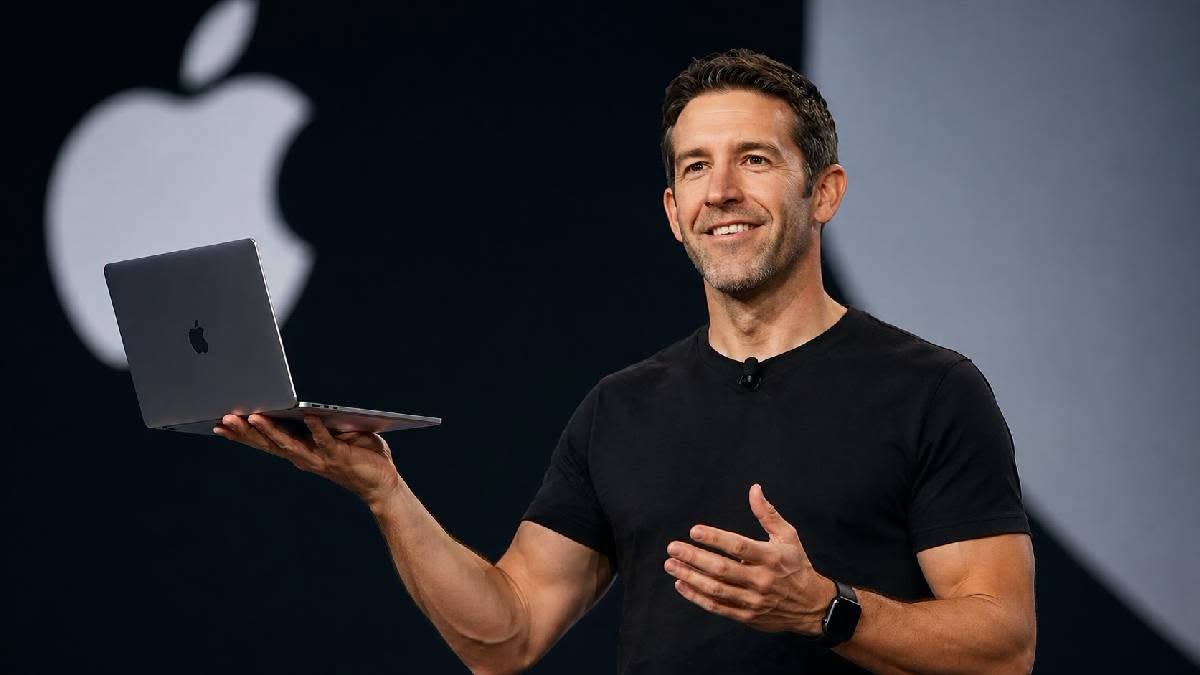
John Ternus takes over as Apple CEO on Tuesday, ending Tim Cook’s 15 year run at the top of one of the world’s most valuable technology companies.
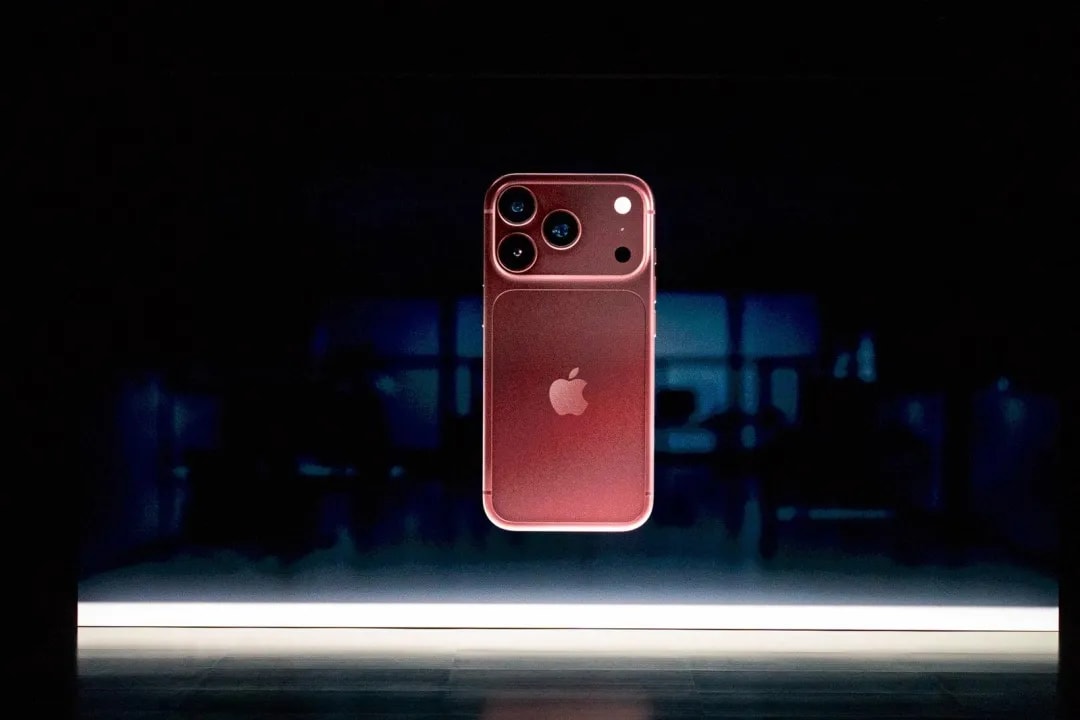
Under Cook, Apple’s value soared to about $4.6 trillion, powered largely by the continued success of the iPhone.
Ternus now inherits a company entering a very different technology cycle. Artificial intelligence has shaken the industry, creating pressure on Apple to show it can keep pace with rivals after a difficult start in the race.
AI Becomes First Major Test
Apple’s struggles in delivering promised artificial intelligence features have put its next phase of growth under scrutiny.
The company has unveiled new AI advances, including upgrades to its Siri assistant, while stressing privacy and practical everyday uses. But expectations remain high as competitors move aggressively to embed AI across their products and services.
For Ternus, the challenge will extend beyond his background in hardware engineering. He will have to help define how Apple competes in AI while preserving the product focus that has long shaped the company.
Trump, Trade and Supply Chains
The new CEO will also face a political and commercial balancing act.
Apple’s extensive manufacturing network in Asia has made supply chains particularly sensitive to trade disputes and tariffs. Cook cultivated a relationship with President Donald Trump while navigating those pressures.
Trump publicly praised Cook on Tuesday as the leadership transition unfolded.
Cook will remain at Apple as executive chairman and is widely expected to help preserve the relationship with Trump.
That leaves Ternus with a complicated inheritance: a giant built on the iPhone, a rapidly changing AI landscape and a global business exposed to politics far beyond Cupertino.
READ ALSO: Ghana's Inflation Could Hit 5% in August Over Fuel Price Pressures