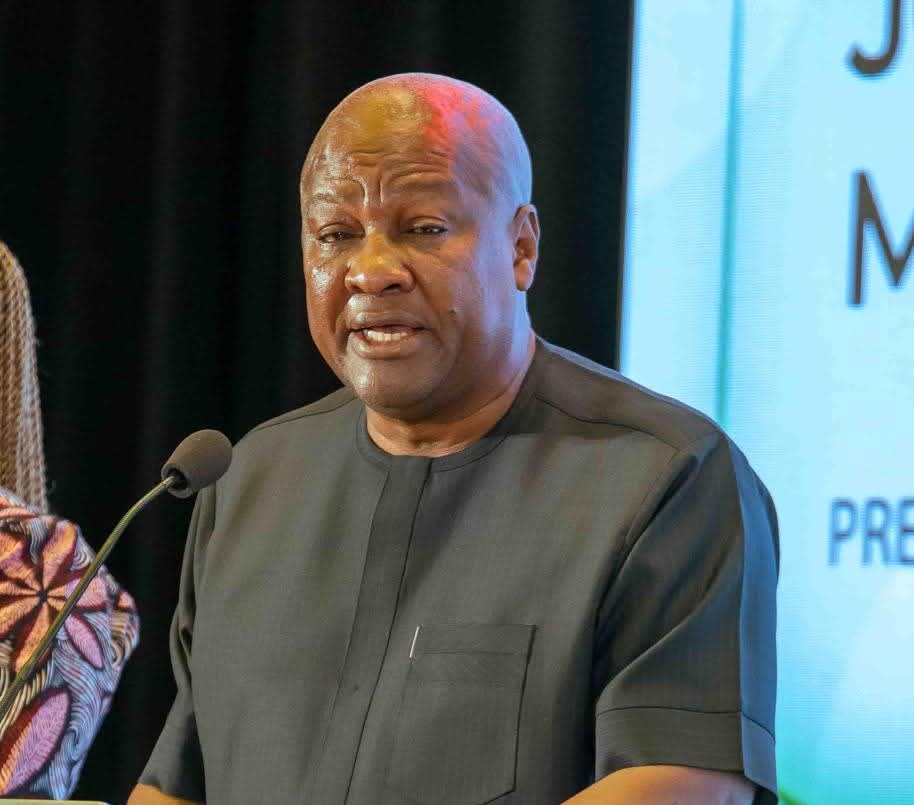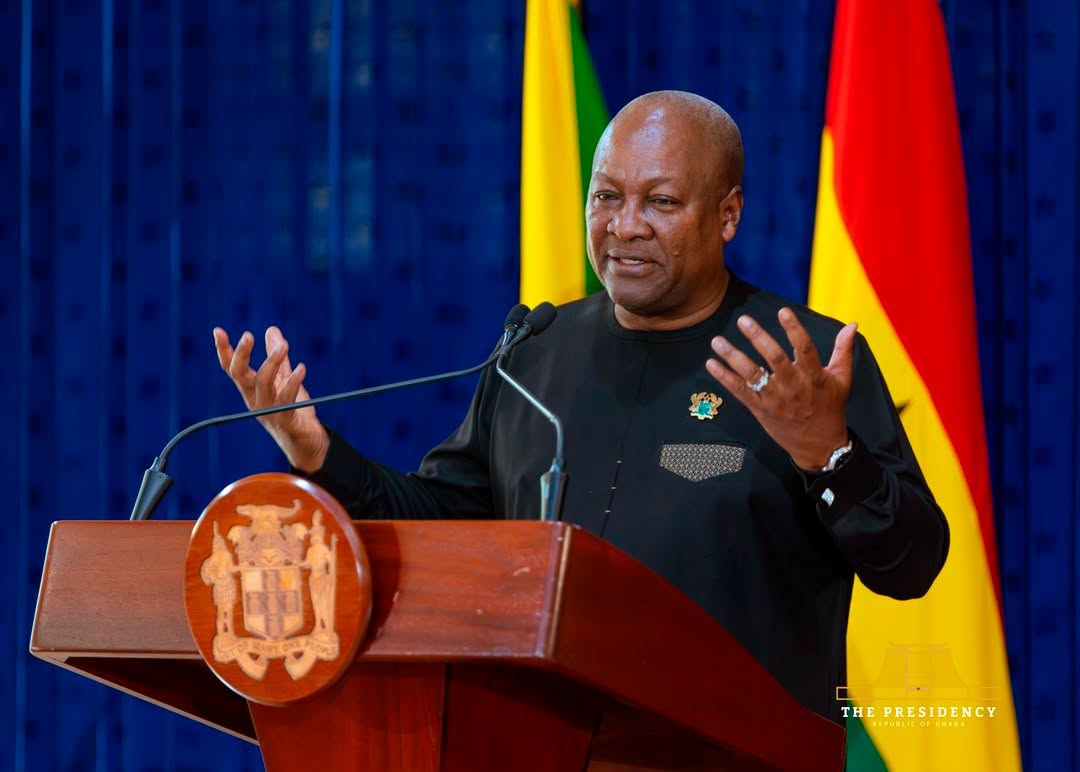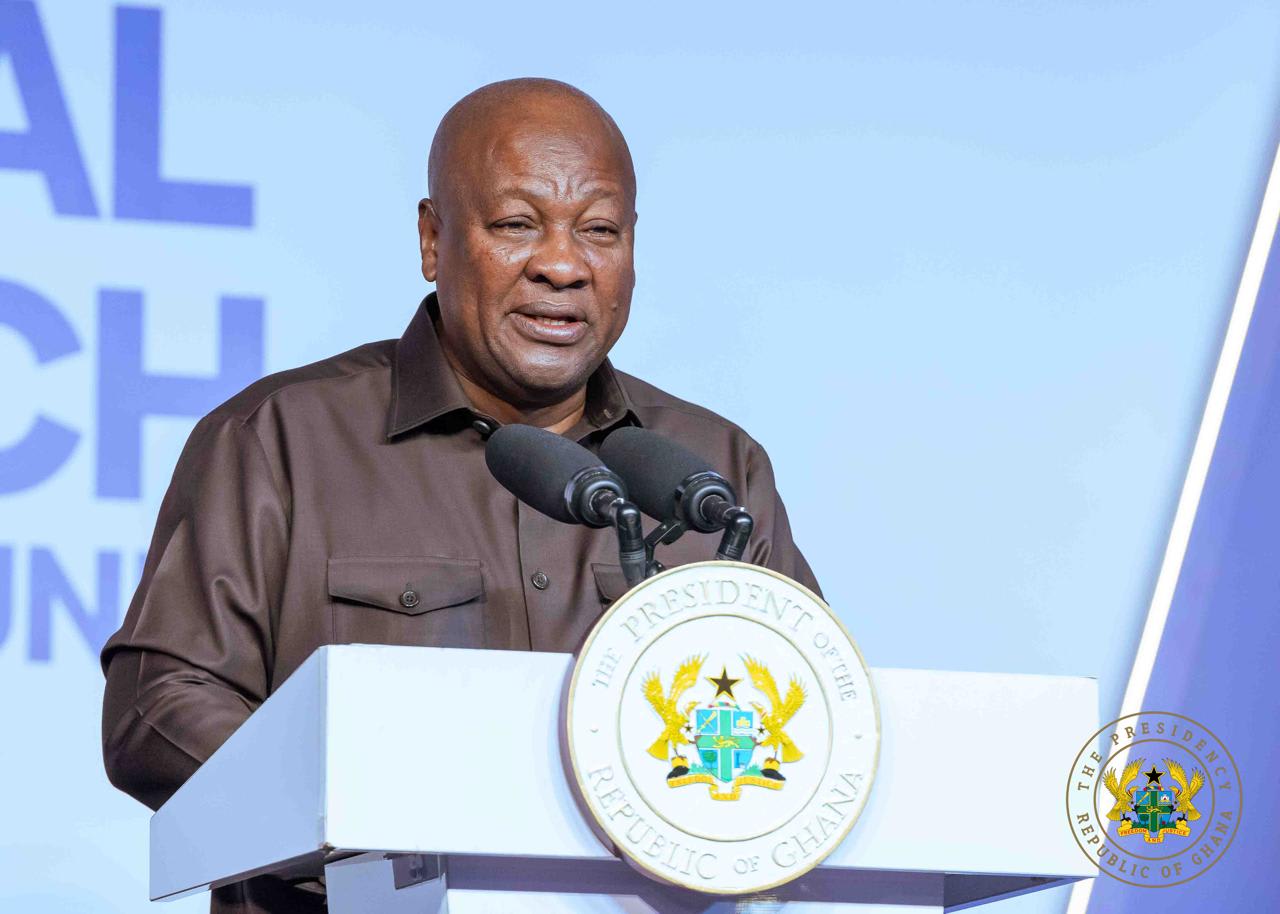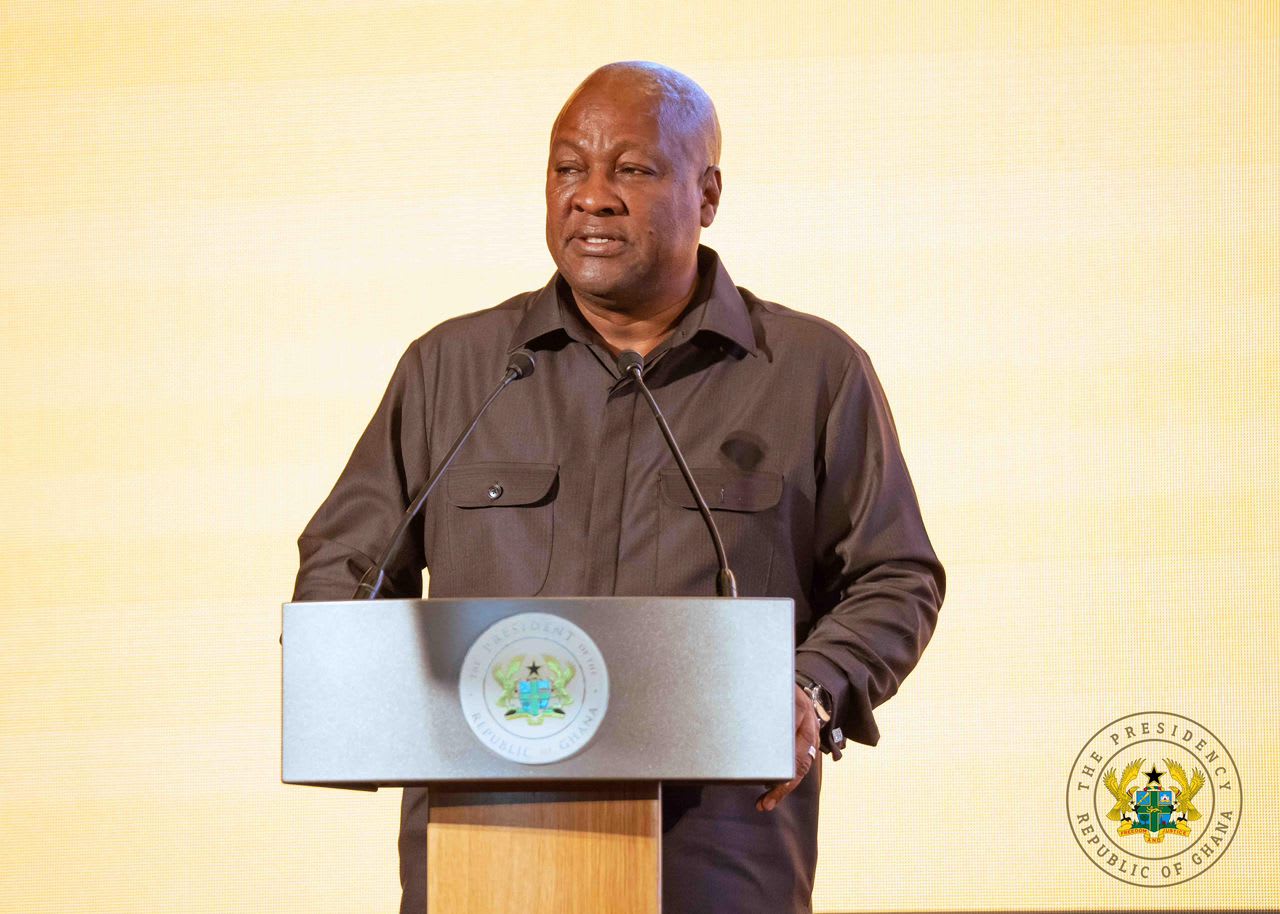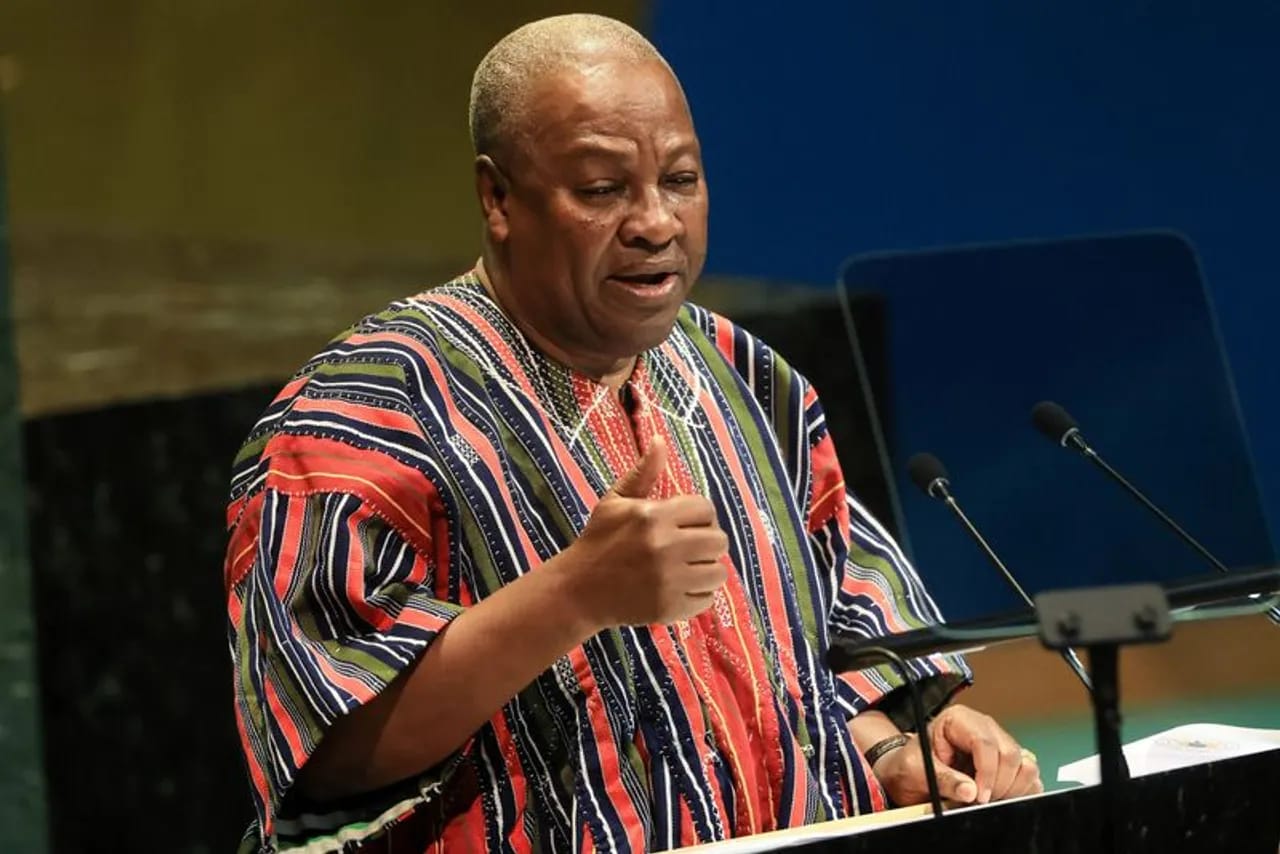
President John Dramani Mahama has called for a more inclusive and sustained global approach to reparatory justice, urging nations and institutions to move beyond recognition of historical injustices and commit to meaningful action.
Addressing participants at the Next Steps Conference on Reparatory Justice in Accra on Thursday, June 18, 2026, the President said the recent adoption of a United Nations resolution on slavery and its enduring legacy should be regarded as the beginning of a broader journey toward justice rather than a final achievement.
“The adoption of the resolution was never intended to mark the end of the journey,” Mahama told delegates. “It was intended to provide the foundation for a more meaningful process of engagement, reflection, and action.”
Expanding Global Participation
The President stressed that efforts to address the historical consequences of the transatlantic slave trade would only succeed if more countries and institutions joined the conversation.
According to him, reparatory justice should be built on dialogue and cooperation, even among nations that may hold differing interpretations of history, law, or politics.
“The pursuit of historical justice is not strengthened by narrowing the circle of participation. It is strengthened by expanding it,” he said.
Mahama noted that constructive engagement remains essential to advancing shared goals and ensuring that difficult historical issues are addressed collectively rather than avoided.
“It is strengthened when those who may approach these issues from different historical, political, or legal perspectives nevertheless choose dialogue over silence and engagement over distance.” - President Mahama
Legacy of Slavery Still Resonates
The President argued that acknowledging the injustices of slavery carries a responsibility to act on its lasting consequences.
“We are here because recognition creates responsibility, and because the enduring consequences of this history continue to demand thoughtful, coordinated, and sustained international engagement.” - President Mahama
Mahama pointed to Ghana’s castles, dungeons and former slave routes as powerful reminders of a history that linked Africa to the Americas and other parts of the world through the forced movement of enslaved Africans.
He noted that descendants of those affected by the slave trade now return to Ghana as scholars, leaders, entrepreneurs and citizens seeking to reconnect with their heritage.
The President also highlighted the experiences of enslaved women and girls, arguing that their stories have often been overlooked in historical accounts.
“Their suffering was often concealed from the official record, leaving them victims not only of the exploitation, but also of historical erasure,” he said.
The Next Steps Conference on Reparatory Justice has brought together heads of state, policymakers, academics and representatives of the African diaspora to explore strategies for advancing reparations and addressing the enduring impact of slavery across generations.
READ ALSO: Wole Soyinka Says Modern Slave Trade Still Exists in Africa, Calls for Urgent Action