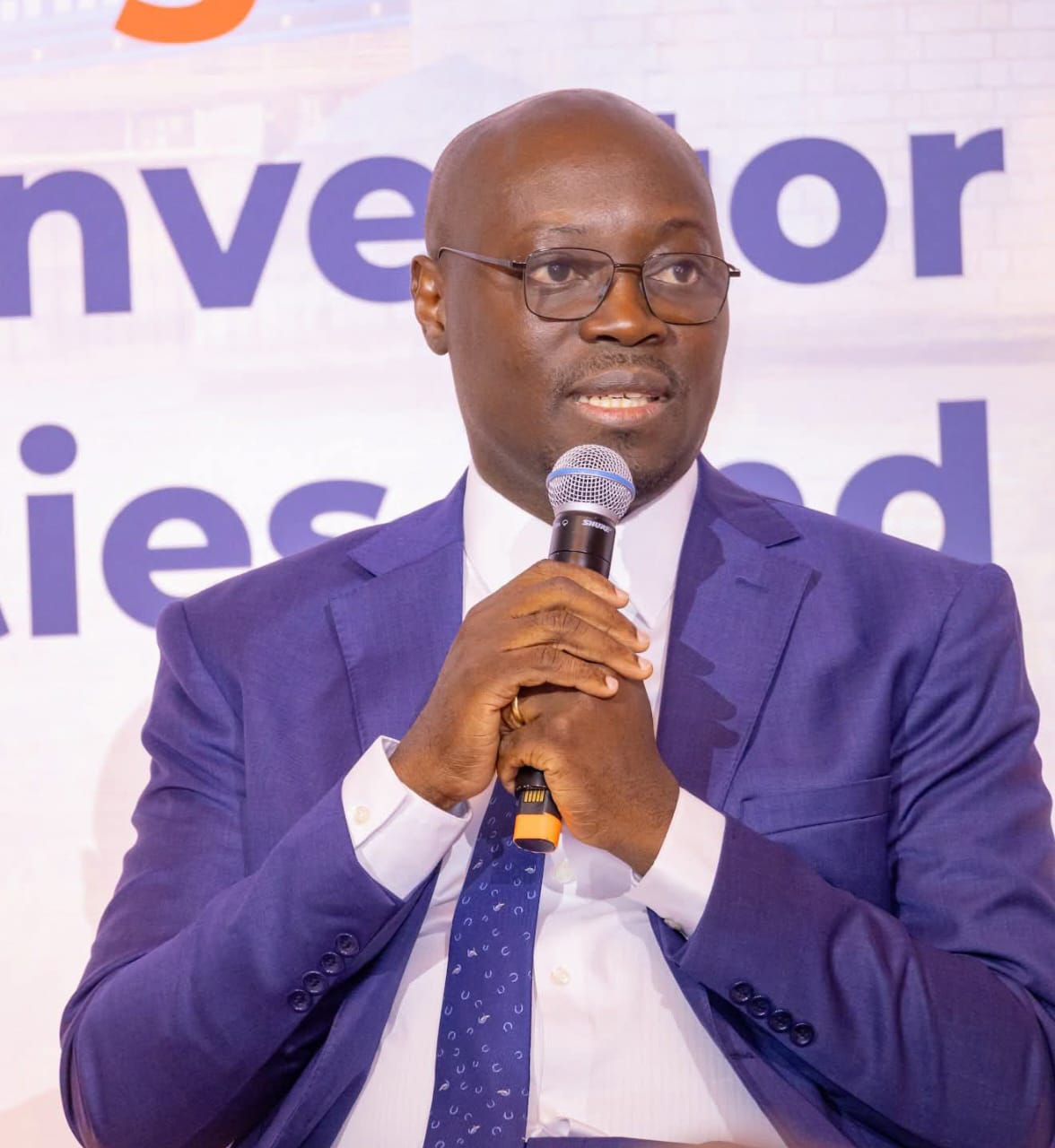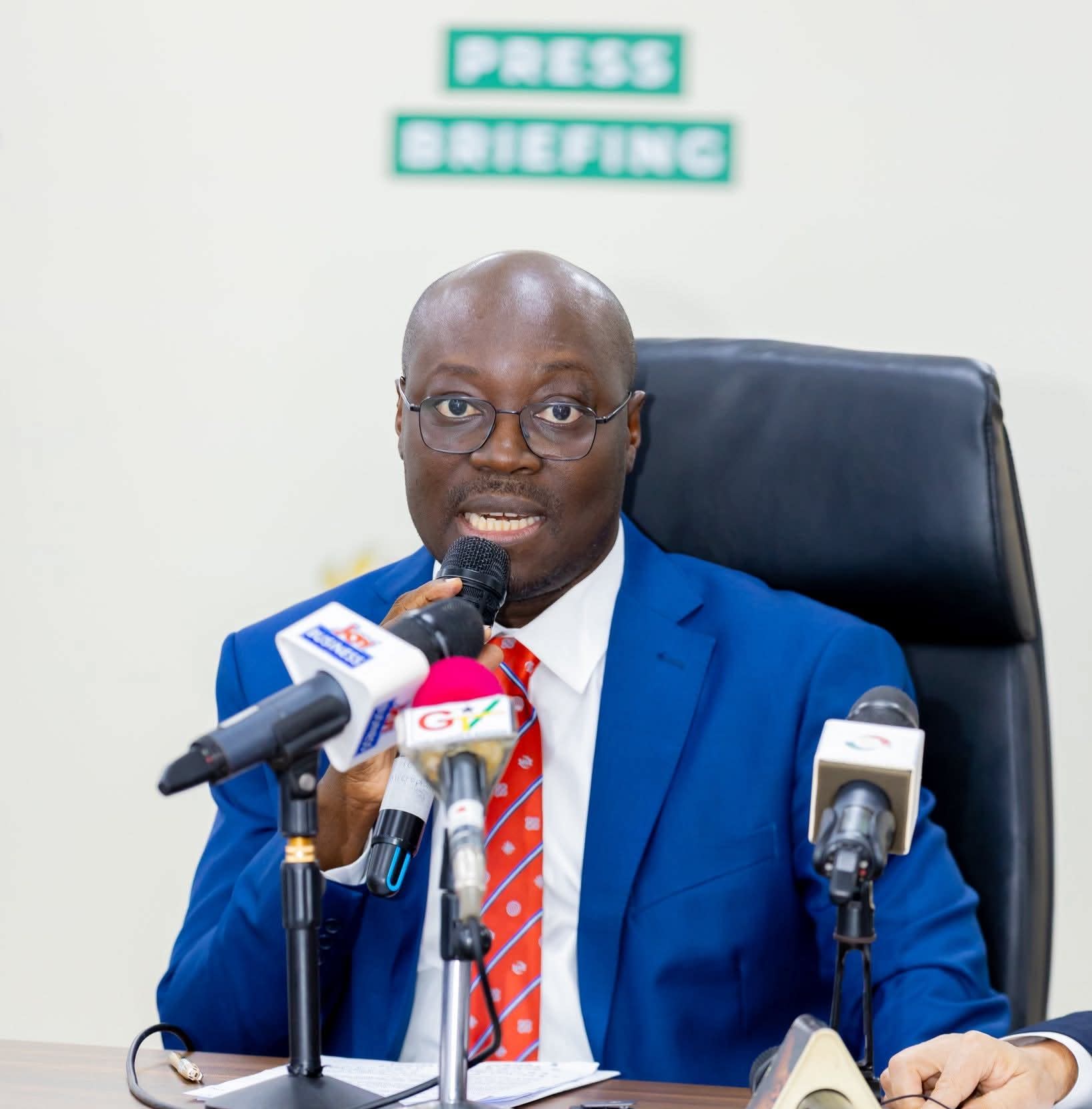
Ghana fiscal discipline will remain central to the government’s economic strategy as the country moves from crisis management towards durable growth, Finance Minister Dr Cassiel Ato Forson has told investors.
Dr Forson said recent improvements in inflation, currency stability, reserves and public finances should be treated as a base for deeper reform, not a reason to relax policy controls. His message was blunt: “We will not relent.”
The assurance followed an investor engagement at which participants expressed confidence in Ghana’s recovery. The government now has to prove that the gains can survive beyond the immediate adjustment period.
Stability is only the first test
Ghana’s economic picture has changed sharply from the period of soaring inflation, heavy pressure on the cedi and debt distress. Domestic and external debt restructuring has advanced, reserve buffers have strengthened and price growth has slowed considerably.
The International Monetary Fund completed the sixth and final review of Ghana’s Extended Credit Facility programme on July 27, allowing a final disbursement of about US$371 million. It also reviewed Ghana’s request for a 36 month, non financing Policy Coordination Instrument.
That shift matters. Ghana will still be assessed against reform commitments, but credibility must increasingly rest on domestic rules and institutions. An emergency programme cannot remain the country’s permanent enforcement mechanism.
Investors are watching execution
Dr Forson has previously told investors that Ghana’s improvements are “not cosmetic”, linking them to expenditure controls, tax administration changes and stronger public financial management.
Markets will want that evidence repeated across several budgets. They will examine whether revenue targets are met, public borrowing stays controlled and state owned enterprises stop producing unexpected liabilities for the Treasury.
Ghana’s record makes the scrutiny unavoidable. Past fiscal expansion has often been followed by rising debt, currency weakness and inflation.
The 2026 fiscal framework targets a primary surplus of 1.5 per cent of gross domestic product. It also emphasises commitment controls and a longer term reduction in the public debt burden.
Spending quality becomes the harder question
Fiscal discipline cannot simply mean cutting expenditure. Ghana still needs roads, dependable energy, health services, schools and stronger social protection. Youth unemployment remains stubborn, while businesses continue to complain about expensive credit and unreliable infrastructure.
The question is what government spends money on and whether the investment produces an economic return. Projects that reduce transport costs, improve power supply or expand exports can support growth without wrecking the budget, provided procurement and financing remain controlled.
Citizens expect lower inflation and a steadier cedi to reach their pockets through jobs, better incomes and improved services. Investors want sustainable debt and predictable policy. Government has to answer both. That is where the political strain will surface.
Private capital must carry more weight
Public finances alone cannot meet Ghana’s development needs. Manufacturing, agribusiness, mining, renewable energy, technology and financial services will require long term domestic and foreign capital.
Yet investors who absorbed losses during Ghana’s debt restructuring are unlikely to return simply because the headline indicators look better. They will demand a longer record of consistent policy and protection against another cycle of excessive borrowing.
Premature reliance on expensive international borrowing could weaken the progress already made. Rebuilding buffers while directing investment into productive sectors offers a safer path.
Confidence must be earned repeatedly
External shocks, weaker commodity prices and demands for additional public spending could test the government’s resolve. Any revenue shortfall would narrow the room available for investment and social programmes.
Dr Forson’s pledge carries weight, but the final verdict will not come from an investor meeting. It will come from budget execution, debt management, spending choices and the government’s willingness to hold its line when discipline becomes politically uncomfortable.
Ghana has regained a measure of stability. Turning that into lasting investor confidence is the tougher job, and markets will be watching every decision.
READ ALSO: Ghana Targets 470,000 Households in LEAP Expansion, but IMF Warns of Coverage Deficits