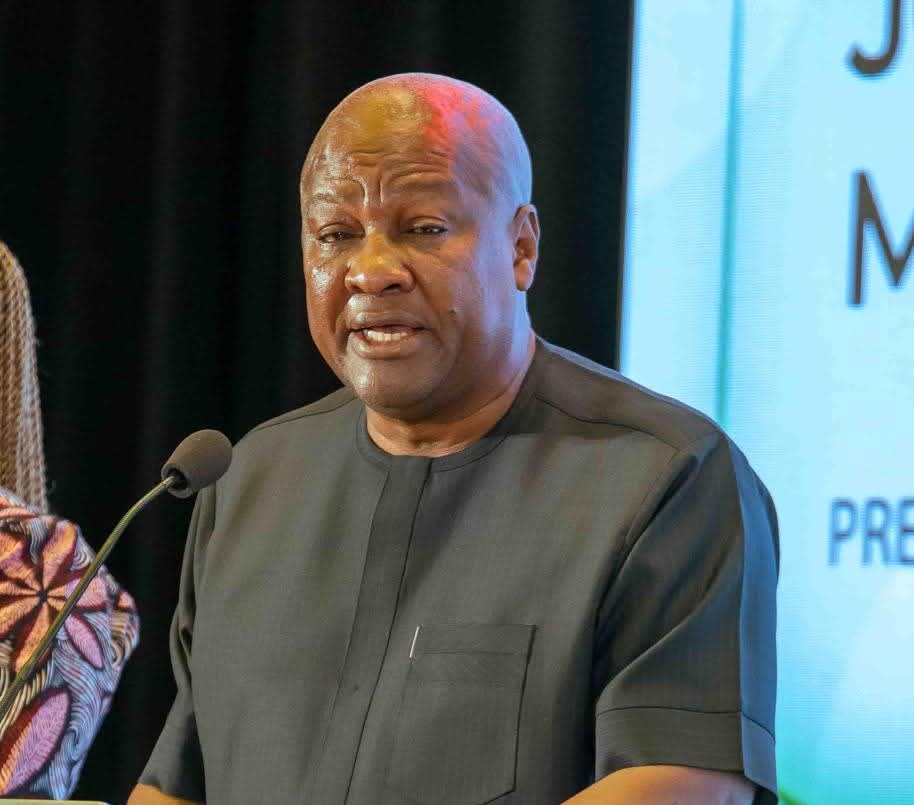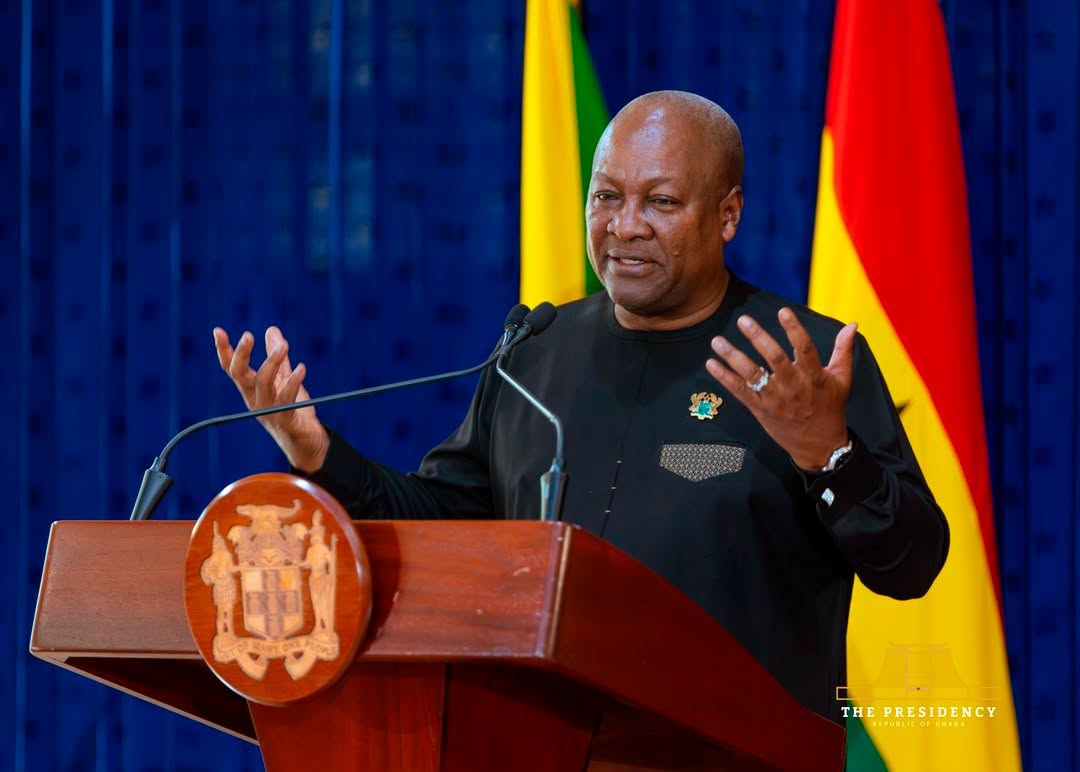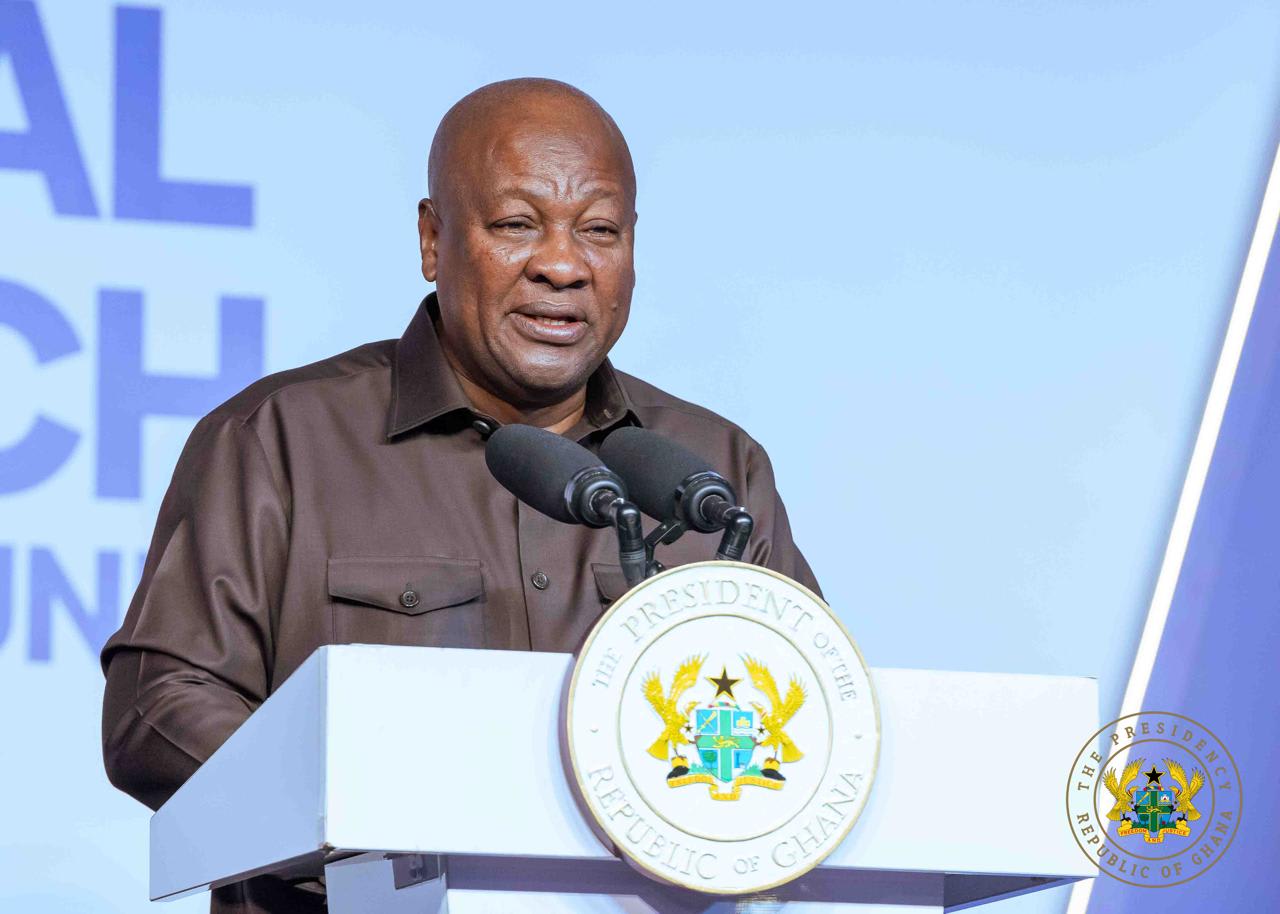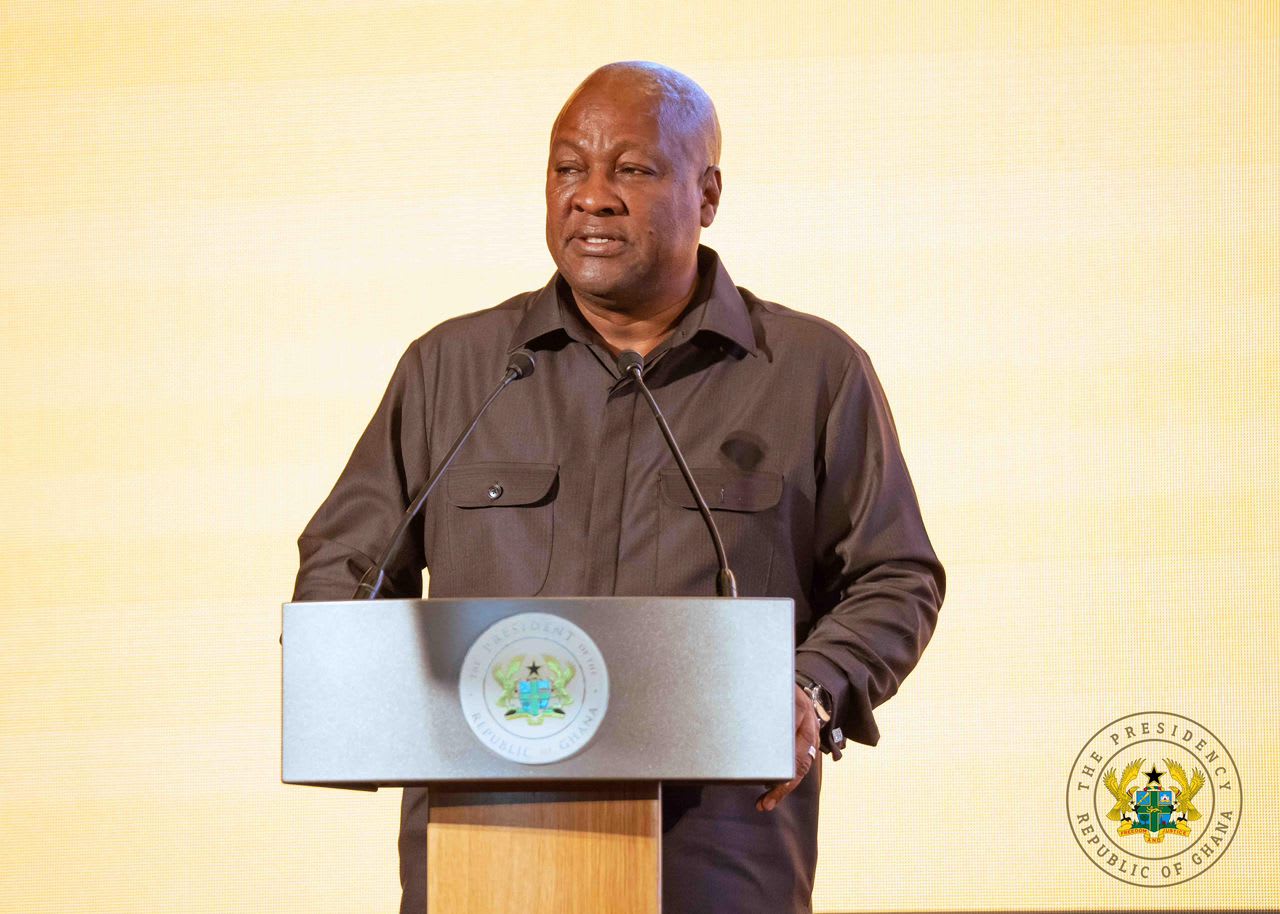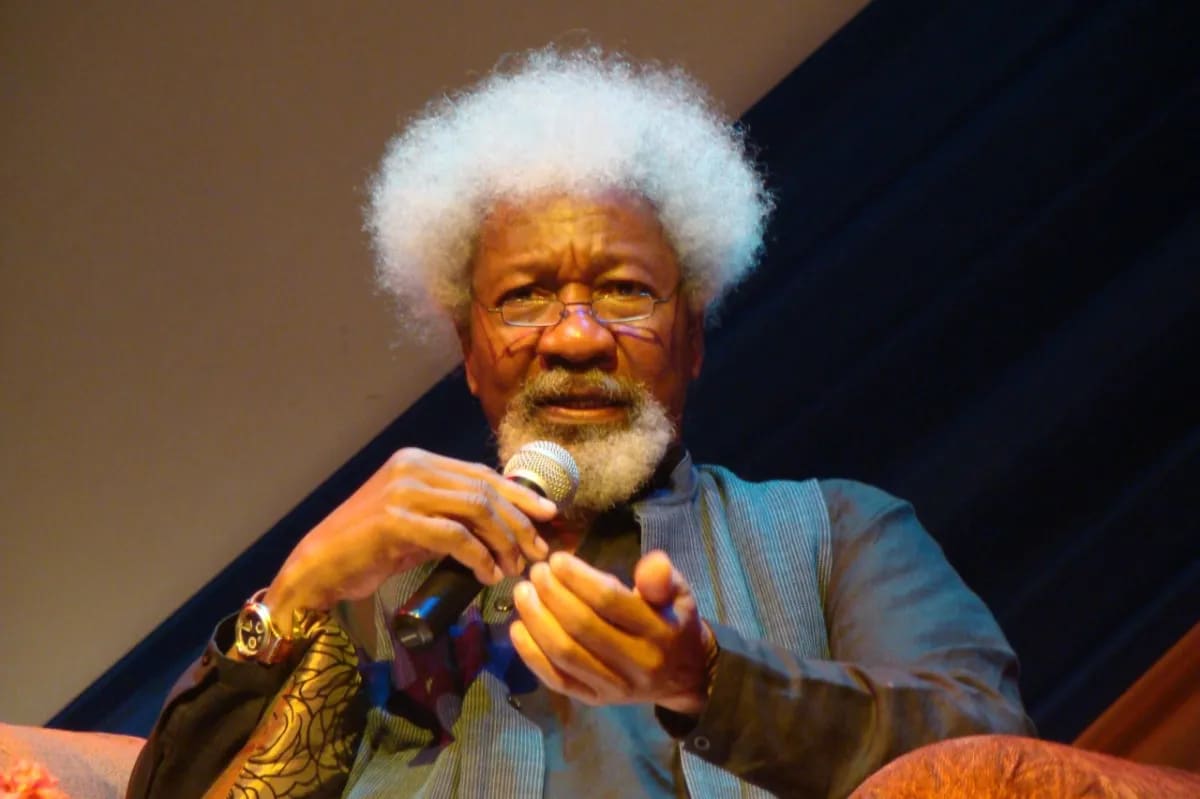
Nobel laureate and acclaimed Nigerian playwright Wole Soyinka has warned that modern forms of slavery continue to thrive across Africa, arguing that the trafficking and exploitation of children and young people remain a troubling reality despite the abolition of the transatlantic slave trade.
Speaking at the opening of the Next Steps Conference on Reparatory Justice in Accra on Thursday, June 18, 2026, Prof. Soyinka urged participants to broaden discussions on reparations to include present-day human trafficking and exploitation.
Addressing heads of state, policymakers, scholars and activists gathered for the conference, Soyinka said the persistence of human trafficking on the continent demonstrates that slavery has not entirely disappeared.
“That sector which agitates me most, you have what I call the conglomeratives of perpetual iniquity,” he said. “I refer to the extant slave markets which still exist in this country, on this continent.”
The renowned literary figure pointed to the kidnapping of schoolchildren and young people who are subsequently trafficked through organised networks operating across the region.
“I refer to the kidnapping of school children who were sent to these institutions of learning and who end up being kidnapped because there are ready markets for them.” - Wole Soyinka
Rescue Efforts and Human Cost
Drawing on experiences from Nigeria, Soyinka revealed that authorities have undertaken rescue operations to retrieve victims from trafficking networks.
According to him, some victims have been flown back home through special rescue missions coordinated by government agencies.
“If you make inquiries from Nigeria, where I come from, from the Department of the Diaspora, you will learn of even rescue planes, chartered planes, which have managed to retrieve nationals from the slave markets and brought them back to Nigeria.” - Wole Soyinka
Soyinka described the emotional scenes that often accompany the return of rescued victims, noting that many kneel and kiss the ground upon arriving home after enduring traumatic experiences.
Call for Accountability
The Nobel Prize winner expressed particular concern about children and youth who continue to be targeted by traffickers.
“When I addressed the United Nations last year, I made a point of telling my audience that the slave trade is not over, but it is indeed very active,” he said.
Soyinka also criticised nations that oppose calls for reparatory justice, arguing that contemporary forms of exploitation reinforce the need for historical accountability and collective action.
The Next Steps Conference on Reparatory Justice brought together international leaders and advocates to examine pathways for advancing reparations related to the transatlantic slave trade and its enduring impact.
Soyinka’s remarks added urgency to the discussions, highlighting the need to confront both historical injustices and modern forms of human exploitation.
READ ALSO: Vice President Jane Opoku-Agyemang Rallies Black Stars Ahead of FIFA World Cup Opener