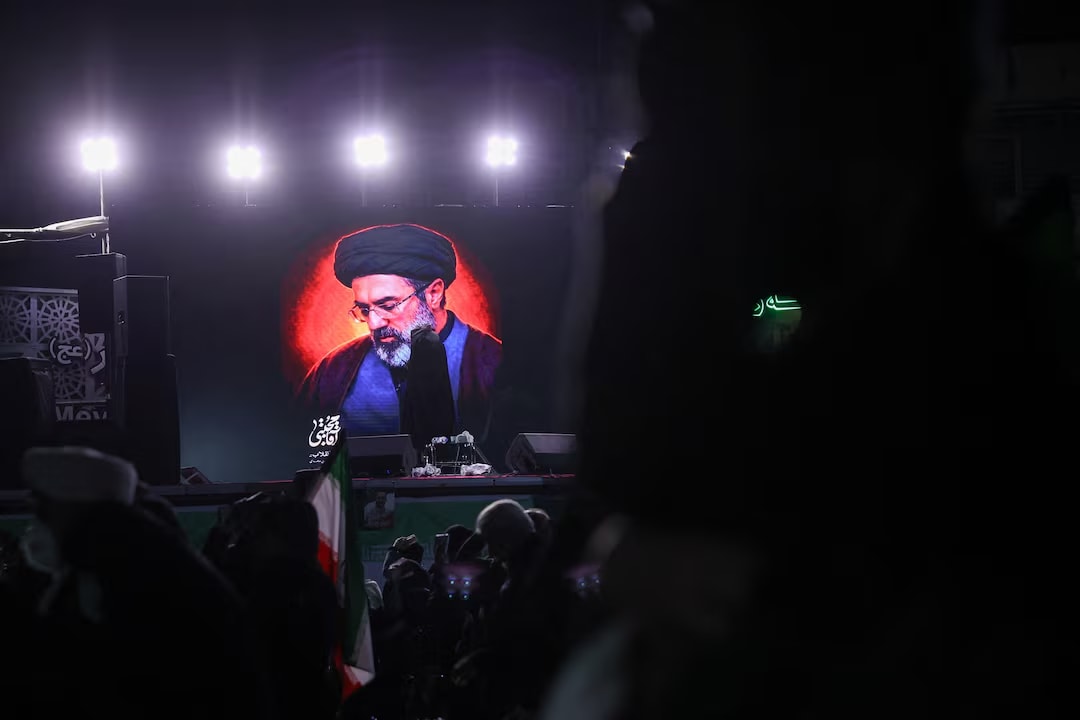
Iran has named Mojtaba Khamenei supreme leader, succeeding his father Ali Khamenei, as the country faces an intensifying conflict with the United States and Israel that is already rattling global energy markets and financial systems.
The appointment, announced Monday following a vote by the Assembly of Experts, places Mojtaba Khamenei at the helm of the Islamic Republic with sweeping authority over political, military and religious affairs. His father, Supreme Leader Ali Khamenei, was killed during one of the initial strikes launched against Iran more than a week ago.
Iranian institutions and political leaders swiftly declared loyalty to the new supreme leader as the war entered its tenth day. A statement from the country’s defence council pledged unwavering support, declaring: “We will obey the commander-in-chief until the last drop of our blood.”
Senior cleric Ayatollah Sadeq Amoli-Larijani also endorsed the appointment, describing Mojtaba Khamenei’s rise as “a balm for the spiritual suffering of our people and an emphasis on the need to continue the luminous path of the late Imam.”
Global tensions and market shocks intensify
Mojtaba Khamenei, a cleric believed to wield strong influence within Iran’s security establishment and economic networks, had long been viewed as a leading candidate to succeed his father.
His appointment signals that Iran’s conservative leadership remains firmly in control during one of the country’s most volatile moments in recent history.
The move also comes amid heightened international tension. U.S. President Donald Trump had previously rejected Mojtaba as a potential successor and suggested Washington should have a role in the leadership transition. “If he doesn’t get approval from us, he’s not going to last long,” Trump told ABC News.
Meanwhile, military exchanges across the Middle East continue to escalate. Israeli forces launched strikes targeting infrastructure linked to Hezbollah in Beirut and other locations in Iran, while Iranian-backed forces reportedly carried out rocket and drone attacks on U.S. and allied targets in Iraq and the Gulf region.
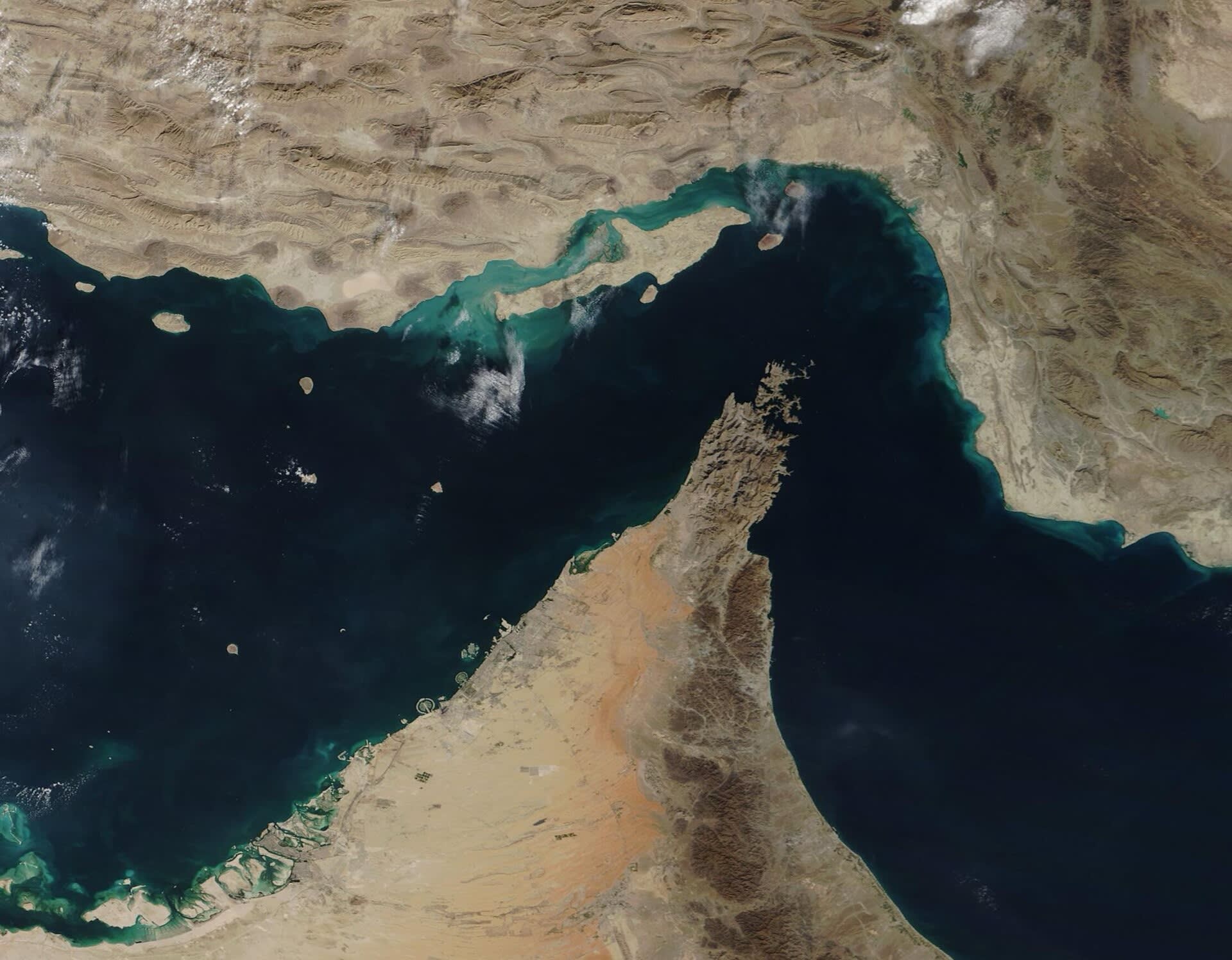
In Bahrain, an Iranian drone strike hit an area near the Bapco oil refinery, causing damage and injuries and prompting the company to declare force majeure on operations, adding to concerns about regional energy supplies.
Calls for peace as humanitarian toll rises
Amid the intensifying conflict, global leaders have expressed concern about the growing humanitarian and geopolitical consequences.
Pope Leo warned of “a tragedy of enormous proportions” caused by what he described as a “widespread climate of hatred and fear” across the region.
“Let us raise our humble prayer to the Lord that the roar of bombs may cease, that weapons may fall silent,” he said during Sunday’s Angelus prayer at St. Peter’s Square.
According to Iran’s ambassador to the United Nations, the ongoing strikes have killed at least 1,332 Iranian civilians and wounded thousands more since hostilities began. The conflict has also claimed the lives of soldiers on both sides and continues to threaten wider regional stability.
READ ALSO: Lordina Mahama Urges Action for Gender Equality on International Women’s Day