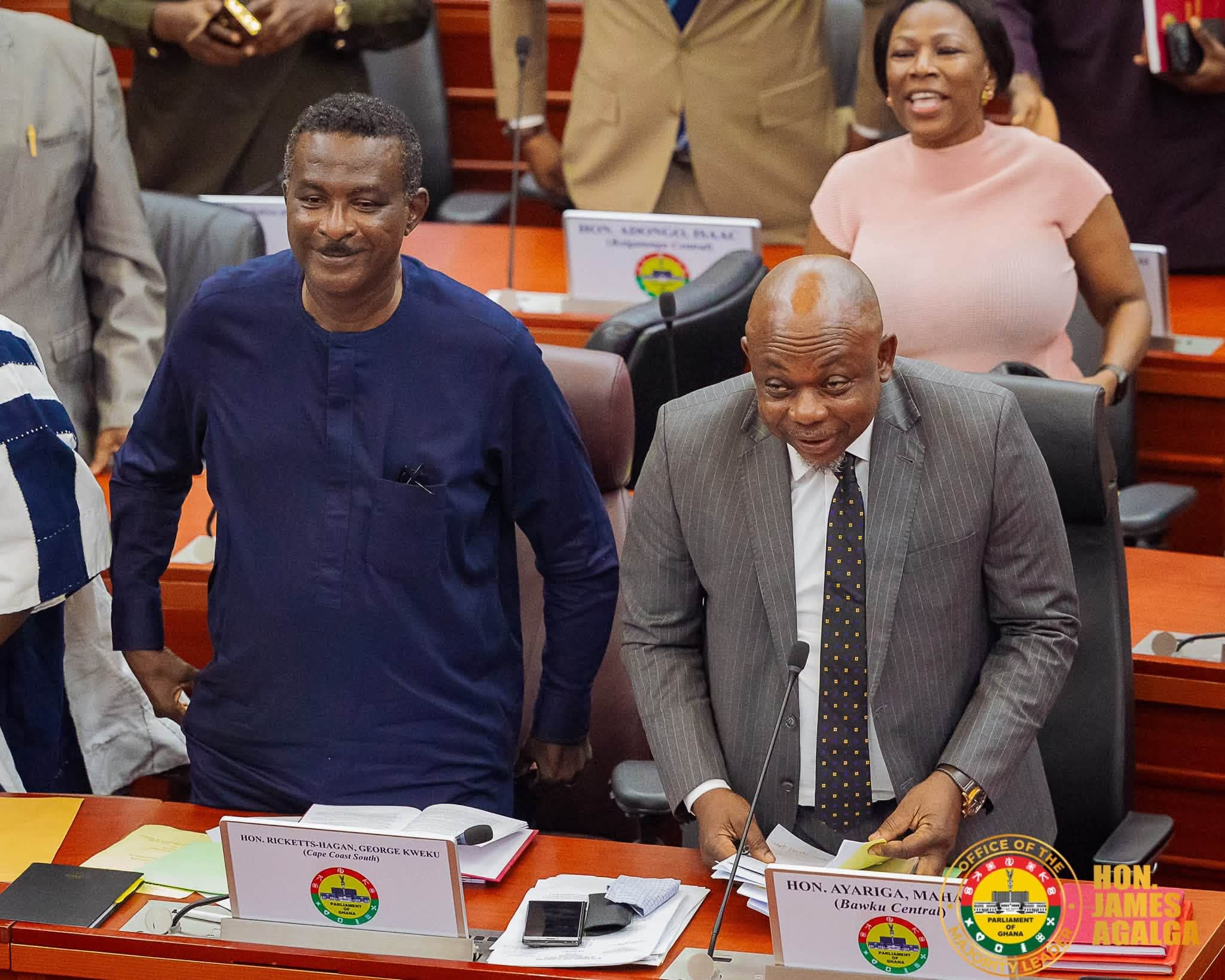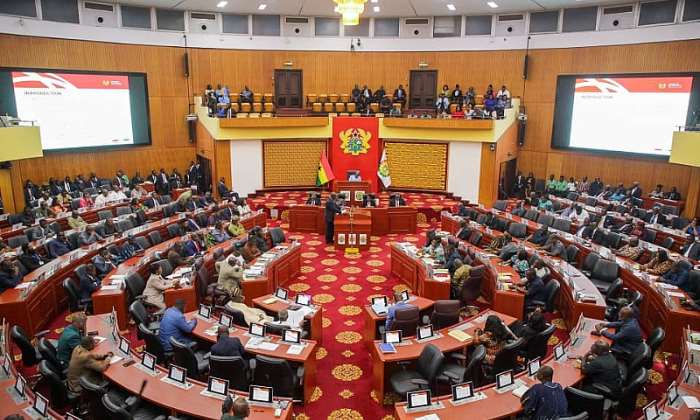
Ghana’s Parliament is expected to adjourn today for the Easter break, drawing the curtain on the First Meeting of the Second Session of the 9th Parliament after nearly two months of legislative business.
The session, which began on February 3, 2026, was shaped by intense policy discussions, high-profile debates and the passage of several major bills touching on education, governance, mining and economic reform.
The decision means lawmakers will temporarily step away from the chamber after a period many observers consider one of the most consequential in recent months.
A defining moment of the session was President John Dramani Mahama’s State of the Nation Address, which set the policy direction for the House and sparked extensive debate among both Majority and Minority members.
That address laid the foundation for a legislative agenda that would later produce significant reforms across multiple sectors, as Parliament moved to process bills tied to the government’s wider policy reset.
Major bills dominate the session
Among the headline outcomes was the passage of the Legal Education Bill, a reform that effectively ends the long-standing monopoly of the Ghana School of Law over professional legal training. Under the new framework, accredited universities will now be able to offer legal education.
Parliament also ratified a 15-year lithium mining agreement between the government and Barari DV Ghana Limited for operations at Ewoyaa in the Central Region, signaling Ghana’s growing strategic interest in critical minerals.
In the education sector, lawmakers approved the Education Regulatory Bodies (Amendment) Bill, aimed at easing accreditation pathways for private tertiary institutions.
The House further passed the Value for Money Office Bill, which seeks to strengthen oversight of public spending and procurement. However, the legislation generated controversy, with the Minority warning it could become “a breeding ground for corruption.”
Another major milestone was the approval of the 24-Hour Economy Authority Bill, one of the government’s flagship policy measures, which will establish a central coordinating body for the initiative.
With the break now imminent, Parliament is expected to reconvene after Easter to continue its legislative work.
For now, the adjournment marks the end of a session defined by reform-heavy lawmaking and a broad attempt to reshape policy in key national sectors.
READ ALSO: Vice President Pushes GEXIM to Drive Value Addition and Export Competitiveness