Bank of Ghana Warns Middle East Tensions Could Threaten Disinflation Gains
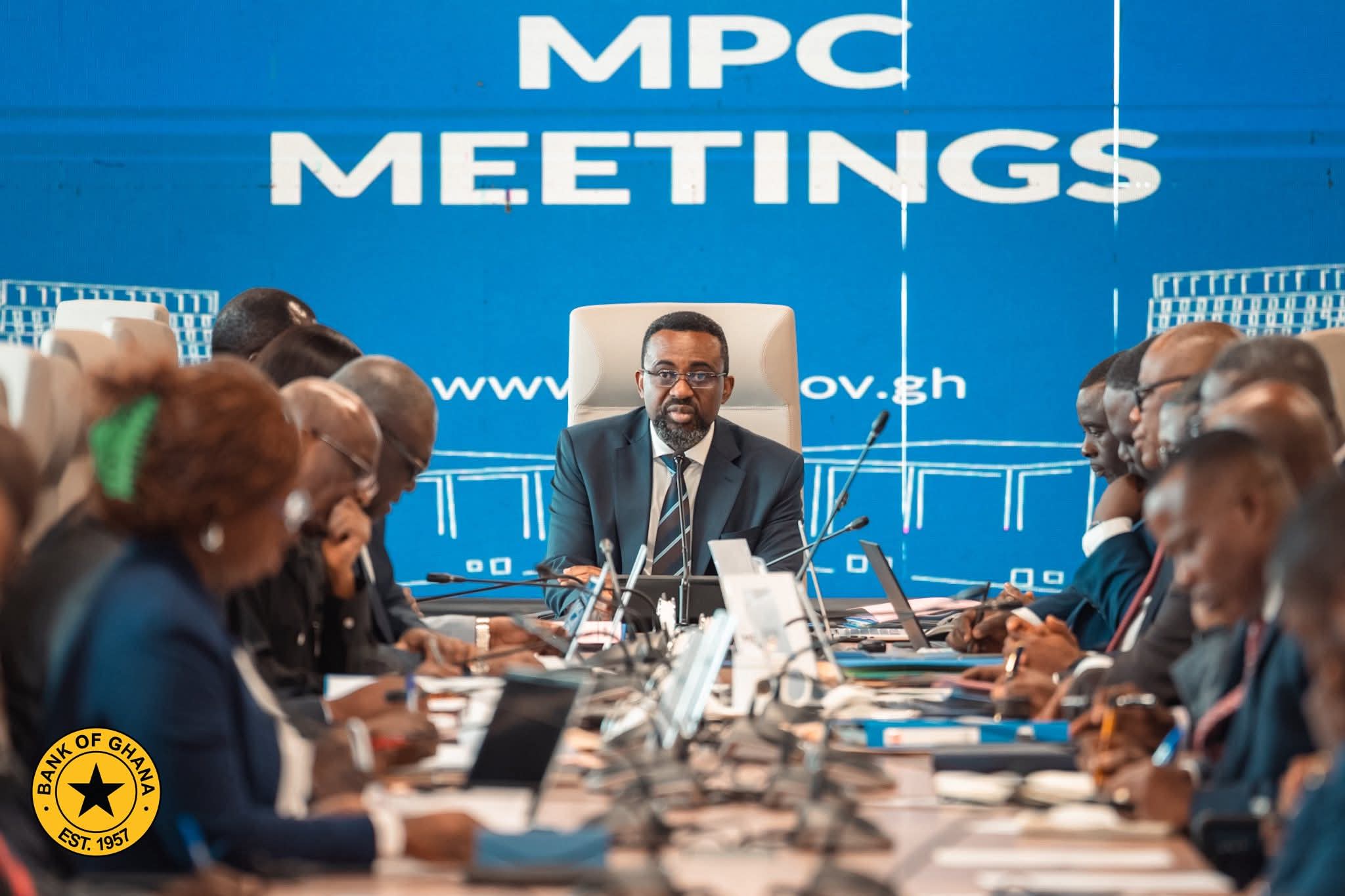
Bank of Ghana Governor Johnson Asiama warns that Middle East tensions and rising oil prices could threaten Ghana’s disinflation progress.

Bank of Ghana Governor Johnson Asiama warns that Middle East tensions and rising oil prices could threaten Ghana’s disinflation progress.

SEC Ghana admits 11 companies into its virtual asset regulatory sandbox to test fintech and crypto-related services under the Virtual Asset Service Providers Act, 2025.

Finance Minister announces a ban on land transit of selected goods through Ghana’s borders to curb revenue leakages and strengthen customs control.

The Bank of Ghana 14-day bill auction mops up GH¢13.9 billion as part of liquidity tightening measures to sustain disinflation, with yields settling at 11.90%.

Ghana’s Finance Ministry has lifted DDEP bond issuance restrictions, allowing new longer-term domestic bonds as investor confidence and macroeconomic conditions improve.

President Mahama says the Feed Ghana Programme is reducing food inflation, boosting production, and strengthening food security under Ghana’s Agriculture for Economic Transformation Agenda.

New gold-backed framework targets stronger external buffers.

Ghana launches its first national reserve policy, GANRAP, targeting 15 months of import cover by 2028 through gold-backed accumulation and structural reforms.

Deputy Finance Minister Thomas Nyarko Ampem says government could consider reducing some taxes and import duties if it succeeds in plugging revenue leakages, as a recent customs enforcement operation raises fresh concerns over compliance and fairness in the tax system.

Ghana’s public debt declined sharply between 2024 and 2025, signaling a significant shift in fiscal stability as inflation and deficit levels also improved.

Government settles latest interest payment under its domestic debt exchange programme as authorities seek to stabilize markets and restore investor trust.

Ghana’s Government Statistician says producer prices rose 3.3% month-on-month in January 2026, a sign that short-term cost pressures are strengthening even as year-on-year producer inflation remains moderate, urging consumers, firms and policymakers to avoid overreacting.