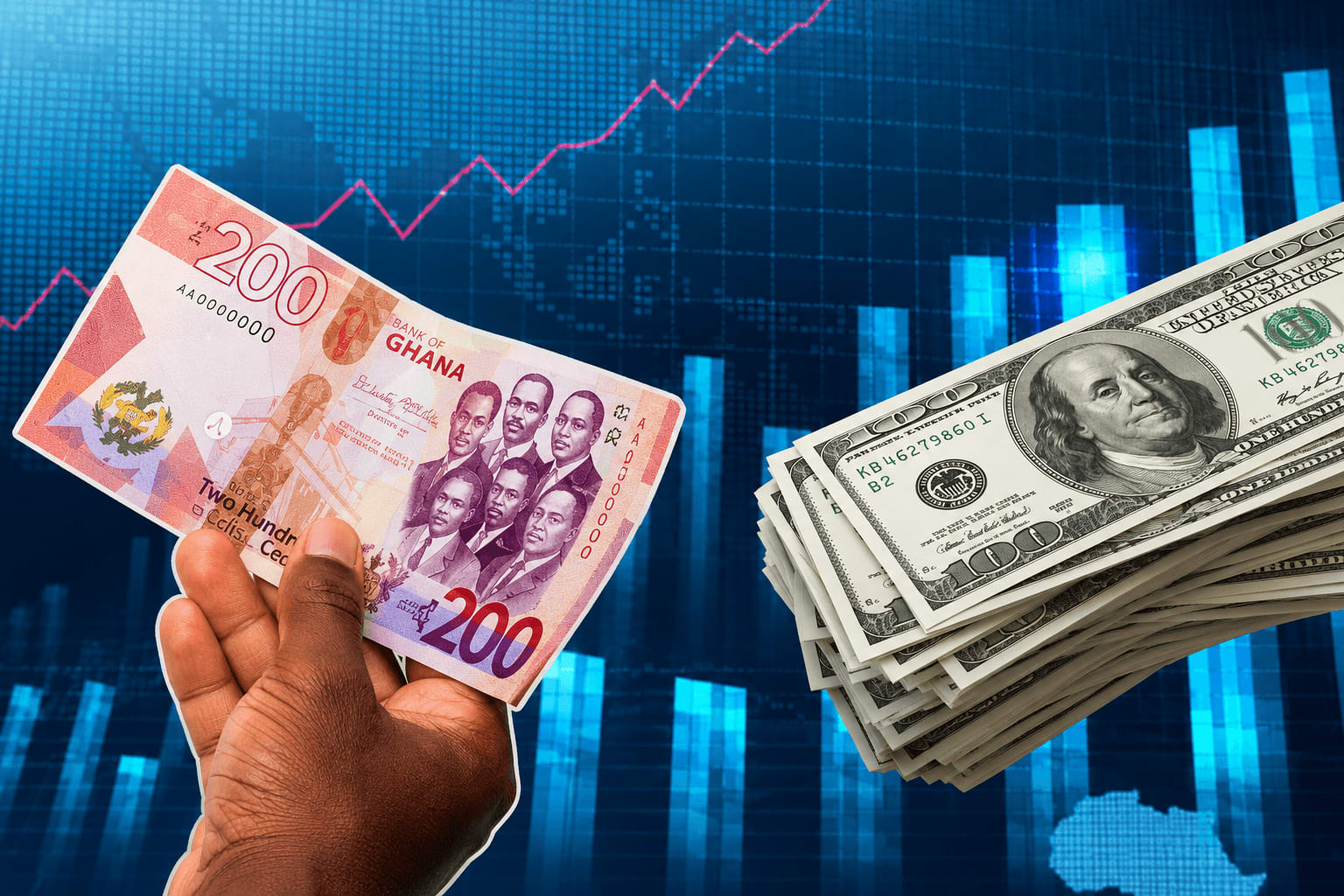
The Bank of Ghana FX intervention has exceeded US$8.2 billion since January 2026 as the central bank steps up dollar sales to improve market liquidity and cushion the cedi against renewed pressure.
Data compiled from the Bank’s foreign exchange auction calendars and market communications show that about US$7.45 billion was sold through the FX Intermediation Programme between January and July.
The central bank also supplied about US$811 million through its FX Intervention Programme between January and June.
Dollar sales could approach $9.2bn
The intervention could increase further in August.
The Bank of Ghana has indicated plans to sell up to US$1 billion through its FX Intermediation Programme during the month. If the full amount is deployed, total support could approach US$9.2 billion by the end of August.
The FX Intermediation Programme is intended to improve dollar liquidity and contain excessive volatility when market conditions require intervention. It is also closely connected to activities under the Domestic Gold Purchase Programme.
Cedi faces fresh pressure
The scale of the intervention comes as the cedi loses ground against the US dollar.
The Bank of Ghana put the cedi’s depreciation at 10.61% as of the end of July, raising questions about the strength of demand for foreign currency despite the substantial dollar supply from the central bank.
Some market participants believe the currency could have faced even stronger pressure without the interventions.
Information gathered from commercial banks also points to sustained demand for dollars from businesses.
Energy sector operators have been identified as a major source of demand, with companies requiring foreign exchange to finance crude oil imports, finished petroleum products and payments to power producers.
Others have pointed to a broader imbalance between available dollar supply and the foreign exchange needs of businesses.
Reserves under pressure
The interventions are taking place against a backdrop of declining international reserves, which recent Bank of Ghana data put at a little over US$12 billion.
Despite the pressure, the central bank has sought to reassure businesses that the latest currency movements should not trigger panic.
The Bank has described the pressures as temporary and maintained that it retains the capacity to intervene when necessary.
It has also stressed that maintaining adequate foreign exchange liquidity is important to ensure critical imports continue without disruption.
For now, the size of the central bank’s dollar sales shows the extent to which authorities are leaning on the foreign exchange market to manage pressure on the cedi, even as underlying demand for dollars remains strong.
READ ALSO: GOLDBOD Losses: Abena Osei Asare Demands Probe into Reported $1.7bn Loss