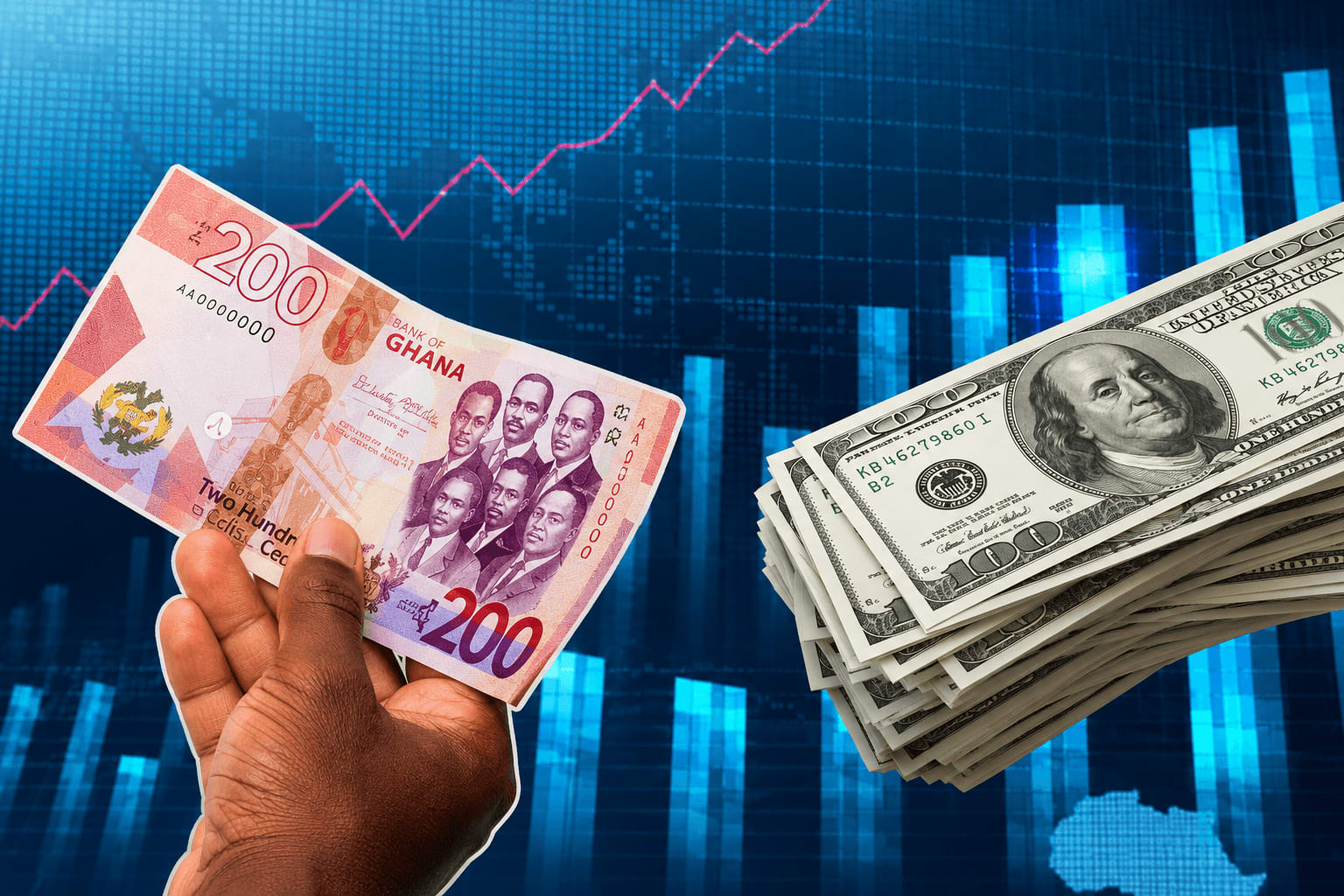
The Monetary Policy Rate will remain at 14 percent after the Bank of Ghana's Monetary Policy Committee (MPC) voted unanimously to hold its benchmark rate, opting for caution as rising geopolitical tensions and renewed inflation risks cloud the global economic outlook.
The decision, announced on Wednesday at the end of the MPC's 131st regular meeting in Accra, leaves the policy rate unchanged despite strong domestic economic growth and easing borrowing costs.
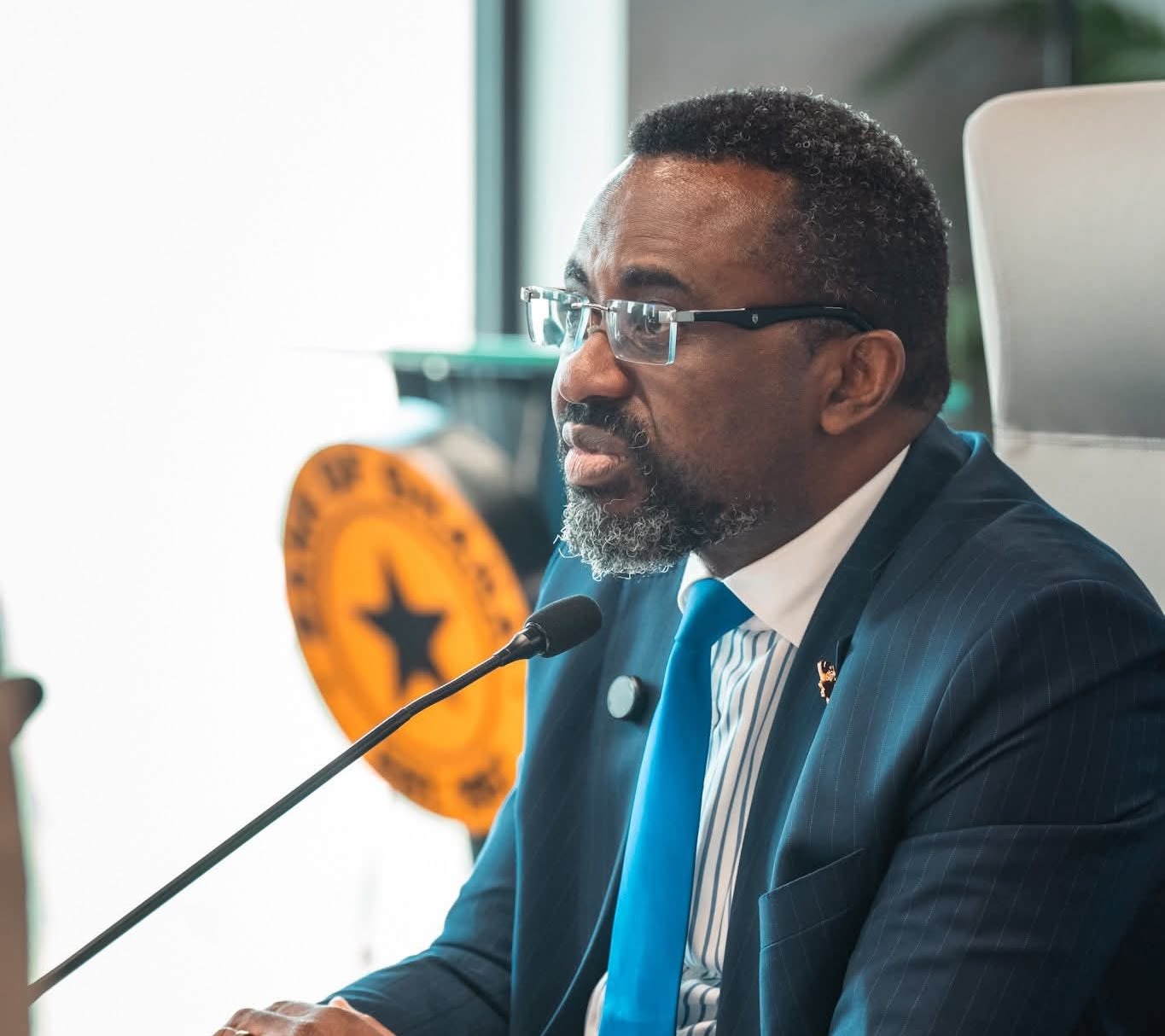
Governor Dr. Johnson Pandit Asiama said the Committee considered the current stance appropriate, even as fresh risks emerge from the Middle East and international energy markets.
"Potential upward adjustments in utility tariffs together with escalating geopolitical tensions in the Middle East and the associated increase in crude oil prices present upside risks to the inflation outlook." - Dr. Asiama
He added that continued fiscal discipline and a carefully calibrated monetary policy should help contain those risks.
"Given these considerations, the committee, by a unanimous decision, maintained the monetary policy rate at 14.0 percent.
"The committee judged that the current policy stance remains appropriate to guide inflation into the medium-term target band while allowing time to assess the evolving geopolitical developments and their potential impact on the domestic economy." - Dr. Asiama
Middle East Conflict Shapes Policy Outlook
The Committee's decision comes against the backdrop of renewed conflict in the Middle East, which has pushed Brent crude oil prices above US$85 per barrel following disruptions around the Strait of Hormuz.
According to the Governor, higher energy prices and interruptions to global trade routes have revived inflation concerns just as many central banks expected price pressures to ease.
For Ghana, where imported fuel remains a key driver of inflation, those developments have added a fresh layer of uncertainty to the policy outlook.
Ghana's Economy Continues to Expand
Despite external headwinds, the MPC noted that Ghana's economy remains on a solid footing.
Real Gross Domestic Product grew by 6.4 percent in the first quarter of 2026, up slightly from 6.2 percent recorded during the same period last year.
The Bank's Composite Index of Economic Activity also accelerated sharply, expanding by 13.4 percent in May compared with 4.4 percent a year earlier.
The improvement was supported by stronger industrial production, increased trade activity, higher tourist arrivals and robust private sector lending.
Credit to the private sector climbed by 41.2 percent in June, while real credit growth reached 34.1 percent. Lending conditions also improved significantly, with average interest rates falling to 15.6 percent from 27 percent recorded a year earlier.
External Position Remains Resilient
The Bank said Ghana's external sector continued to benefit from strong export earnings, particularly from gold and cocoa.
The country's trade surplus increased to US$8.8 billion in the first half of the year, while the current account surplus widened to US$5.1 billion.
International reserves, however, slipped to US$12.9 billion from US$13.8 billion at the end of 2025, largely due to higher energy-related payments linked to the Middle East conflict. Even so, the Governor said reserve levels remain sufficient to cushion the economy against external shocks.
The cedi also experienced some pressure earlier in the year but recovered in recent weeks. As of July 17, it had recorded a cumulative depreciation of 9.5 percent against the US dollar.
The Bank of Ghana's next Monetary Policy Committee meeting is scheduled for September 22 to 24, with the next policy rate announcement expected on September 24. Investors, businesses and financial markets will be watching closely to see whether global developments alter the Committee's current assessment.
READ ALSO: Ghana, World Gold Council Sign MoU to Strengthen Responsible Small-Scale Mining