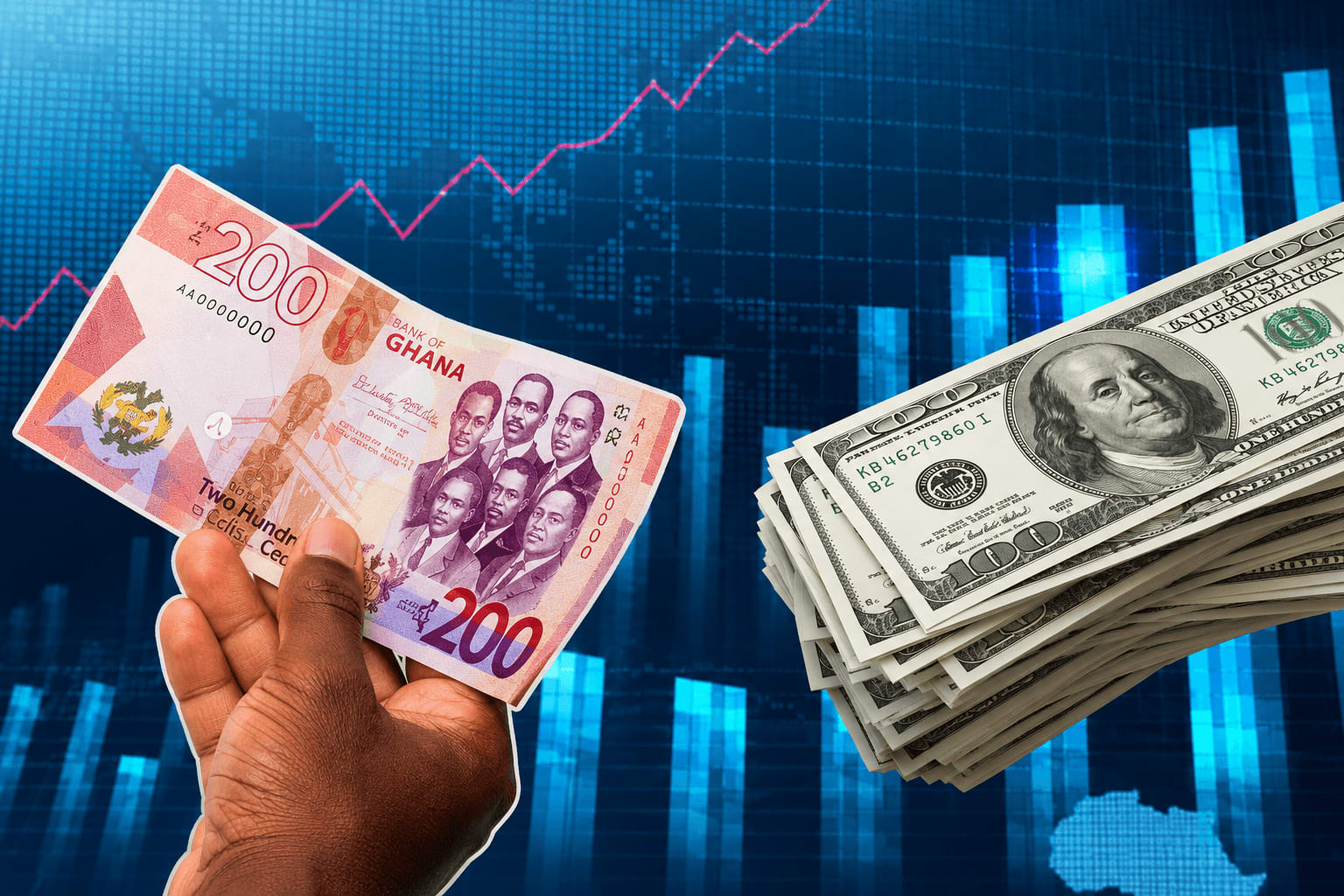
The Ghana cedi is under pressure heading into the new trading week, with the sharp rise in international oil prices threatening to increase petroleum importers’ demand for dollars at a time when the local currency is already losing ground.
The cedi ended last week at GH¢11.4493 to the dollar on the buying side and GH¢11.4607 on the selling side, based on the Bank of Ghana’s interbank reference rate for September 11.
That left the dollar about 1.24 percent higher over the week, equivalent to a depreciation of roughly 1.23 percent in the cedi’s value against the US currency.
The slide continued into the final trading session. The central bank’s dollar selling rate moved from GH¢11.4457 on September 10 to GH¢11.4607 the following day, while the buying rate increased from GH¢11.4343 to GH¢11.4493. The change is not dramatic on its own. The trouble is what is gathering around it.
Retail dollar rate widens gap
Licensed forex bureaux were selling the dollar at about GH¢12.15 on September 11, well above the official interbank selling rate.
The difference represents a retail premium of approximately 6.01 percent. Some of that gap reflects transaction costs, risk and the smaller volumes handled outside the interbank market.
Still, it suggests that businesses and individuals seeking immediately available dollars are paying considerably more than the central bank’s reference rate indicates.
A wide retail gap is not automatic proof of a foreign-exchange crisis. It does, however, become harder to dismiss when it persists alongside a weakening interbank rate and stronger corporate demand.
The Bank of Ghana calculates its daily reference rate from foreign-exchange data submitted by commercial banks. Actual rates offered to importers and retail customers can differ depending on liquidity, volumes and the institution handling the transaction.
Oil above US$107 changes the equation
The bigger pressure is coming from the international energy market.
Brent crude climbed 6.34 percent to settle at US$107.63 per barrel on September 10. West Texas Intermediate rose 6.69 percent to US$102.48 as attacks on tankers and restrictions around the Strait of Hormuz deepened concerns about global supply.
Both benchmarks recorded their steepest gains in nearly two months, according to Reuters.
An analysis cited by Reuters described the emerging oil-market environment bluntly: “disruption risk is persistent, not episodic.”
For Ghana, the issue is not simply that crude oil has crossed US$100. The country produces and exports crude, but it also imports large quantities of refined petroleum products. Higher global prices can boost upstream export earnings while simultaneously increasing the dollar cost of petrol, diesel and other finished products brought into the country.
The timing of those inflows and payments matters. Export receipts do not necessarily arrive in the market at the same moment petroleum importers need dollars to settle their bills.
Pump prices could feel the shock
The Chamber of Petroleum Consumers expects the international price increase to show up at the pumps during the pricing window beginning September 16.
COPEC projects petrol to rise by 4.24 percent to about GH¢16.26 per litre, while diesel could jump 10.23 percent to approximately GH¢19.07. The projections have also prompted calls for continued intervention to cushion consumers.
If importers must purchase the same volume of fuel at a much higher international price, their dollar requirements rise even when domestic consumption remains unchanged. That additional demand could put the cedi under greater strain unless it is matched by stronger foreign-exchange inflows or central-bank supply.
The impact would not stop at the currency market. A weaker cedi raises the local cost of petroleum imports, while expensive fuel feeds into transport fares, food distribution, construction and industrial production. One shock begins to reinforce the other.
This week’s test is therefore straightforward. Traders will be watching whether the interbank rate moves further from GH¢11.46, whether the retail premium remains near 6 percent and whether petroleum companies step up their demand for dollars.
The cedi’s latest decline remains manageable. With Brent above US$107 and retail dollars selling around GH¢12.15, however, the margin for comfort is narrowing.
READ ALSO: Suspend Fuel Taxes and Restore Petroleum Margins, NPP tells Government