Ghana has renewed its ambition to become West Africa's leading downstream petroleum hub, with the National Petroleum Authority (NPA) insisting that long-term investment and innovation will determine whether that vision becomes reality.
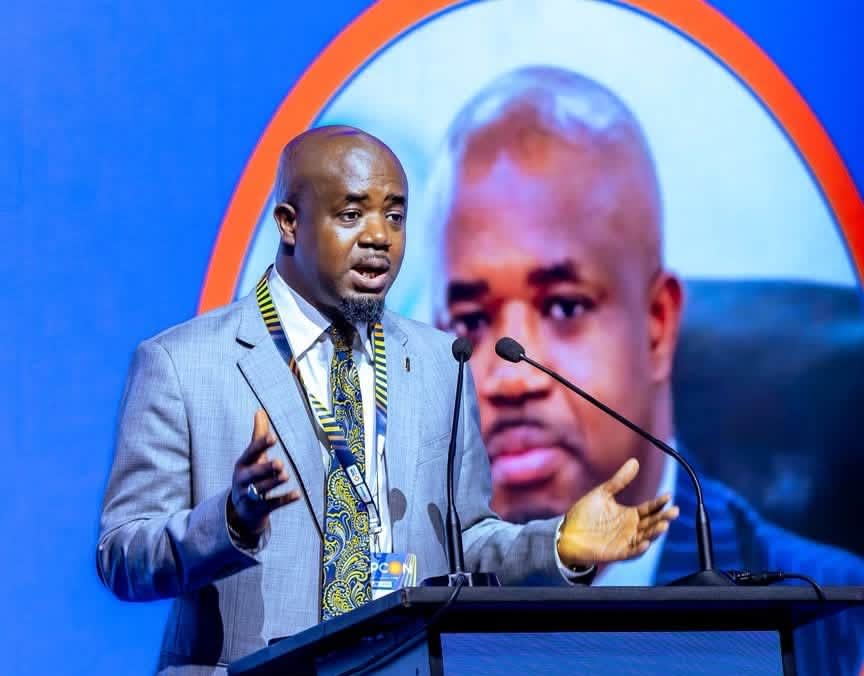
Speaking at the opening of the 7th Ghana International Petroleum Conference (GhIPCon 2026) in Accra, NPA Chief Executive Godwin Edudzi Tamakloe said the country's downstream petroleum industry must evolve beyond responding to crises and instead build the resilience needed for sustained economic growth.
The conference attracted policymakers, regulators, investors and petroleum industry executives from more than 25 countries to discuss the future of the sector amid changing global energy dynamics.
Beyond fuel supply
Mr Tamakloe said Ghana's downstream industry had proven its resilience by maintaining uninterrupted fuel supplies despite recent global disruptions.
He noted that government interventions, including the temporary removal of selected fuel margins, helped reduce pressure on consumers while keeping the market stable.
Still, he argued that resilience extends far beyond ensuring fuel is available at filling stations.
"True resilience requires reliable infrastructure, strong regulatory institutions, adequate storage, efficient distribution systems, modern logistics and the capacity to respond quickly to market shocks." - NPA Chief Executive
That broader approach, he explained, is essential if Ghana is to position itself as a regional centre for petroleum storage, refining, transportation and trade.
Investment remains the missing piece
The NPA Chief Executive identified infrastructure financing as one of the biggest hurdles facing the country's petroleum ambitions.
According to him, expanding refineries, storage terminals, pipelines and distribution networks will require consistent public and private investment backed by stable regulations.
"Without sustained public and private investment, it will be difficult to build the infrastructure, technology and human capital necessary to support Ghana's long-term energy aspirations." - NPA Chief Executive
Mr Tamakloe also urged industry players to embrace automation, digital regulation and smarter logistics to improve operational efficiency and strengthen regulatory oversight.
He said technology should drive product quality assurance, pricing transparency, tax compliance and environmental monitoring across the sector.
The NPA believes Ghana's strategic location, existing infrastructure and political stability provide a solid platform for regional leadership. But geography alone, officials say, will not secure hub status.
The conference is expected to produce recommendations on regulatory reforms, infrastructure development and investment strategies as Ghana seeks to transform its downstream petroleum industry into a competitive regional platform.
READ ALSO: TOR Receives One Million Barrels of Jubilee Crude to Boost Local Refining