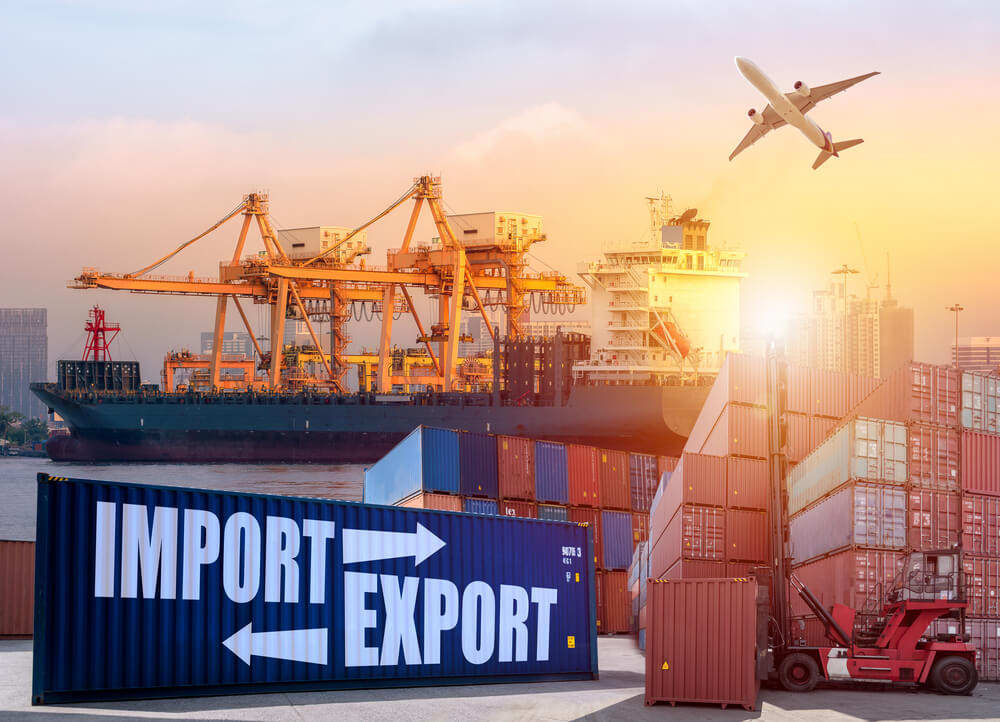
Ghana recorded a trade surplus of GH¢46.1 billion in the first quarter of 2026 after exports significantly outpaced imports, according to the latest trade data from the Ghana Statistical Service.
Exports between January and March reached GH¢110.3 billion, while imports stood at GH¢64.2 billion.
Government Statistician Dr Alhassan Iddrisu said Ghana traded goods worth a combined GH¢174.6 billion, equivalent to US$16.1 billion, during the three-month period.
“Ghana traded goods worth 174.6 billion Ghana cedis or 16.1 billion US dollars in just the first 3 months of 2026,” he said, describing the volume as equivalent to almost GH¢2 billion in trade each day.
Gold Remains Dominant Export
Gold continued to sit at the centre of Ghana’s export performance, generating GH¢63.7 billion, or about US$5.9 billion, during the quarter.
Cocoa exports also improved, while Asia remained Ghana’s largest trading partner. Trade with other African countries strengthened as well.
But the headline surplus tells only part of the story.
Dr Iddrisu cautioned that once price effects are stripped out, Ghana’s trade position looks much weaker.
“When we adjust for price effect using the unit value index, the picture changes from a nominal surplus to a real trade deficit,” he said.
That means higher export prices, rather than a dramatic increase in export volumes, accounted for much of the improvement. “Much of the price gain in quarter one of 2026 came from gold,” he added.
GSS Pushes Diversification and Value Addition
The GSS is urging government and businesses to use the strong export numbers as a platform for deeper diversification.
Dr Iddrisu called for more processing, innovation and competitiveness, as well as stronger use of the African Continental Free Trade Area.
“Government should continue promoting export diversification, value addition, and regional trade under the AFCFTA,” he said.
He also encouraged households to support Ghanaian-made products, arguing that stronger domestic consumption of locally produced goods could help create jobs and reduce dependence on imports.
The first-quarter figures therefore show a strong nominal trade position, but also underline Ghana’s continued exposure to commodity prices, particularly gold.
READ ALSO: Bank of Ghana Sells GH¢12.90bn in 14-Day Bills at 10.50%