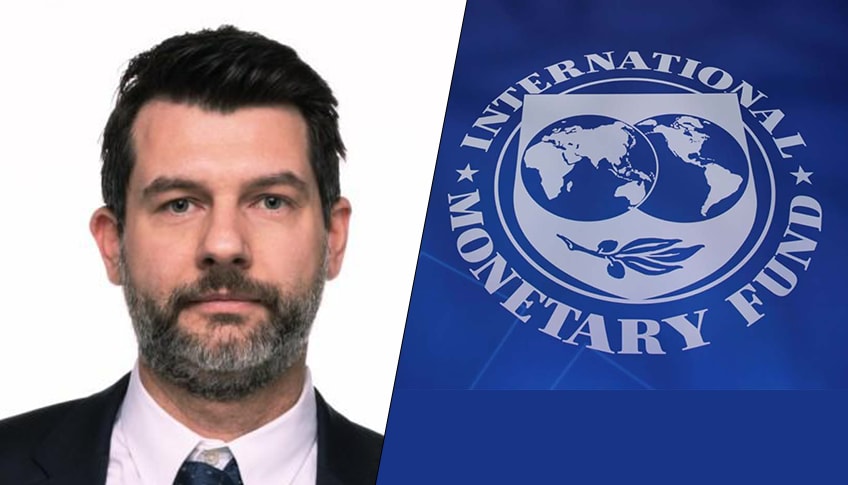
The International Monetary Fund says Ghana will have additional fiscal space equivalent to 1% of GDP for development spending from 2027, following an adjustment to the country’s fiscal targets.
IMF Resident Representative in Ghana, Dr Adrian Alter, said the Fund agreed to reduce the primary surplus target on a commitment basis from 1.5% of GDP to 0.5%.
The change, he said, gives government room to direct more resources towards development without abandoning fiscal consolidation.
“By relaxing the fiscal stance from 1.5% primary surplus on a commitment basis to 0.5% of GDP, that basically allows an extra percentage point of GDP to be spent on development needs starting in 2027.” - Dr Alter
He was speaking with Bernard Avle on The Point of View.
Arrears Forced Tough Spending Controls
Dr Alter said the adjustment follows efforts by the government to deal with significant fiscal pressures inherited in 2025.
According to him, a large stock of arrears and a wider fiscal deficit carried over from 2024 required government to restrain expenditure and introduce tighter controls.
“The government in 2025 inherited a large stock of arrears, and basically, it needed to address a much larger fiscal deficit in 2025 that was brought from 2024,” he explained.
Among the measures introduced was commitment authorisation, intended to strengthen control over public expenditure and prevent new arrears from accumulating.
The IMF representative said such restraint was necessary to restore stability and rebuild confidence in Ghana’s public finances.
Development Spending Takes Bigger Role
The Fund, however, acknowledges that fiscal repair cannot be the only consideration.
Dr Alter said Ghana still faces substantial development needs, making it necessary to create space for greater public investment once the immediate fiscal pressures are brought under control.
The revised target is therefore intended to strike a balance between maintaining discipline and financing development priorities.
For government, that extra percentage point of GDP could become significant as it moves into 2027, particularly after a period in which spending restraint has dominated fiscal management.
Dr Alter indicated that while tighter expenditure controls were essential during the stabilisation phase, investment in development would need to carry greater weight as Ghana’s fiscal position improves.
READ ALSO: Government Seizes GH¢6.9m, $440k and 19kg of Gold in Major Drug Trafficking Crackdown