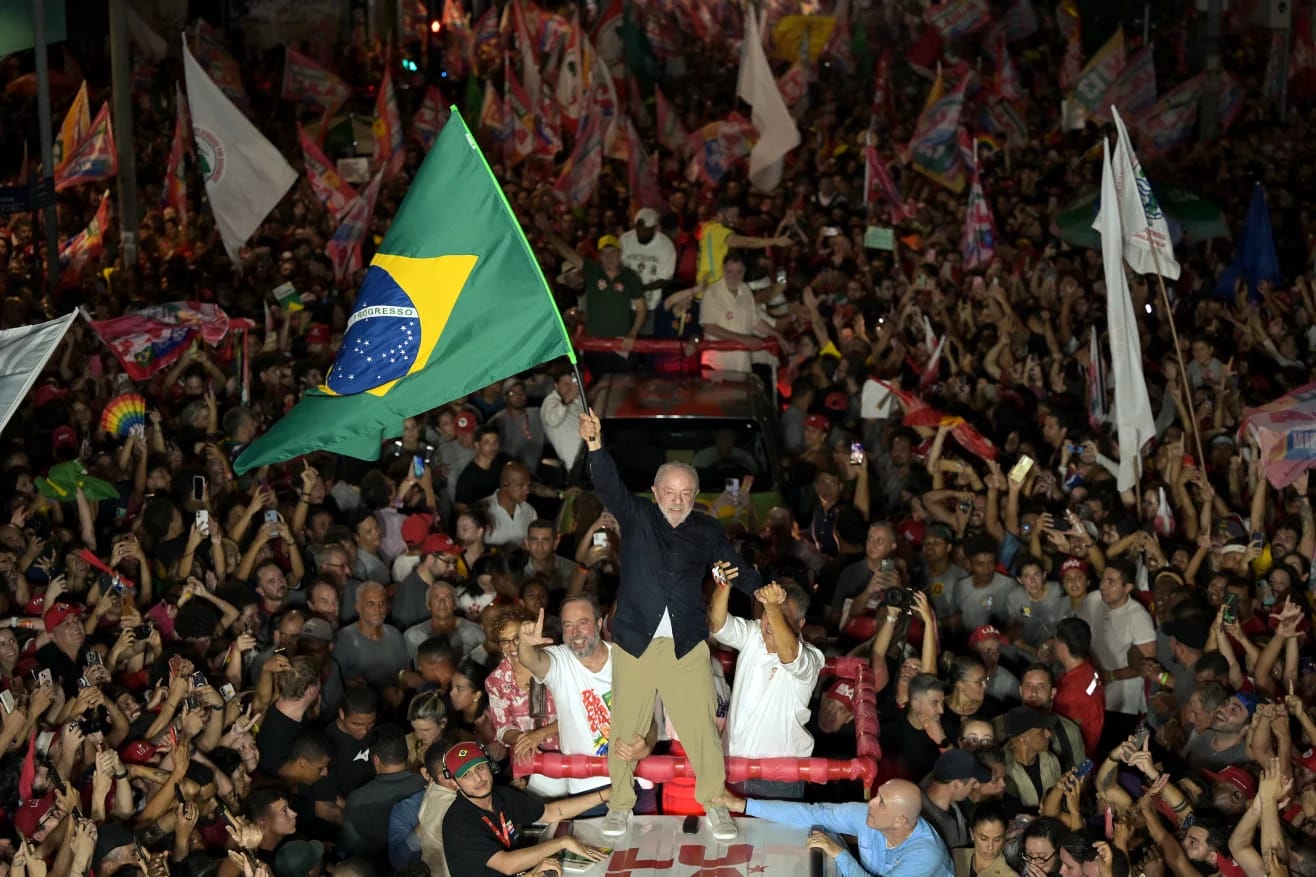
Brazilian President Luiz Inácio Lula da Silva has won re-election, defeating Senator Flávio Bolsonaro in Sunday’s presidential runoff to secure a historic fourth term in office.
The victory makes the 80-year-old leftist leader the first Brazilian president elected four times, extending a political career that has repeatedly brought him back to the centre of the country’s deeply divided electorate. The Associated Press reported his re-election, citing the electoral court.
The October 25 result followed a campaign dominated by living costs, crime and corruption, with voters choosing between Lula and the political movement led by former President Jair Bolsonaro.
Lula entered the runoff after finishing behind Flávio Bolsonaro in the October 4 first round.
Brazil’s Superior Electoral Court reported that Bolsonaro received 47.03 per cent of valid votes, compared with Lula’s 45.16 per cent. Neither secured the majority required for an outright victory.
Lula’s comeback represents another electoral setback for the Bolsonaro family. He defeated Jair Bolsonaro in 2022 and has now overcome his son’s attempt to return the movement to the presidency.
Late voting extension causes confusion
Election day was complicated by a last-minute decision to extend voting following requests from both campaigns.
Lula’s campaign cited problems affecting buses transporting voters, while Bolsonaro’s team pointed to heavy rain that had made polling stations difficult to reach in some areas.
Supreme Court Justice Cristiano Zanin granted an extension around the scheduled closing time. Subsequent clarification limited it to polling stations that had not already closed, allowing them to remain open until 7 p.m. Brasília time.
The timing prompted confusion and criticism from Bolsonaro’s campaign, with some polling locations already shut when the decision was announced.
Foreign-policy implications
The outcome also carries significance beyond Brazil, Latin America’s largest country.
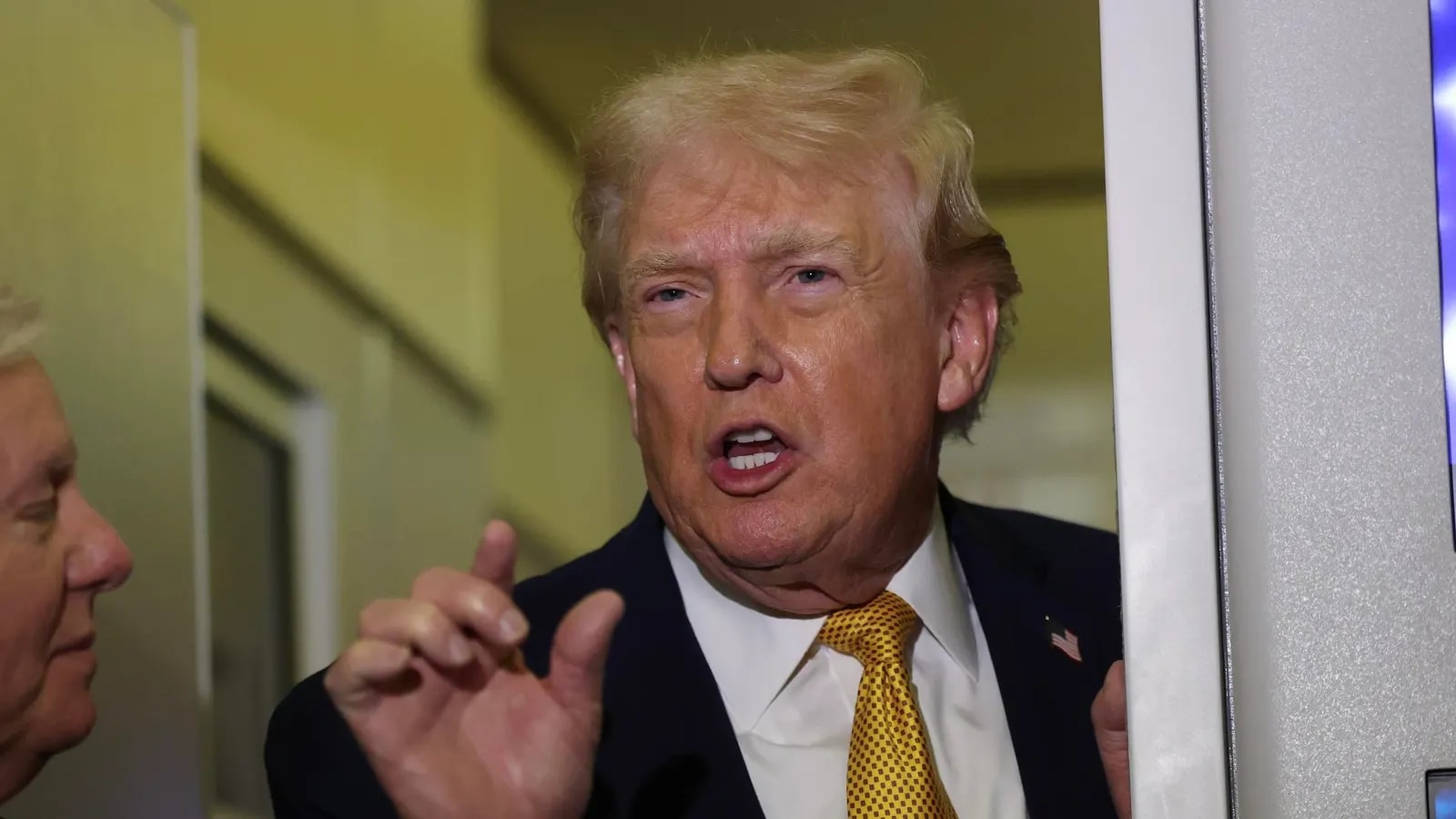
Lula has emphasised national sovereignty and closer engagement with China and the wider Global South amid tensions with US President Donald Trump’s administration.
Trump said on Sunday that he was monitoring the runoff, although he declined to endorse either candidate.
Lula now faces the task of governing a country whose campaign exposed persistent divisions over economic conditions, public safety and political leadership.
READ ALSO: Mahama Urges Africa to Fund Its Own Peace Operations