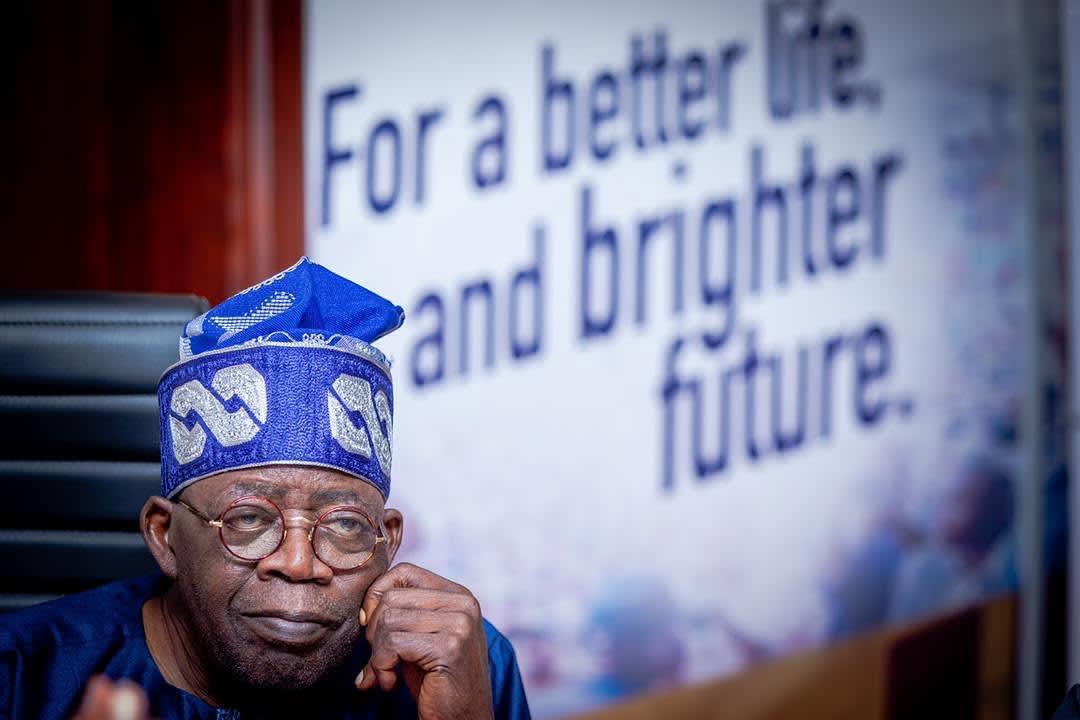
President Bola Ahmed Tinubu has declared that Nigeria is entering an “age of prosperity”, arguing that three years of difficult economic reforms have created a foundation from which his government can now focus on jobs, lower living costs and broader economic opportunity.
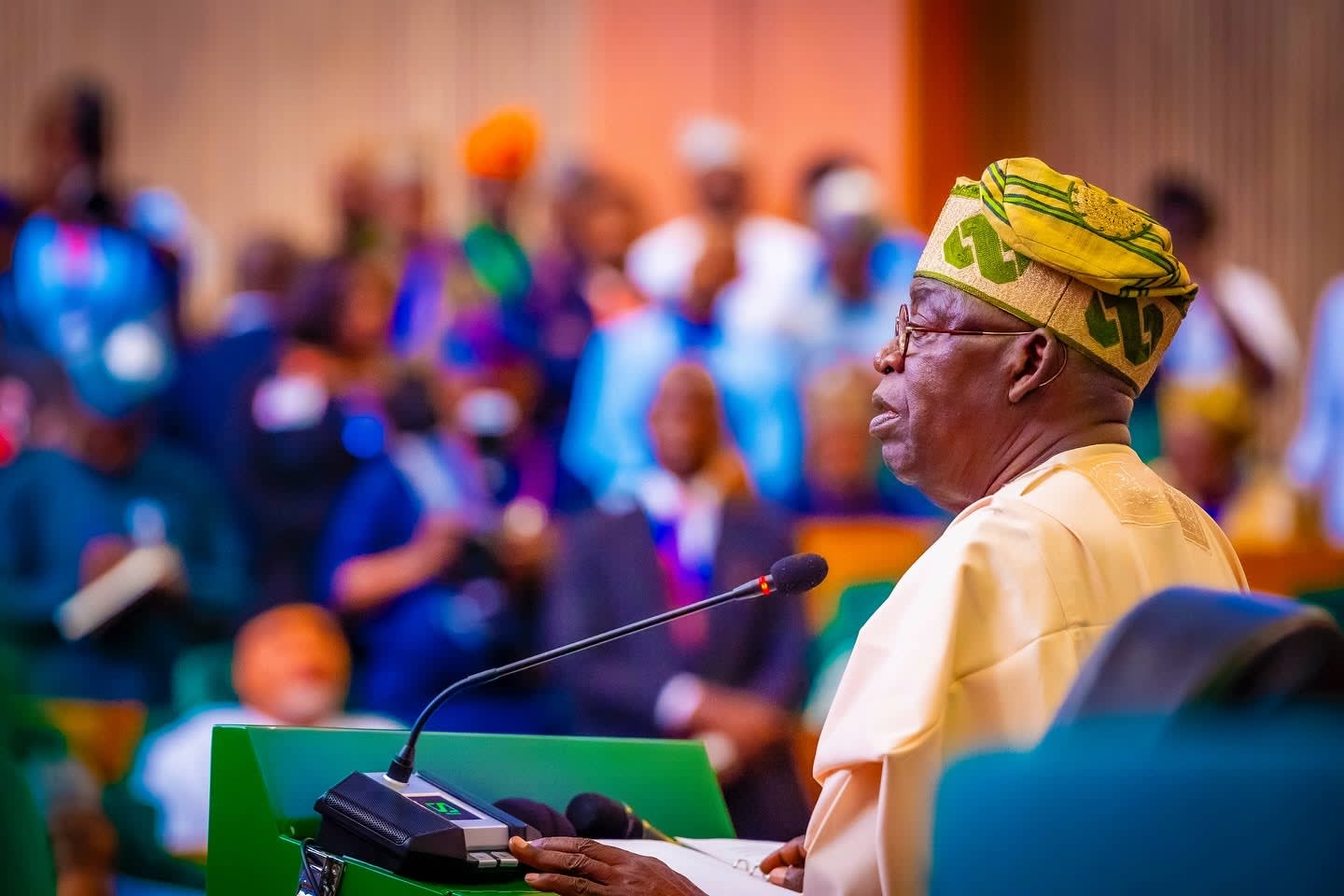
Addressing Nigerians on Thursday, October 1, as the country marked its 66th Independence anniversary, Tinubu said the central task of his administration had shifted from stabilising an economy facing deep structural problems to ensuring that the benefits of recovery reach ordinary households.
“The age of reform has done its work. Now begins the age of prosperity,” he said in the Independence Day address.
The declaration comes after years in which the administration removed the petrol subsidy, pursued foreign exchange reforms and implemented other measures that imposed significant short term costs on households and businesses.
Tinubu Defends Painful Economic Choices
Tinubu used an unusually stark medical analogy to defend those policies.
He compared Nigeria’s previous economic position to a patient diagnosed with cancer who could either endure difficult treatment or rely on painkillers while allowing the underlying disease to worsen.
“For too long, Nigeria’s leaders chose morphine while praying for a miracle that never came,” he said, maintaining that previous governments postponed structural changes rather than dealing with underlying economic distortions. Pasted markdown
Tinubu said his administration chose a different course, accepting the immediate political and social costs of reform.
“Our reforms did not create the weaknesses in our economy. They confronted them,” he said.
The President acknowledged that the measures had caused hardship, but rejected calls to reverse course, particularly on subsidies.
President Points to Growth, Reserves and Exports
Tinubu presented several economic indicators as evidence that the reforms were beginning to deliver results.
He said Nigeria’s economy had grown by more than 4 per cent during the year, with both oil and non oil sectors contributing.
He also said oil theft had declined, inflation had fallen from its peak, foreign reserves had improved and conditions in the foreign exchange market had become more stable.
According to the President, Nigeria recorded more than US$6 billion in non oil export revenue in 2025, which he described as the highest level in the country’s history.
These figures were presented by Tinubu as evidence supporting his assessment of the reform programme.
Focus Shifts to Shared Prosperity
Tinubu said improved headline statistics would not be enough.
For him, prosperity must eventually mean affordable food and transport, reliable power for factories, access to credit and productive employment for young Nigerians.
“The emergency treatment is over. The foundation has been repaired,” he said, adding that the government’s new objective was “shared and widespread prosperity.”
The challenge now is whether improvements claimed at the macroeconomic level will translate into visible changes in household finances.
Tinubu acknowledged that millions of Nigerians continue to struggle with food, school fees, healthcare and transport costs.
His Independence Day message therefore drew a line between the administration’s first phase and what it says must come next: turning economic reform into living standards Nigerians can actually feel.
READ ALSO: Suspend New Petroleum Tax Rule Before It Hurts Downstream Sector - Ben Nsiah