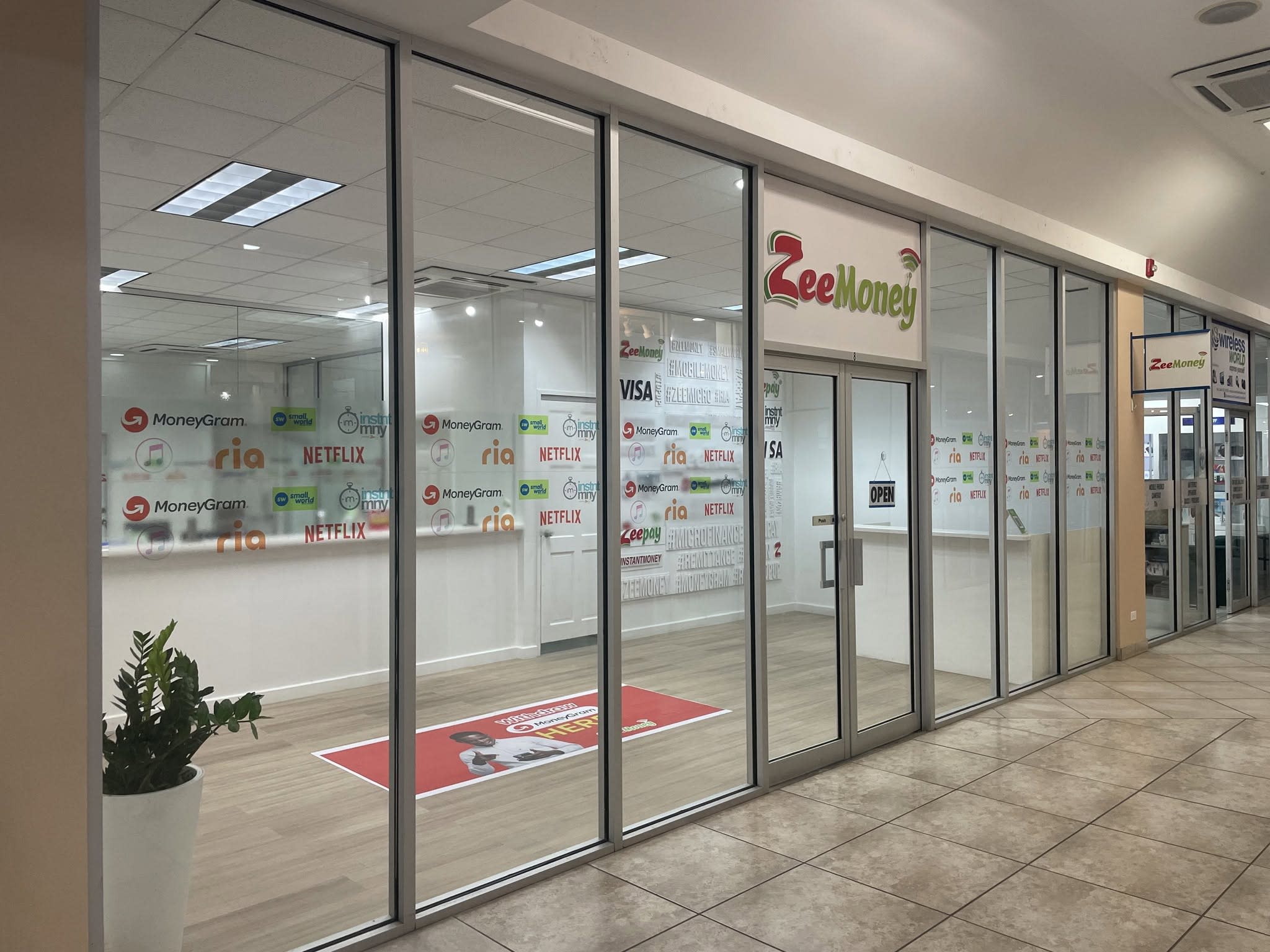
Ghanaian fintech entrepreneur Andrew Takyi-Appiah is facing heightened scrutiny following the closure of Zeemoney Barbados Limited, a Caribbean money transfer company he headed, after regulatory intervention by the Central Bank of Barbados.
The development comes at a challenging moment for Zeepay Ghana Limited, the fintech company founded by Takyi-Appiah, which is currently the subject of a creditor’s petition before the Commercial Division of the High Court in Accra seeking its winding up over an alleged unpaid debt of US$1.22 million.
The two developments, occurring in separate jurisdictions but linked by common leadership and business interests, have drawn attention to questions surrounding governance, liquidity management, and regulatory compliance within cross-border fintech operations.
Barbados Regulator Suspends Operations
According to reports by Barbados Today, Zeemoney Barbados Limited ceased operations after the Central Bank of Barbados suspended its licence from May 5 to June 4, 2026.
The regulator prohibited the company from conducting money or value transmission services during the suspension period.
The Central Bank stated that the decision followed a supervisory review and subsequent developments that had “materially deepened” concerns regarding the company’s financial condition, governance arrangements, operational continuity, and regulatory compliance.
Rather than resume operations at the end of the suspension period, Zeemoney reportedly applied to the Central Bank for approval to voluntarily wind up its operations.
The company indicated it would work closely with regulators to ensure an orderly closure process and provide customers with information regarding access to their funds.
Zeemoney operated four locations across Barbados, including its headquarters at Dome Mall in Warrens and branches in Speightstown, Hastings, and Sheraton Mall Annex.
The company offered international remittance services, mobile money transfers, digital wallets, payment services, and transfers into bank accounts and debit cards.
Pressure Mounts in Ghana
The developments in Barbados come as Zeepay Ghana faces a separate legal challenge in Ghana.
According to court filings, Obsidian Achernar Limited has petitioned the Commercial Division of the High Court in Accra to wind up Zeepay over an alleged unpaid debt arising from a foreign exchange and working capital support arrangement entered into around June 2024.
The petitioner claims Zeepay became indebted in the aggregate amount of US$2.45 million and more than GH¢567,000 under the arrangement.
Court documents allege that the parties subsequently agreed on a repayment plan under which two instalments of US$1.22 million each would be paid, alongside outstanding cedi obligations.
According to the petition, Zeepay fulfilled the first dollar payment and later settled the cedi component. However, Obsidian Achernar contends that the second dollar payment of US$1.22 million remains outstanding.
The petition also references a May 7, 2025 email allegedly sent by Takyi-Appiah, identified in the filing as Zeepay’s Managing Director, concerning payment obligations.
Obsidian Achernar further claims that a statutory demand and final letter before action were served on Zeepay in February 2026, warning of possible legal action if payment was not made.
The claims remain allegations before the court, and Zeepay Ghana will have the opportunity to present its defence and respond through the judicial process.
Questions Over Governance and Expansion
While the Central Bank of Barbados did not cite the Ghana court case as a reason for its action against Zeemoney, the timing of the two developments has inevitably attracted attention within financial and regulatory circles.
The regulator’s concerns were specifically related to Zeemoney Barbados and focused on issues including governance, financial condition, compliance, and operational continuity.
Nevertheless, observers note that the overlap in leadership and the apparent connection between the businesses raise broader questions about how rapidly expanding fintech firms manage risk across multiple jurisdictions.
For companies operating in the remittance and payments industry, confidence remains a critical asset. Customers depend on secure and timely movement of funds, while regulators expect strong governance systems, adequate liquidity, and effective compliance controls.
Industry analysts note that expansion into multiple markets often requires significant investments in oversight structures, risk management frameworks, and regulatory engagement to ensure that operations remain resilient under pressure.
Confidence and the Future of Fintech
The situation highlights the increasing scrutiny facing fintech companies as regulators around the world tighten oversight of digital financial services providers.
The rapid growth of African fintech has been driven by innovation, financial inclusion, and the ability to facilitate faster and cheaper cross-border payments. However, experts say growth must be accompanied by robust governance and strong operational controls.
For Zeemoney Barbados, the immediate focus will be completing its voluntary wind-up process under regulatory supervision. For Zeepay Ghana, attention will remain on the ongoing court proceedings in Accra and the outcome of the creditor’s petition.
For Andrew Takyi-Appiah, the developments present a significant reputational challenge at a time when regulators, creditors, and market participants are placing greater emphasis on transparency, accountability, and financial resilience.
As the cases unfold, stakeholders across the fintech sector will be watching closely, not only for the legal outcomes but also for what they reveal about the evolving demands of operating digital financial services businesses across multiple jurisdictions.
READ ALSO: Ghana, Belarus Sign Three Agreements to Strengthen Bilateral Cooperation