NPA Revenue Jumps 43% to GH¢819.5m as Surplus Hits GH¢447.19m
The National Petroleum Authority recorded stronger financial performance in 2025, with revenue rising 43.09% to GH¢819.50 million and surplus climbing 75.89% to GH¢447.19 million.
Page 19

The National Petroleum Authority recorded stronger financial performance in 2025, with revenue rising 43.09% to GH¢819.50 million and surplus climbing 75.89% to GH¢447.19 million.

Ghana Stock Exchange turnover fell to GH¢6.32 million on August 28, 2026, with MTN Ghana accounting for more than half of market value despite gains in Enterprise, Dannex and SIC.

Ghana is returning to the domestic capital market with a four-year cedi-denominated Treasury bond maturing in 2030, testing investor appetite for longer-term sovereign debt.

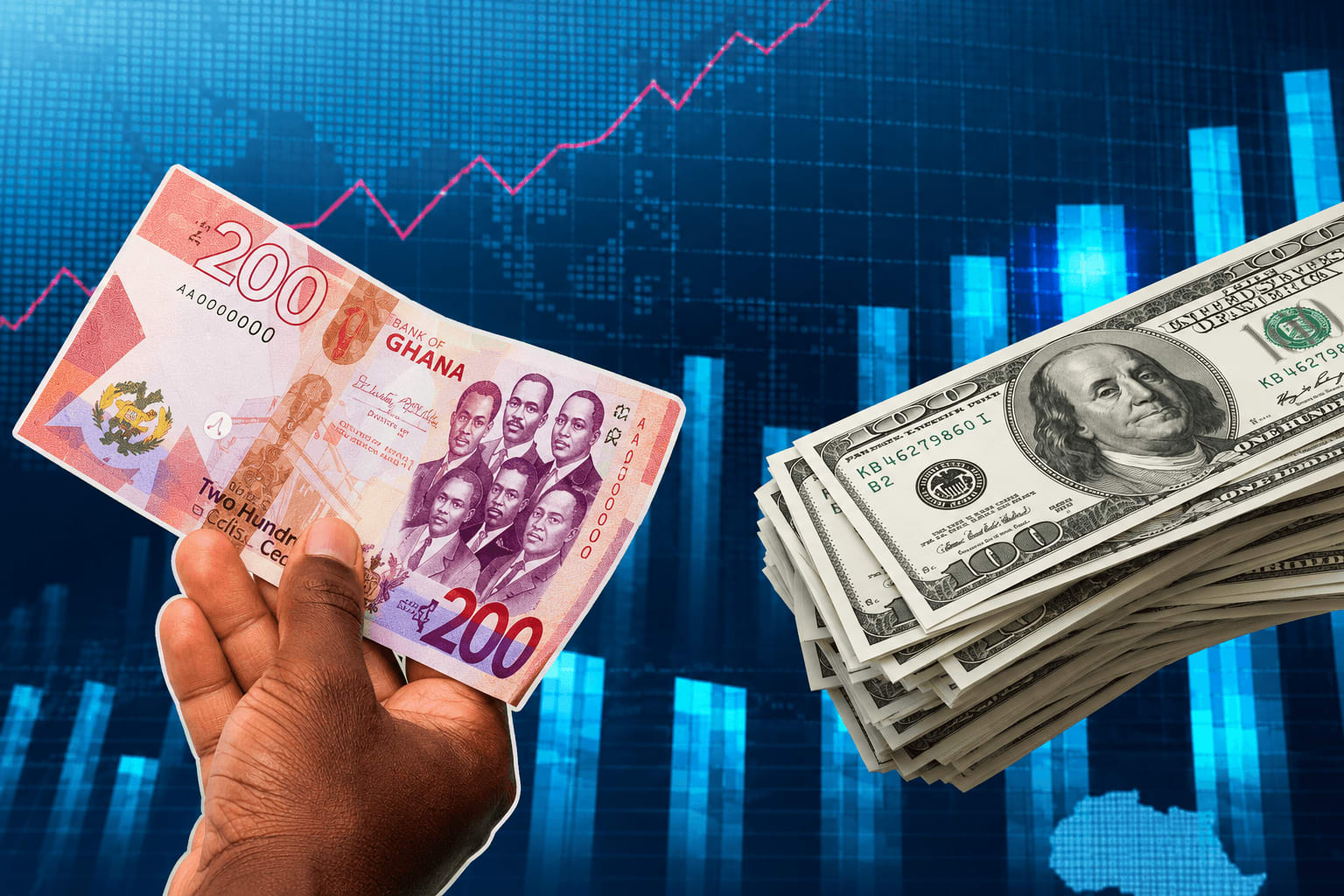
The Ghana cedi weakened to GH¢11.25 to the US dollar as the Bank of Ghana introduces a new FX intervention framework, petroleum forward auctions and tighter controls on domestic dollarisation.

COPEC projects marginal increases in petrol, diesel and LPG prices from September 1, 2026, despite a stronger cedi and slightly lower crude oil prices.

Ghana’s final Treasury bill auction for August attracted GH¢12.3 billion in bids, while government rejected GH¢5.8 billion as it continued to push borrowing yields lower.

President Donald Trump says the United States has reached an agreement with Venezuela giving US interests majority control over more than 65 billion barrels of proven oil reserves.

Universal Merchant Bank says it has become Ghana’s first bank approved by both the Bank of Ghana and SEC to offer virtual accounts to eligible businesses in the virtual asset ecosystem.

Ghana Fixed Income Market turnover reached GH¢1.86 billion on August 27, 2026, as Treasury bills and DDEP bonds accounted for most secondary market activity.

Ghana Chamber of Mines CEO Dr Ken Ashigbey is urging government to reduce taxes, power costs and other pressures affecting local gold refining as Ghana expands mineral value addition.

Ghana’s small scale miners have backed GoldBod’s local refining policy, arguing that higher operating costs should be weighed against jobs, value addition and wider economic benefits.

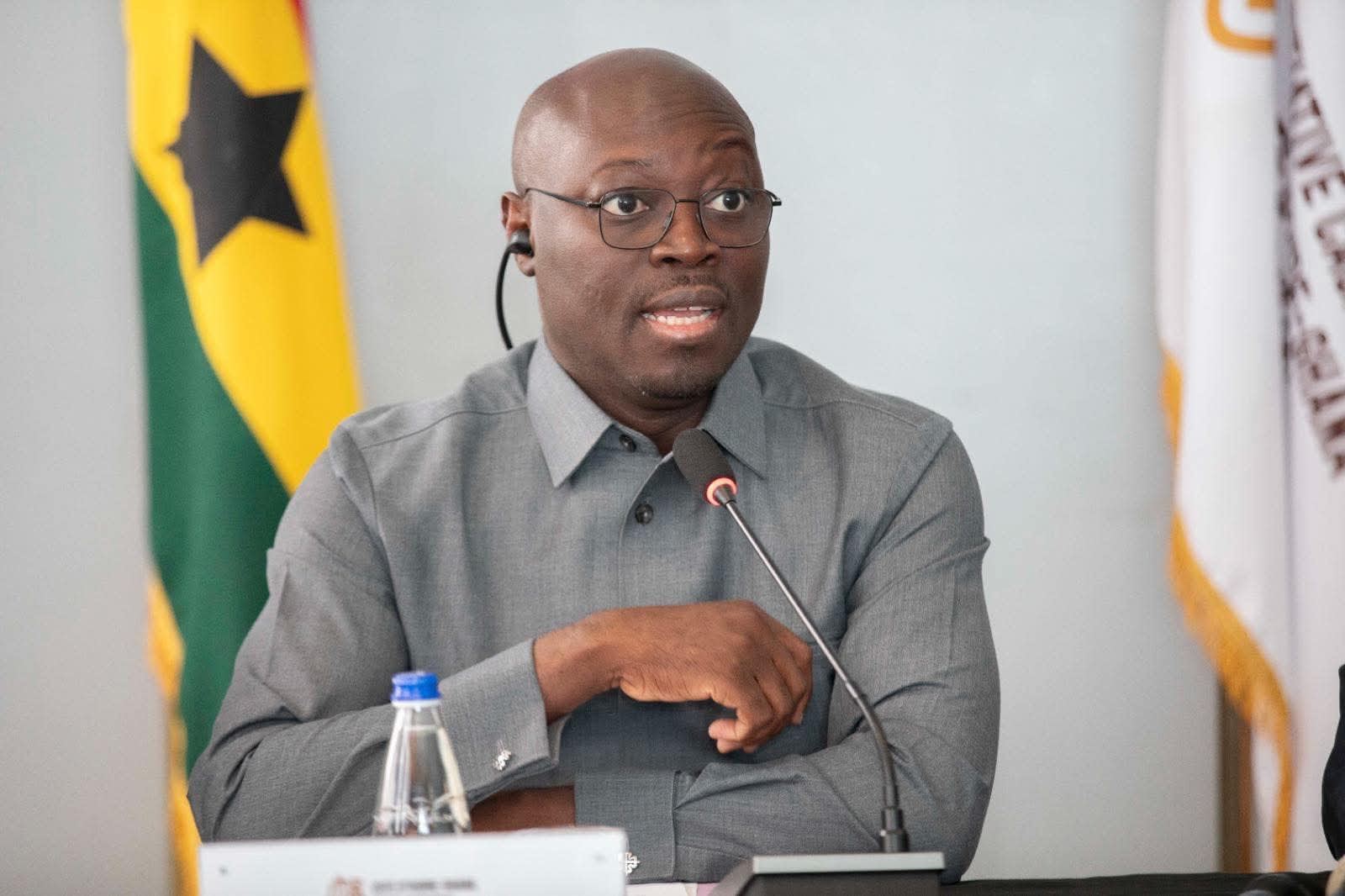
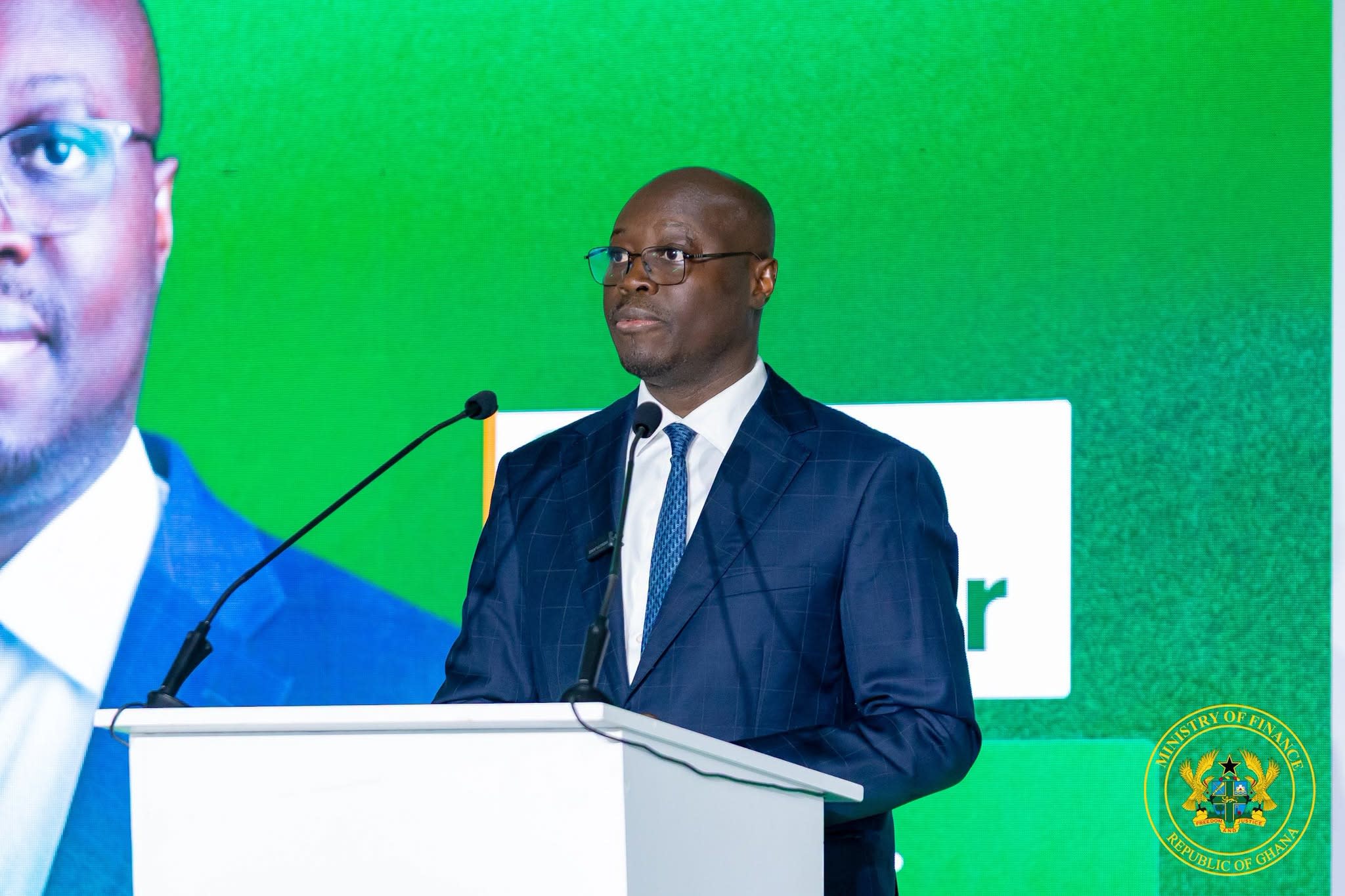
Ghana’s Finance Minister Cassiel Ato Forson says Africa’s industrialisation drive will struggle unless the continent fixes costly energy, weak utilities and macroeconomic risks that deter investment.