Rising Fuel Prices Could Threaten Ghana’s Inflation Gains – Deloitte
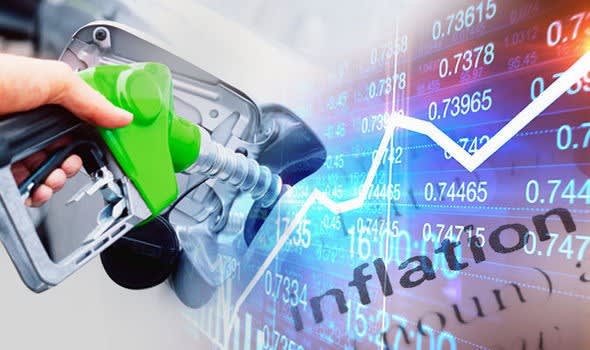
Deloitte warns that rising fuel prices could reverse Ghana’s disinflation gains in 2026, increasing pressure on transport costs, utilities and non-food inflation.
Page 33

Deloitte warns that rising fuel prices could reverse Ghana’s disinflation gains in 2026, increasing pressure on transport costs, utilities and non-food inflation.

Ghana’s government raised GH¢3.93 billion in the latest Treasury bill auction, missing its target as investor demand weakened despite lower interest rates.

GOIL has announced a final dividend of GH¢0.06 per share for the 2025 financial year, subject to shareholder approval at its upcoming AGM.
Oil prices tumbled more than 5% in Asian trading after reports that a deal to reopen the Strait of Hormuz and extend the ceasefire is nearing completion.

COMAC Board Chairman Gabriel Kumi says sustainable downstream fuel supply is critical to Africa’s industrial growth, energy security, and long-term economic transformation.

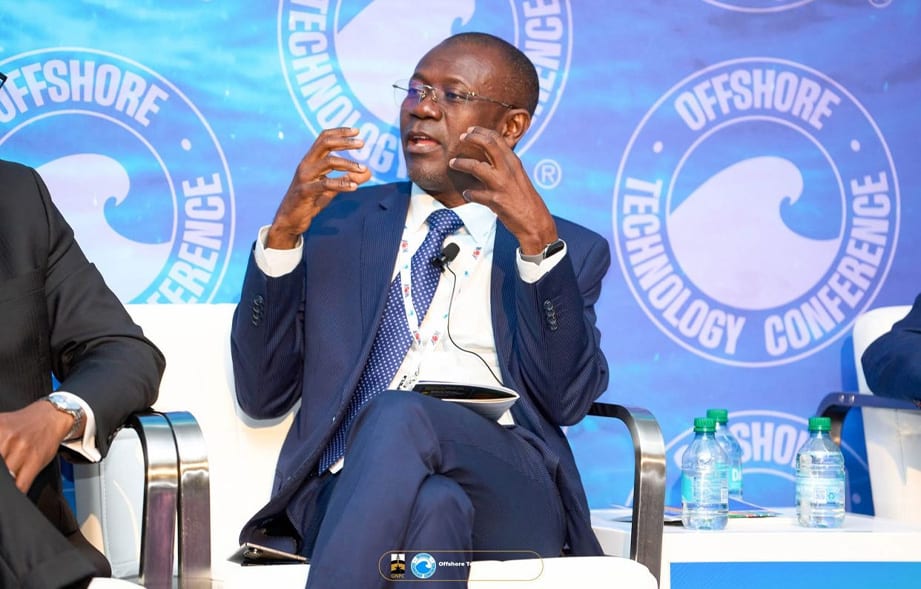
GNPC showcased Ghana’s energy investment opportunities at OTC 2026 in Houston, highlighting partnerships, technology adoption, and sustainable growth in the upstream petroleum sector.

Ghana’s crude oil production has declined for the sixth consecutive year, falling to 37.3 million barrels in 2025, raising concerns about investment and the future of the oil and gas sector.

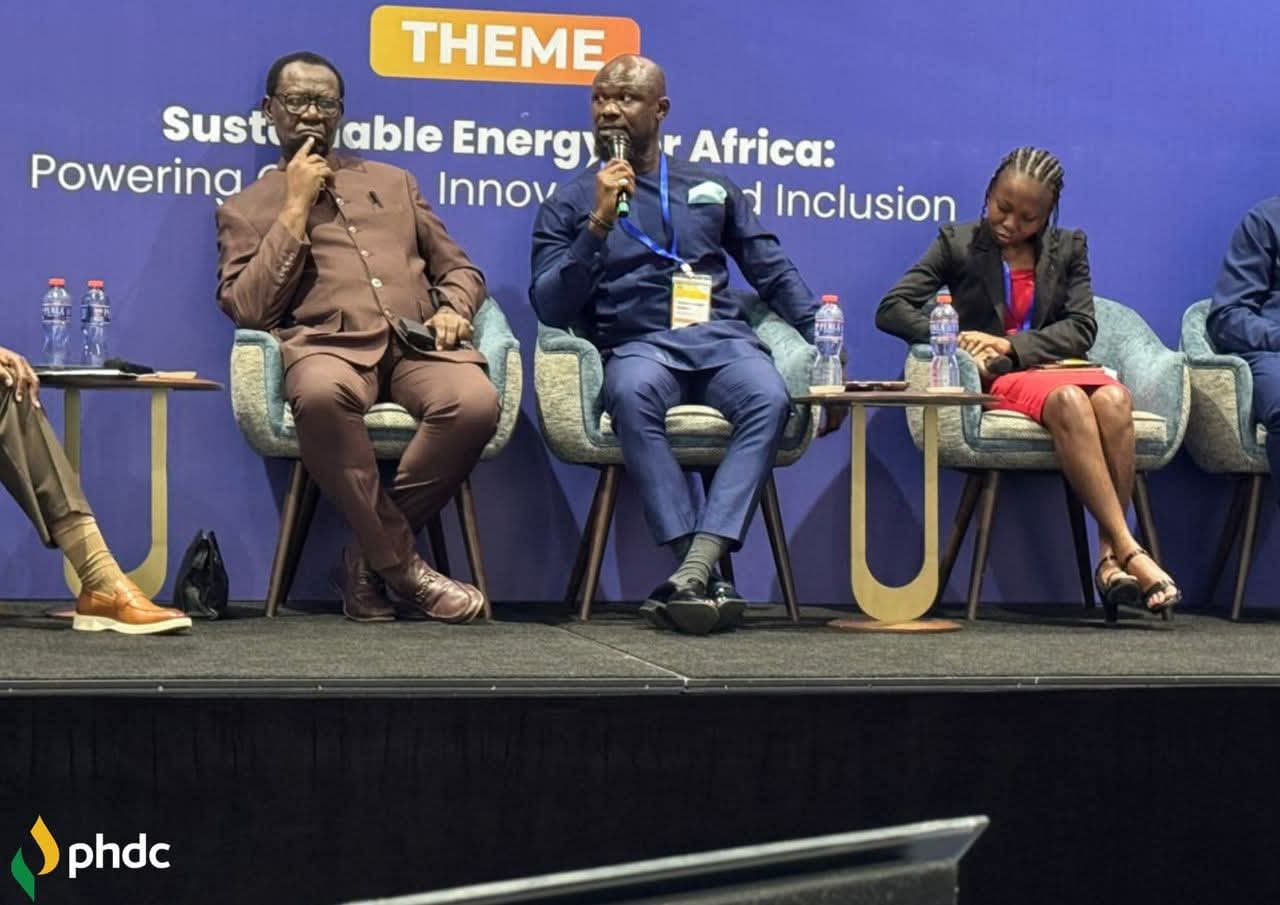
Petroleum Hub Development Corporation says Ghana has created a conducive environment for energy sector investment, with policies aimed at reducing risks and guaranteeing investor returns.

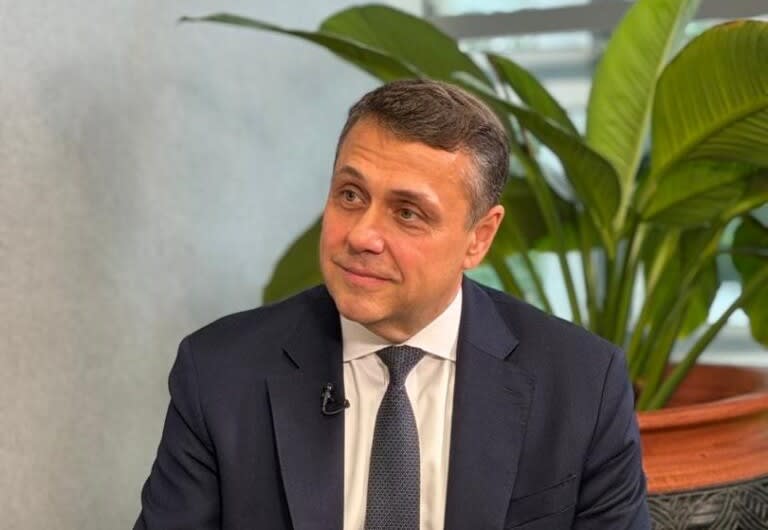
IMF Mission Chief Dr Ruben Atoyan says Ghana will access the final US$318 million tranche under its IMF programme after Board approval of the sixth review in July 2026.

Ghana’s Fixed Income Market recorded GH¢1.51 billion in trades on May 21, 2026, driven by sell/buy-back transactions and treasury bill activity amid falling yields and liquidity management.

Bank of Ghana Governor Dr Johnson Pandit Asiama says Ghana is emerging as a key contributor to the future of global financial markets through digital payments, fintech regulation, e-Cedi development and regional integration.

At the close of trading, the benchmark GSE Composite Index (GSE-CI) remained unchanged at 14,489.47 points.