The Bank of Ghana says it is prepared to manage the bond repayment liquidity impact arising from government’s early payments to domestic bondholders, amid concerns that the inflows could add pressure to the financial system.
Governor Dr Johnson Asiama said the central bank was aware of the government’s sinking fund arrangements and had already factored the likely liquidity effects into its monetary operations.
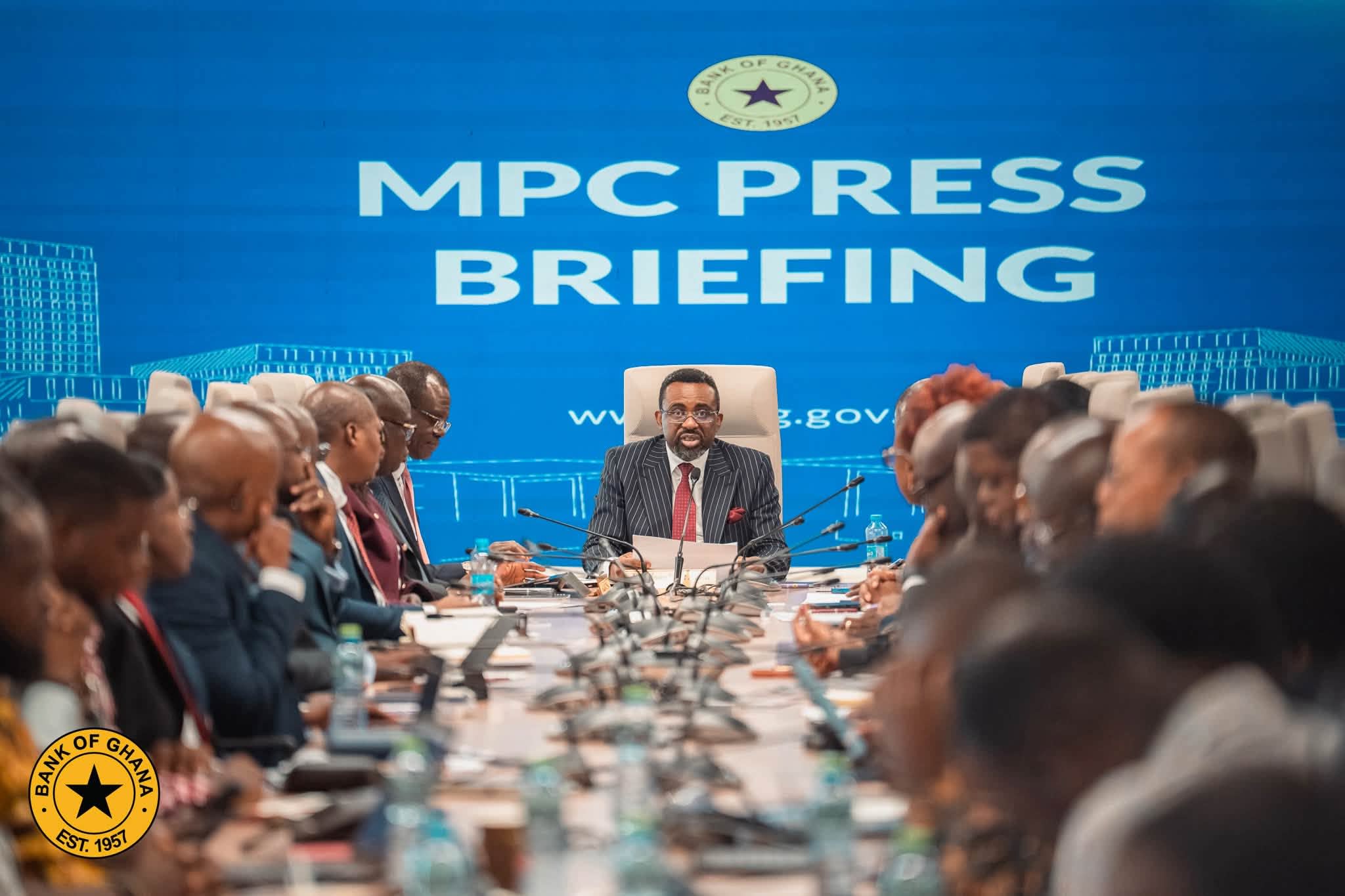
Speaking at the 137th Monetary Policy Committee press briefing, Dr Asiama said recent changes to the Bank’s operational framework had strengthened its ability to absorb or manage excess liquidity when necessary.
“There was a sinking fund that was put up. We were very much aware of that.
“With the decision we are taking today, we are in a better position to manage the liquidity impact of some of those that can arise in the future.” - Governor Asiama
BoG monitoring market closely
Early repayments to domestic bondholders could release significant amounts of cash into the banking system, potentially affecting money market rates and other monetary policy conditions.
Dr Asiama said the central bank was watching the situation closely to ensure that the repayments did not undermine its broader inflation and liquidity objectives. “So we have our eyes on the ball here,” he said.
The comments come as government continues to settle obligations under its domestic debt management programme, including early redemption arrangements backed by the sinking fund.
Policy rate cut accompanied by reforms
The Bank of Ghana has also reduced the Monetary Policy Rate by 300 basis points to 11 percent.
Alongside the rate cut, the central bank has narrowed its monetary policy corridor to plus or minus 100 basis points around the policy rate.
The changes are intended to improve liquidity management and strengthen the transmission of monetary policy decisions to short-term market rates.
Dr Asiama said the Bank would continue assessing financial market conditions as the economy moves into a lower interest rate environment.
The central bank’s immediate task will be to balance the additional liquidity created by government repayments with its objective of keeping market conditions consistent with the new policy stance.
READ ALSO: Xi Jinping Calls for Deeper Asia-Pacific Integration at Shenzhen APEC CEO Summit