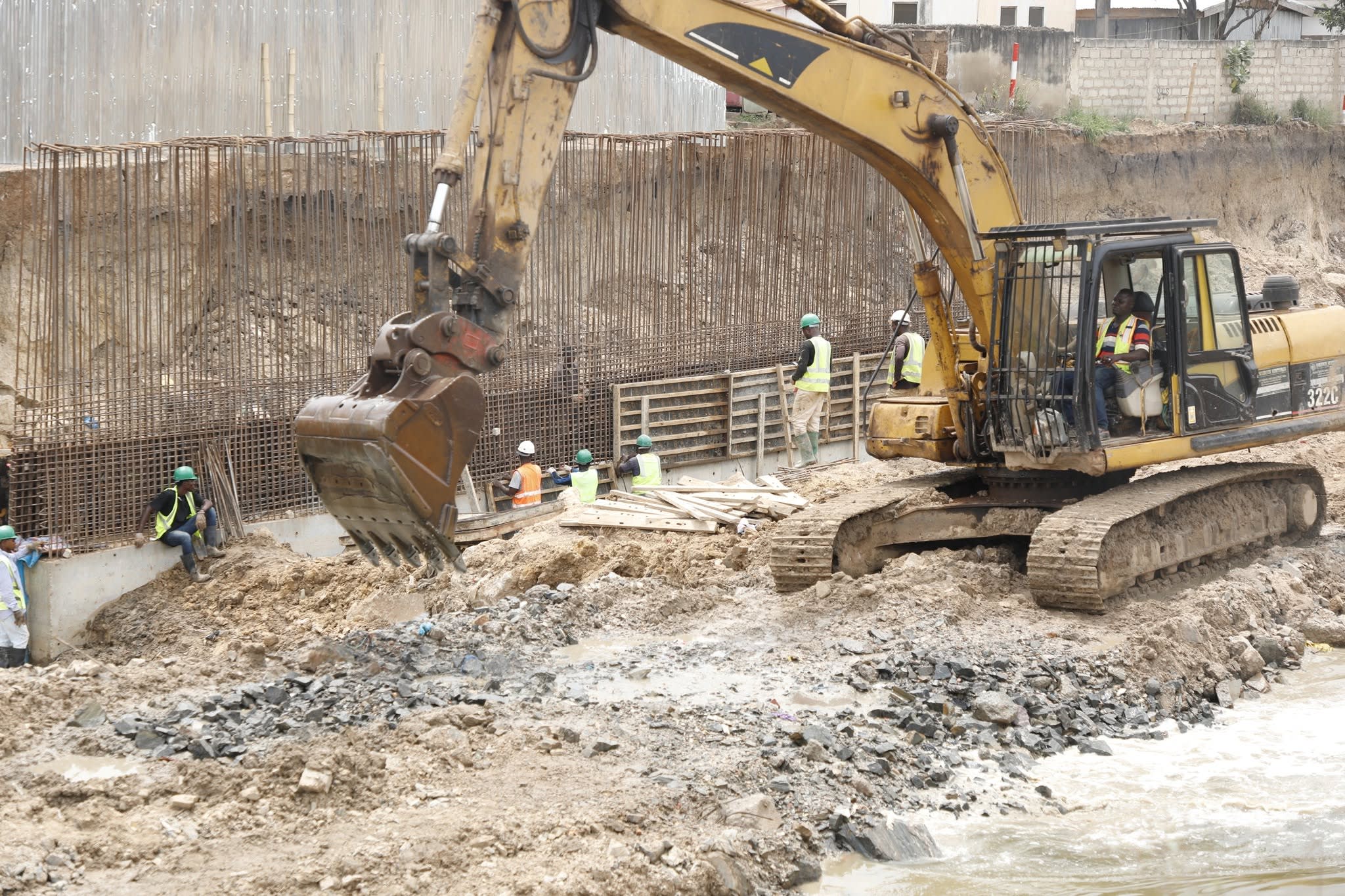
The GARID funds used to support Ghana's Covid-19 response have come under fresh scrutiny after the Ministry of Finance disclosed that US$4.2 million transferred from the Greater Accra Resilient and Integrated Development Project remains unretired.
Frederick Amissah, Technical Advisor at the Ministry of Finance, said the issue is not about delayed disbursements under the World Bank-funded project but about how part of the borrowed money was spent and accounted for.
"There haven't been any delays in the release of funds," Mr. Amissah said in an interview, dismissing suggestions that funding constraints had slowed implementation of the GARID programme.
According to Mr. Amissah, the current administration reviewed several externally financed projects after taking office in 2025 and identified spending patterns that warranted closer examination.
He explained that the GARID project is backed by a US$350 million World Bank facility, with US$137 million already drawn down. Of that amount, he said, approximately US$65 million was redirected to Covid-19-related expenditure during the previous administration.
"The figures are out there. Nearly half of the US$137 million went into Covid expenditure," he stated. While US$60.8 million has been properly retired, Mr. Amissah said "about US$4.2 million remains unretired."
He argued that the diversion of the funds was difficult to justify, maintaining that Ghana had access to other financing sources during the pandemic, including the Stabilisation Fund, the International Monetary Fund's Rapid Credit Facility and support from the African Development Bank. "There was no justification for that," he said.
Specific Expenditure Under Review
Mr. Amissah also questioned several spending items financed through the redirected funds.
He said about US$2.8 million was spent on fumigation, while more than US$1 million went toward quarantine feeding. Another US$3 million, he added, was recorded simply as "support for Covid-19 activities. We don't know what that is," he remarked.
Part of the US$60.8 million that has been retired was also distributed to Metropolitan, Municipal and District Assemblies, according to the Finance Ministry.
Mr. Amissah further argued that the effectiveness of some interventions, particularly the nationwide fumigation exercise, remains open to debate.
He maintained that because the funds were borrowed, every expenditure should be fully accounted for, warning that Ghana's debt challenges underscore the need for stricter oversight of loan-financed projects.
The Ministry says ensuring transparency in the use of borrowed resources remains essential as the country continues efforts to restore fiscal stability and strengthen public financial management.
READ ALSO: National Research Fund Must Deliver Real Impact, Vice President Tells Board