The National Research Fund must become more than a financing institution for academic projects. It should evolve into a catalyst for solving Ghana's most pressing development challenges, Vice President Jane Naana Opoku Agyemang has said.
Speaking after a meeting with the Governing Board and Management of the National Research Fund, led by Board Chairman Professor Eric Yirenkyi Danquah, the Vice President welcomed the progress made since the Fund became operational but stressed that its long term success would be judged by tangible outcomes rather than policy ambitions.
"The success of the National Research Fund will ultimately be measured by the real impact those projects have on the lives of Ghanaians," she said.
From Vision to Reality
The meeting reviewed milestones achieved by the Fund, including its transition from a statutory body into a fully operational national institution.
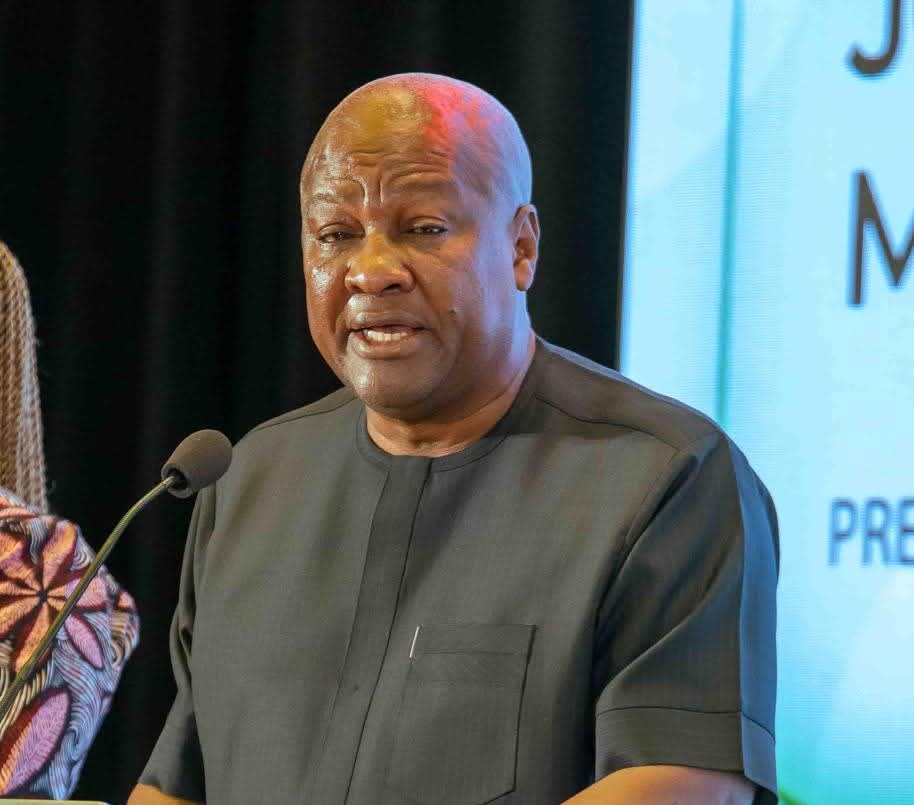
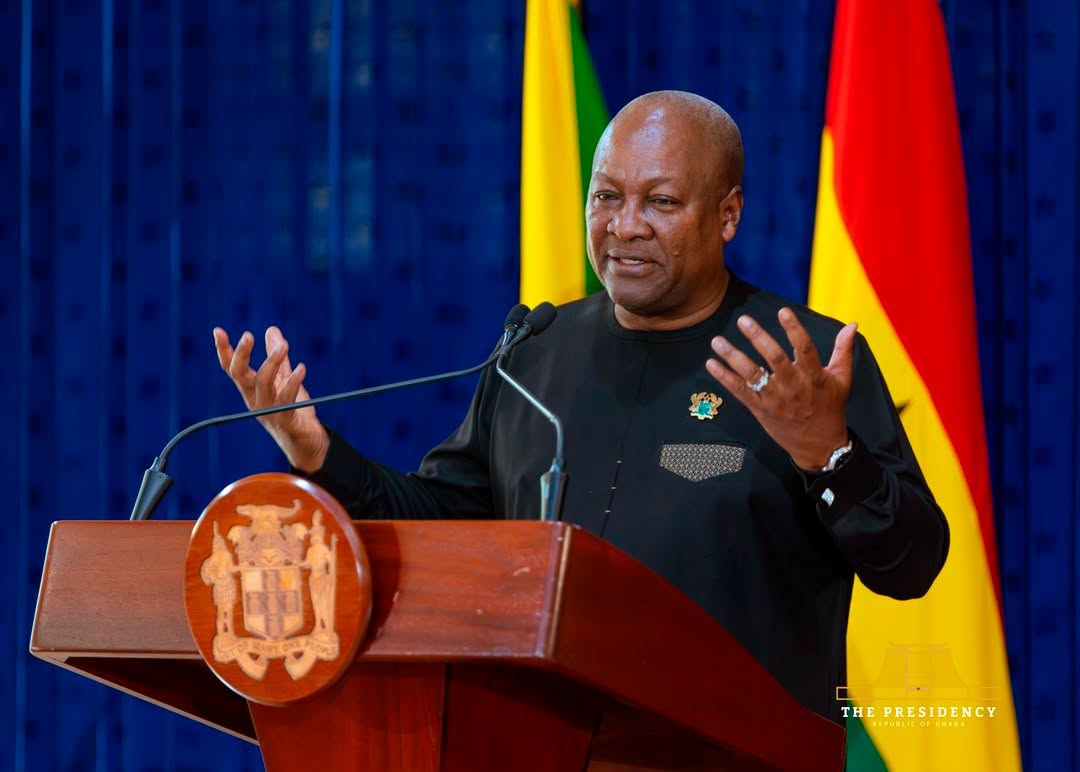
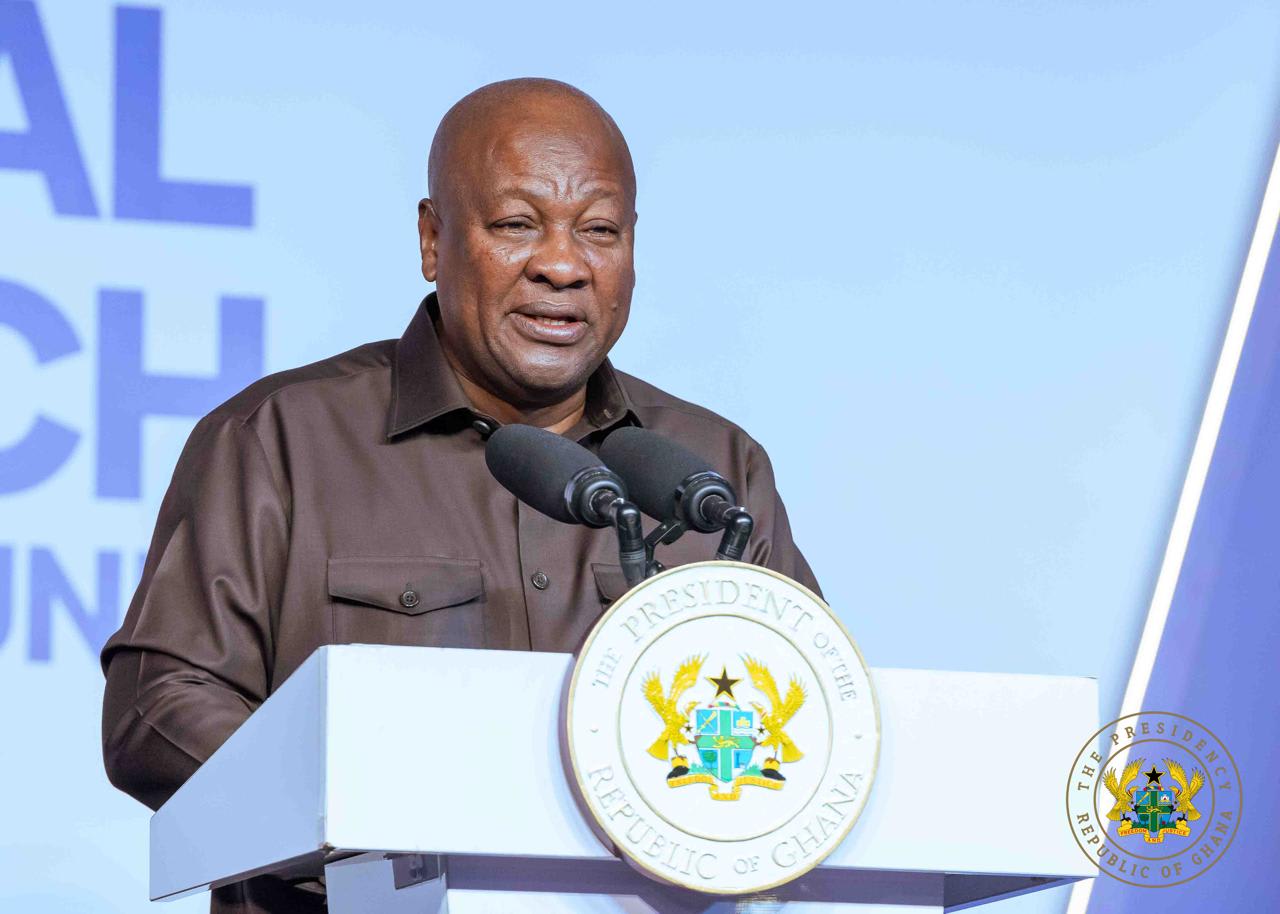
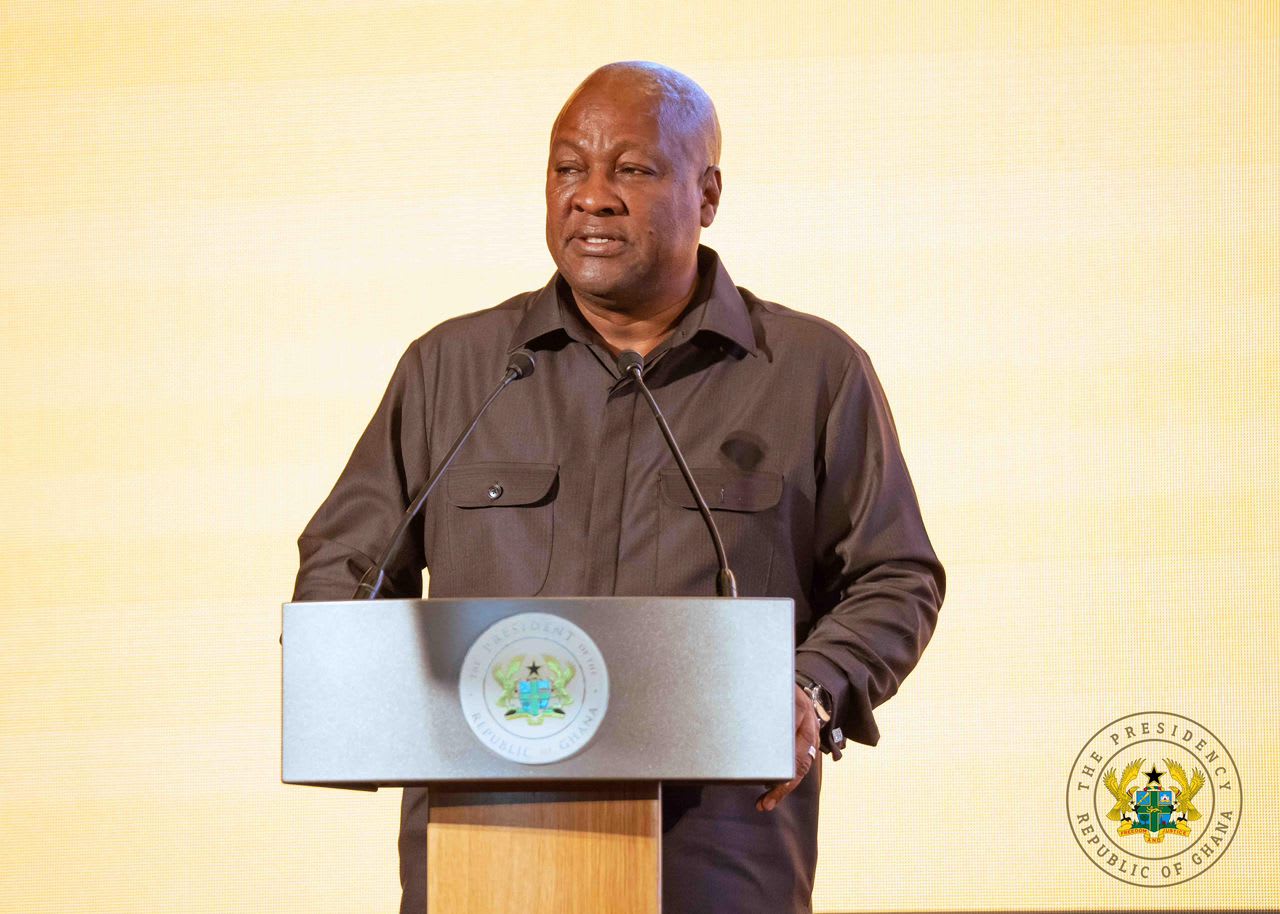
The Board also highlighted the official launch of the Fund by President John Dramani Mahama on June 16, the development of a national research and innovation strategy, the establishment of a functioning Secretariat and ongoing efforts to secure the passage of the Legislative Instrument needed to strengthen its legal framework.
Progress has also been made in building partnerships with government ministries, development partners and initiatives such as the Africa Higher Education Centres of Excellence programme to expand research capacity in priority sectors.
Reflecting on the institution's journey, the Vice President noted that work to establish the Fund began more than a decade ago.
"Our efforts, dating back to 2013, laid the foundation for this important national institution," she said, describing its operationalisation as a significant national achievement.
Research Must Solve National Problems
Professor Opoku Agyemang urged the Fund to ensure research produces practical benefits rather than remaining confined to academic publications.
She said innovation should support job creation, strengthen agriculture and industry, improve public services and generate evidence based solutions to challenges confronting the country.
Sanitation, she suggested, presents one opportunity for the Fund to demonstrate how research can influence public policy and improve everyday life.
The Vice President also encouraged broader collaboration between universities, the Council for Scientific and Industrial Research, research institutes and the private sector to ensure discoveries are translated into commercial innovation and employment opportunities.
She added that research should play a stronger role in advancing Ghana's trade and industrialisation agenda.
Diversifying Funding and Building Public Trust
Acknowledging constraints on public finances, the Vice President called on the Fund to broaden its funding base through partnerships with industry, philanthropic organisations and development institutions.
She cautioned, however, that external support must remain aligned with Ghana's national priorities.
Equally important, she said, is building public confidence in the institution through visible, high impact projects while avoiding unnecessary administrative costs during its early years.
She reaffirmed the government's commitment to strengthening evidence based policymaking, saying the National Research Fund has a unique responsibility to help reshape how Ghana plans, innovates and develops.
For the Vice President, the institution's legacy will not rest on the number of studies it supports, but on whether those ideas become solutions that improve livelihoods and drive national development.
READ ALSO: Flood Forecasting Technology: AI Could Help Ghana Predict Floods Before Disaster Strikes