Ghana’s New Economy programme has moved a step closer to implementation as Finance Minister Cassiel Ato Forson begins consultations with key economic ministries ahead of the planned US$10 billion initiative.
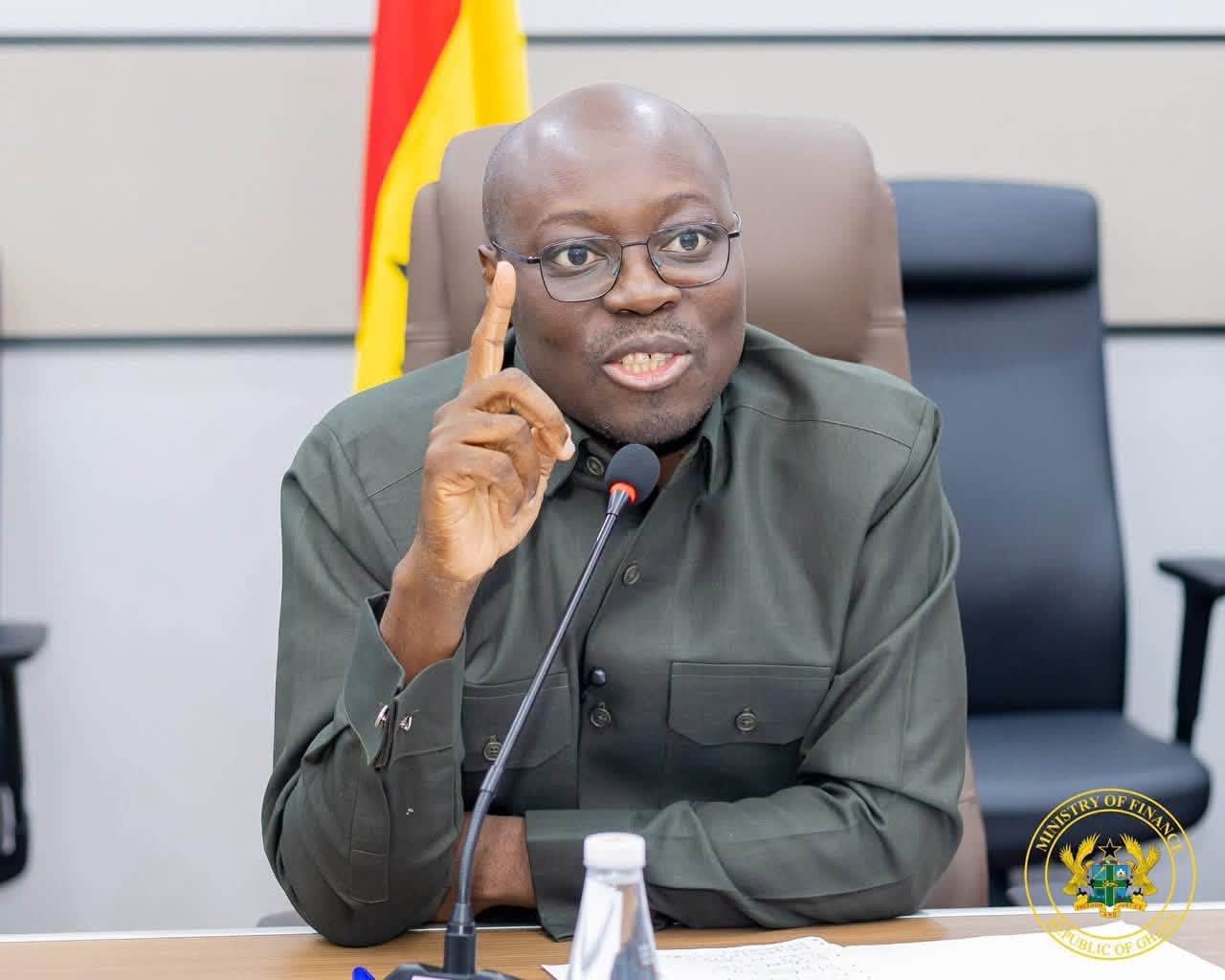
Dr Forson, accompanied by his deputy, the Chief Director of the Ministry of Finance and other senior officials, met Trade, Agribusiness and Industry Minister Elizabeth Ofosu Adjare and officials of her ministry.
The consultations are intended to turn the government’s broad policy commitment into a practical economic strategy, with investment, production and job creation at its centre.
President John Dramani Mahama has said the programme will direct US$10 billion into priority sectors. More details are expected when the 2027 Budget is presented in November.
From Stabilisation to Production
The initiative marks a possible shift in emphasis for the Mahama administration. Ghana’s recent recovery has focused heavily on restoring fiscal discipline, rebuilding reserves and easing the pressures that pushed the country into debt distress.
Dr Forson said the next stage must go beyond keeping the economy stable.
“Through the New Economy agenda that we will unveil, we will build an economy that does not merely withstand shocks but creates jobs, generates wealth and grows on the strength of what Ghana produces.” - Dr Forson
He has also described stabilisation as “the price of entry,” rather than the final destination.
That distinction matters. Stronger reserves and improved fiscal conditions can create room for investment, but they do not automatically produce factories, competitive exporters or well paid jobs.
Agriculture and Industry in Focus
The involvement of the Trade, Agribusiness and Industry Ministry is significant because agriculture and manufacturing will be central to any attempt to change Ghana’s production structure.
The country continues to depend heavily on primary commodities for foreign exchange while capturing less value from processing and manufacturing those resources locally.
A successful programme would need to connect farmers to processors, expand food manufacturing and increase the domestic transformation of minerals and other raw materials.
Such a strategy could address two longstanding weaknesses at once: limited employment opportunities and the economy’s dependence on commodity exports.
The wider requirements are substantial. Reliable electricity, transport infrastructure, logistics, technology, skills and access to finance will all influence whether businesses can expand and compete.
Financing Will Decide the Outcome
The US$10 billion headline is likely to attract attention, but the financing structure will determine whether the programme strengthens Ghana’s recovery or creates fresh vulnerabilities.
Key questions remain over how much will come from public expenditure, private capital, development finance, public private partnerships or sovereign backed financing.
For a country emerging from debt distress, a programme built mainly on new government borrowing could undermine recent fiscal gains. A better approach may be to use limited public funds to attract larger private investment.
Government could focus on industrial infrastructure, reliable power, roads, digital systems and regulatory reform, while commercially viable production projects are financed by private investors.
The programme’s political and economic success will ultimately be measured by jobs.
Agribusiness, manufacturing, construction, logistics and technology could provide more employment intensive growth than capital heavy sectors that raise output without creating enough opportunities for young people.
The objective should be to establish businesses that can sustain employment after government funded projects end.
Infrastructure spending must also be judged by its economic return. Better roads should reduce post harvest losses, reliable electricity should support factories, efficient ports should improve exports and digital networks should widen access to markets and finance.
Execution Holds the Key
Ghana has no shortage of development plans. The difficulty has often been turning ambitious strategies into productive assets that generate returns, exports and sustainable employment.
Government will therefore need clear project selection criteria, transparent financing arrangements and measurable outcomes.
Investors will want to know whether the US$10 billion is committed funding or a mobilisation target, which sectors will receive priority and what safeguards will prevent politically attractive but economically weak projects from consuming scarce resources.
The New Economy programme could become a major catalyst for structural transformation. But spending US$10 billion will not, by itself, amount to development.
The real test will be whether Ghana produces more, processes more, exports more and creates businesses capable of growing without permanent government support.
READ ALSO: John Ternus Takes Over as Apple CEO