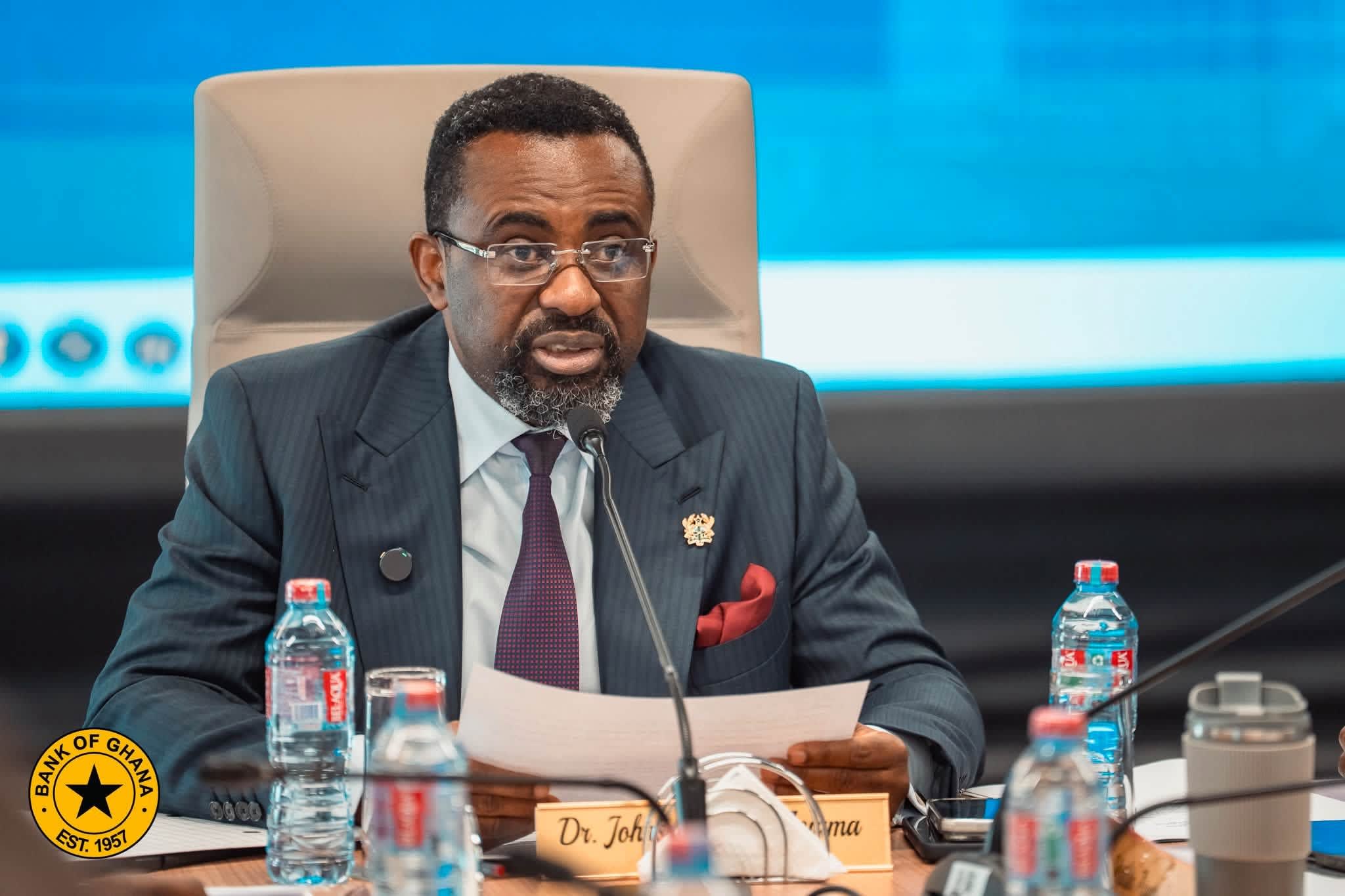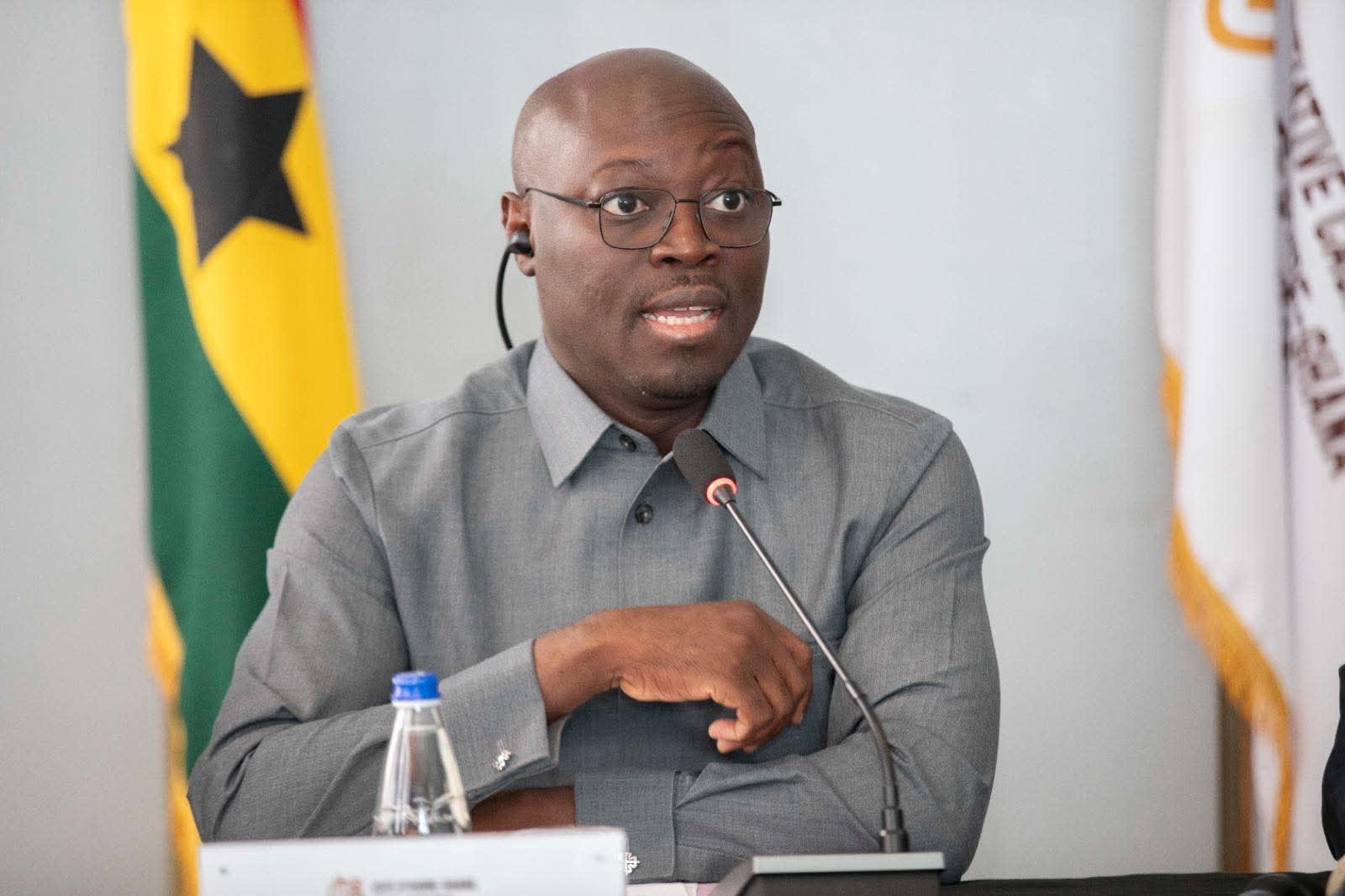
The International Monetary Fund says Ghana is better positioned to withstand potential commodity shocks as the economy enters a new phase of reforms following the completion of its Extended Credit Facility programme.
IMF African Department Director Zeine Zeidane said Ghana’s recent economic performance had been strong, with improving fiscal conditions and a sovereign credit rating upgrade pointing to continued recovery.
“The performance has been strong up to now,” Mr Zeidane said at a Sub Saharan Africa press briefing during the 2026 IMF and World Bank Annual Meetings in Bangkok. “Things are moving in Ghana in the right direction.”
IMF Sees Stronger Buffer Against Shocks
Mr Zeidane acknowledged that commodity price swings remain a risk for Ghana and other economies, particularly those exposed to movements in gold, oil and other internationally traded products.
He said Ghana would, however, be confronting any such disruption from a stronger starting point.
“Every country can face them, but if that happens, Ghana will face them with a very strong position,” he said.
The assessment comes as the IMF’s October 2026 World Economic Outlook places Ghana’s growth at 5.7% for the year, an improvement on earlier projections.
PCI Takes Over From ECF
Ghana completed the final review of its Extended Credit Facility programme in July and moved into a 36 month Policy Coordination Instrument.
Unlike the ECF, the PCI does not provide direct financing. It is intended to preserve recent stabilisation gains while supporting reforms in fiscal management, debt sustainability, governance and financial sector stability.
The IMF has said Ghana made substantial progress under the previous programme, including improvements in macroeconomic stability, reserve accumulation and debt sustainability.
The test now is whether those gains can survive weaker commodity prices or other external shocks without reopening fiscal and financing pressures.
For Ghana, that means maintaining reform discipline while converting improved macroeconomic indicators into sustained investment, production and jobs.
READ ALSO: Mahama Gets Preliminary Report on 3.9 tonnes Cocaine Shipment