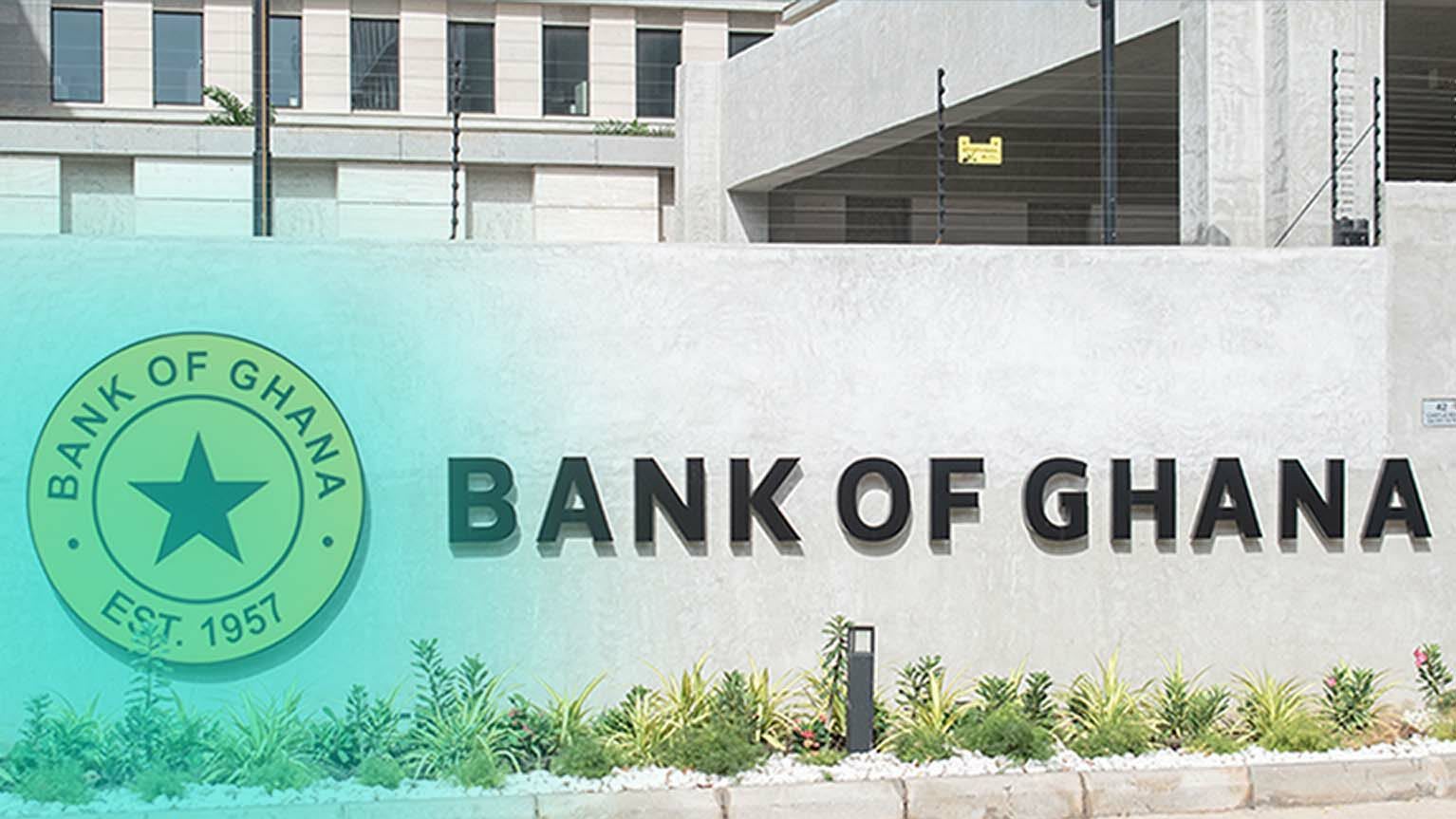
The Monetary Policy Committee (MPC) of the Bank of Ghana has begun a three-day meeting that could shape the country's monetary policy direction for the months ahead, with inflation, external risks and the recent resilience of the cedi expected to dominate deliberations.
The meeting, which started today, will conclude on Wednesday, July 22, when the central bank announces its latest policy rate decision. The benchmark rate currently stands at 14 percent.
For weeks, financial markets had anticipated the possibility of a rate cut. That expectation has softened. Fresh geopolitical tensions in the Middle East and their impact on global oil prices have complicated the outlook, prompting many analysts to predict the Committee will leave the policy rate unchanged.
Global Risks Complicate the Outlook
The MPC enters its latest session against a backdrop of heightened uncertainty.
Higher crude oil prices have revived concerns over imported inflation at a time when Ghana has been working to consolidate recent gains in macroeconomic stability. Any sustained increase in energy costs could feed into transport fares, production expenses and consumer prices, potentially slowing the pace of disinflation.
The recent stability of the cedi will also feature prominently during discussions. Maintaining exchange rate gains remains a priority, particularly as global market conditions become less predictable.
Bank of Ghana Governor Dr. Johnson Asiama has repeatedly stressed that monetary policy decisions will remain data-driven. Speaking recently in an interview with Bloomberg in London, he indicated that developments in the Middle East could influence Ghana's inflation outlook and, by extension, future interest rate decisions.
Economic Indicators Under Review
Over the next three days, Committee members are expected to scrutinise a broad range of economic indicators before reaching a decision.
Inflation trends, exchange rate movements, domestic credit conditions and fiscal developments will all come under review. Members will also assess global economic conditions and the potential risks they pose to Ghana's recovery.
The deliberations are expected to draw on technical reports prepared by senior officials of the central bank, alongside strategic briefings from selected government agencies and industry stakeholders.
After reviewing the evidence, each member will present a policy recommendation before voting. The final decision is reached either through consensus or by majority vote.
High-Stakes Decision
The Monetary Policy Committee is chaired by Governor Dr. Johnson Asiama and includes First Deputy Governor Dr. Zakari Mumuni, Second Deputy Governor Matilda Asante-Asiedu, the Bank's Head of Research, the Head of Treasury and two external members.
Their decision will be closely watched by businesses, investors and financial markets, not only for the outcome itself but also for the signals it provides about the central bank's assessment of inflation and economic growth.
With external pressures mounting and domestic conditions gradually improving, this week's meeting is shaping up to be one of the Bank of Ghana's most closely watched policy sessions of the year.
READ ALSO: Ghana Stock Exchange Records GH¢15.57m Turnover as MTNGH Dominates Trading Activity