Ghana Fuel Stocks Sufficient Despite Middle East Tensions – NPA
The National Petroleum Authority assures Ghanaians that fuel stocks will last several weeks despite global oil market uncertainty caused by Middle East tensions.
Page 56

The National Petroleum Authority assures Ghanaians that fuel stocks will last several weeks despite global oil market uncertainty caused by Middle East tensions.

Global oil prices have surged following the Strait of Hormuz blockade, raising concerns about possible fuel price increases in Ghana.

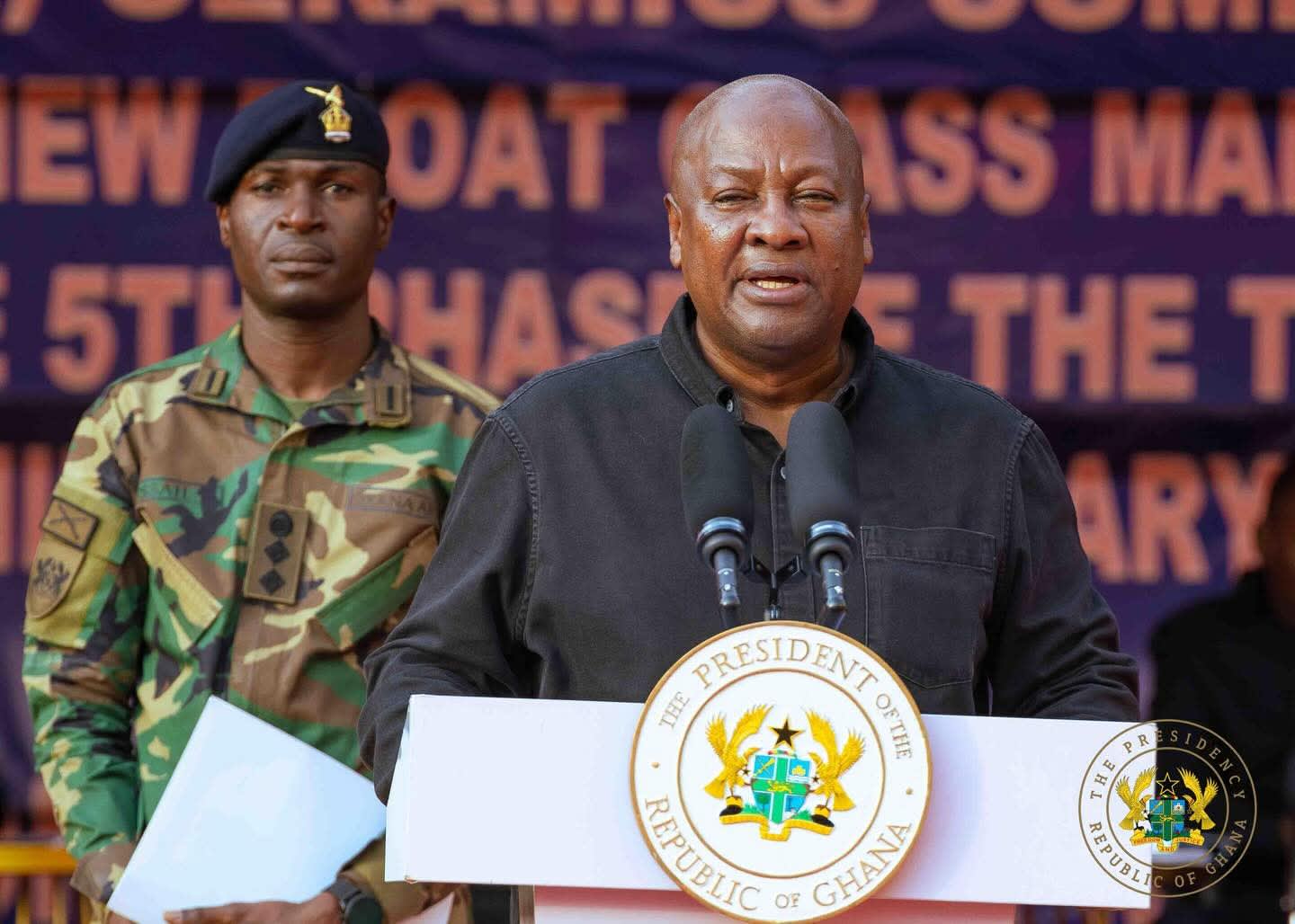
President Mahama says the Feed Ghana Programme is reducing food inflation, boosting production, and strengthening food security under Ghana’s Agriculture for Economic Transformation Agenda.

New gold-backed framework targets stronger external buffers.

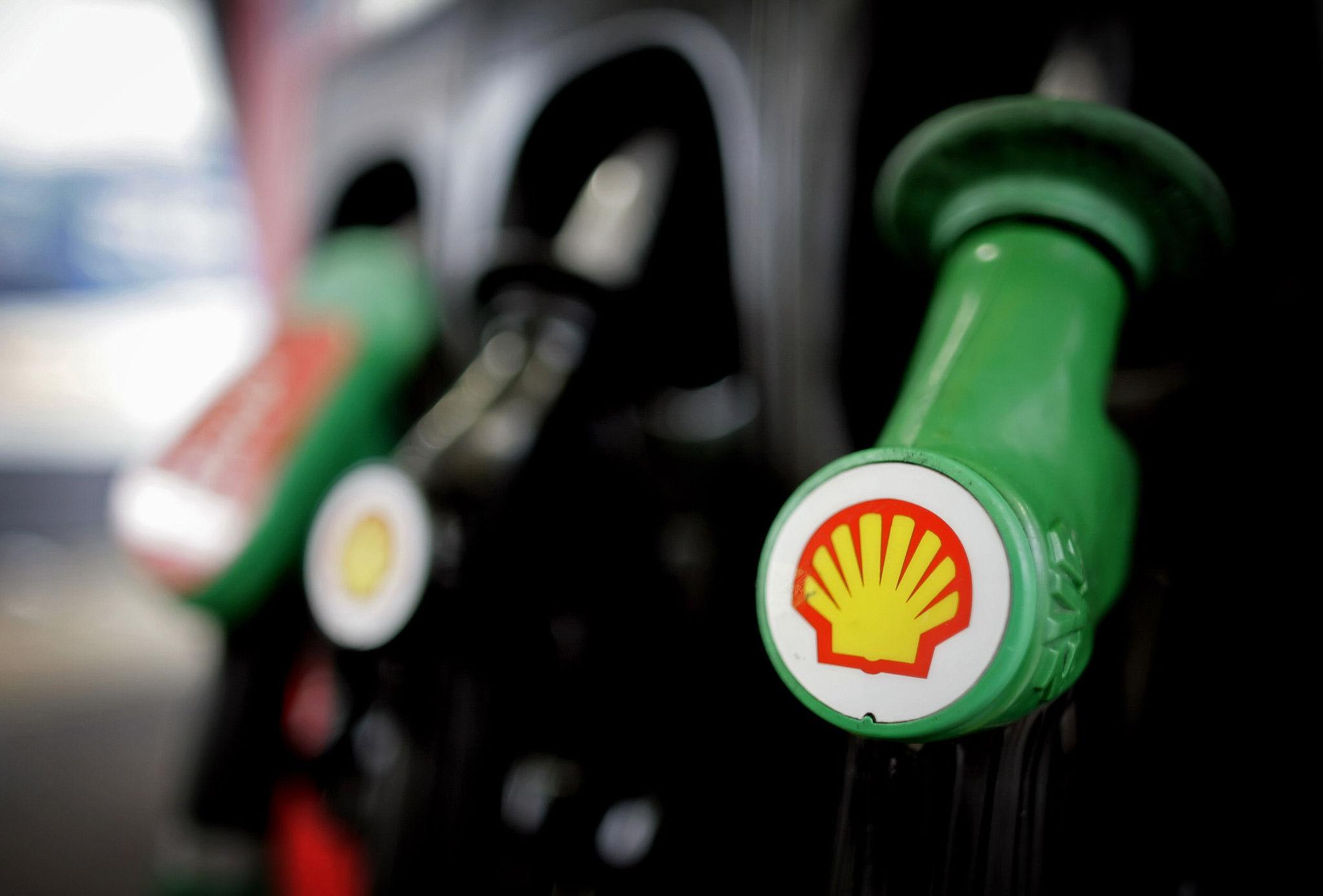
A witness in court has admitted that fuel sold at the Atimpoku Shell filling station was contaminated with water, confirming allegations that unsuspecting motorists purchased adulterated petroleum products.

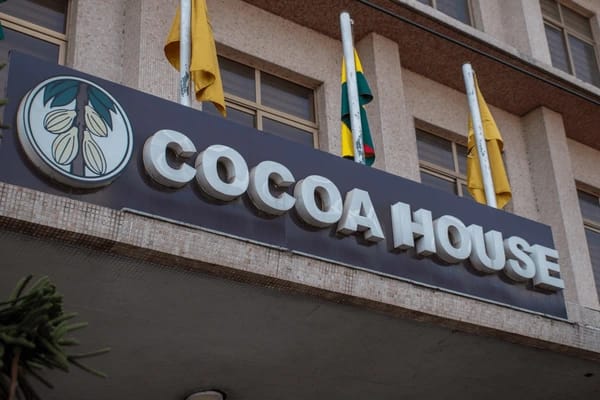
COCOBOD denies claims it diverted GH¢12 million meant for cocoa farmers to sponsor the Black Stars, assuring stakeholders that farmer welfare remains its top priority.

Ghana launches its first national reserve policy, GANRAP, targeting 15 months of import cover by 2028 through gold-backed accumulation and structural reforms.

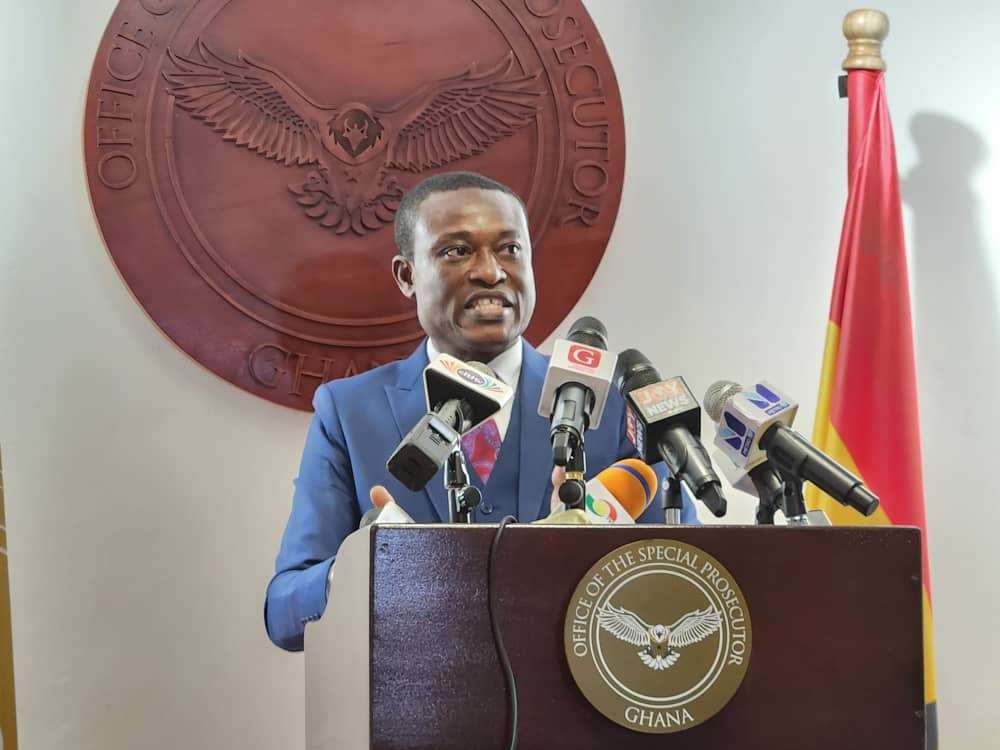
The Office of the Special Prosecutor is probing a suspected palm oil diversion corruption scheme involving Customs officers, security operatives, and an estimated GHS10.5 million tax loss.

Government officials say the 24-Hour Economy initiative aims to create 200,000 jobs this year as industrial projects roll out.

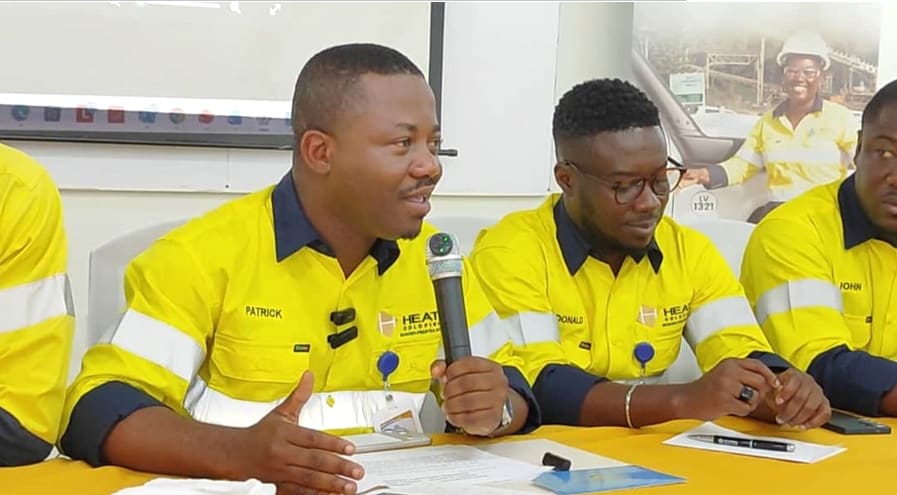
The troubled Bogoso-Prestea mine has resumed production after two years, but community petitions and funding concerns remain unresolved.

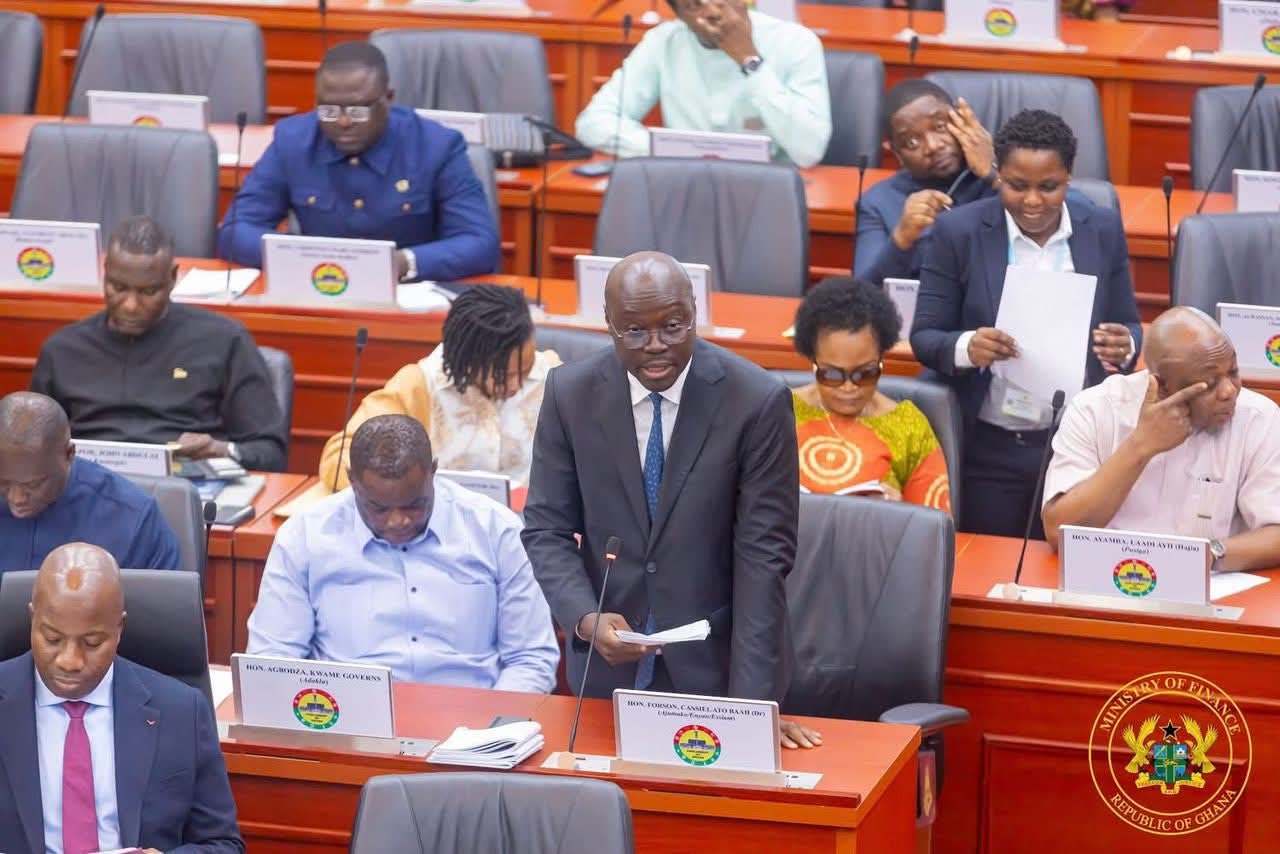
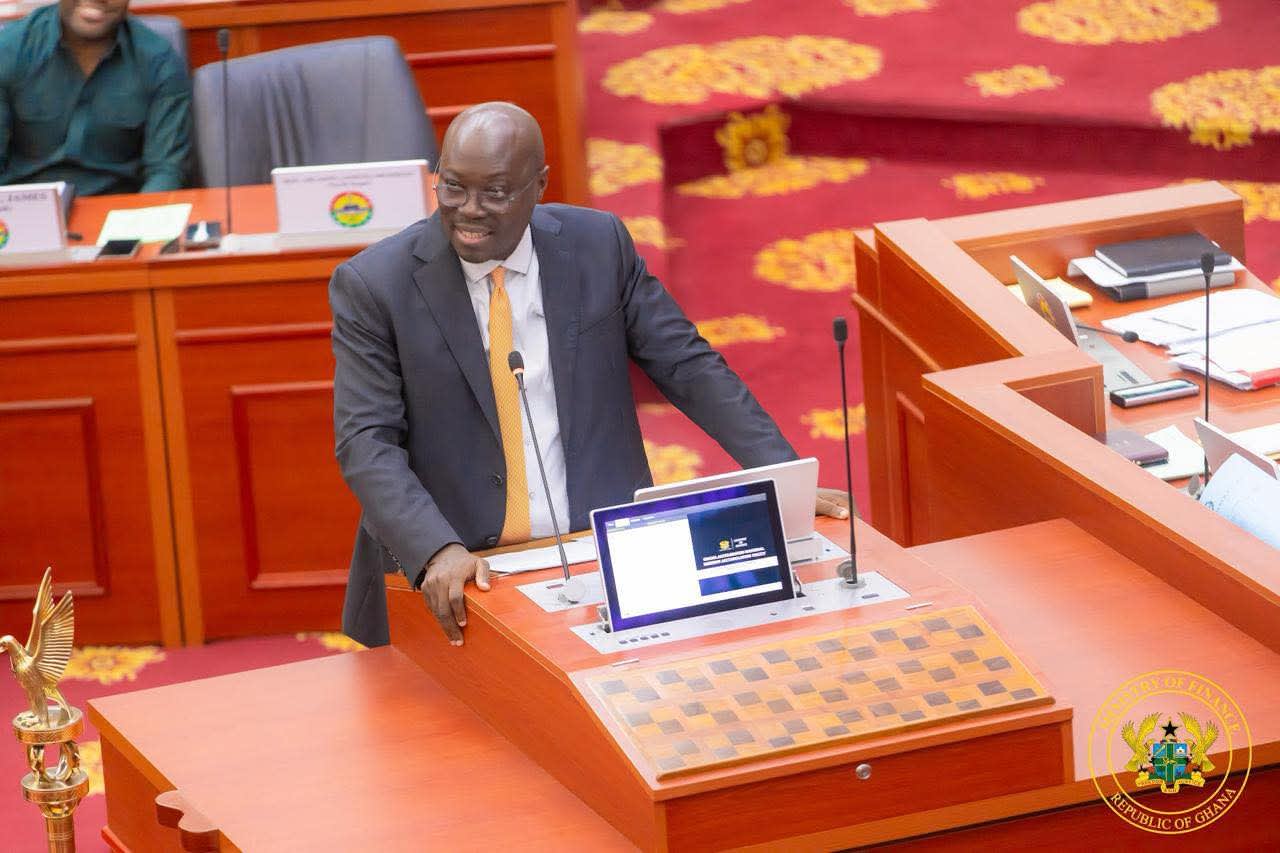
Deputy Finance Minister Thomas Nyarko Ampem says government could consider reducing some taxes and import duties if it succeeds in plugging revenue leakages, as a recent customs enforcement operation raises fresh concerns over compliance and fairness in the tax system.

Ghana’s public debt declined sharply between 2024 and 2025, signaling a significant shift in fiscal stability as inflation and deficit levels also improved.