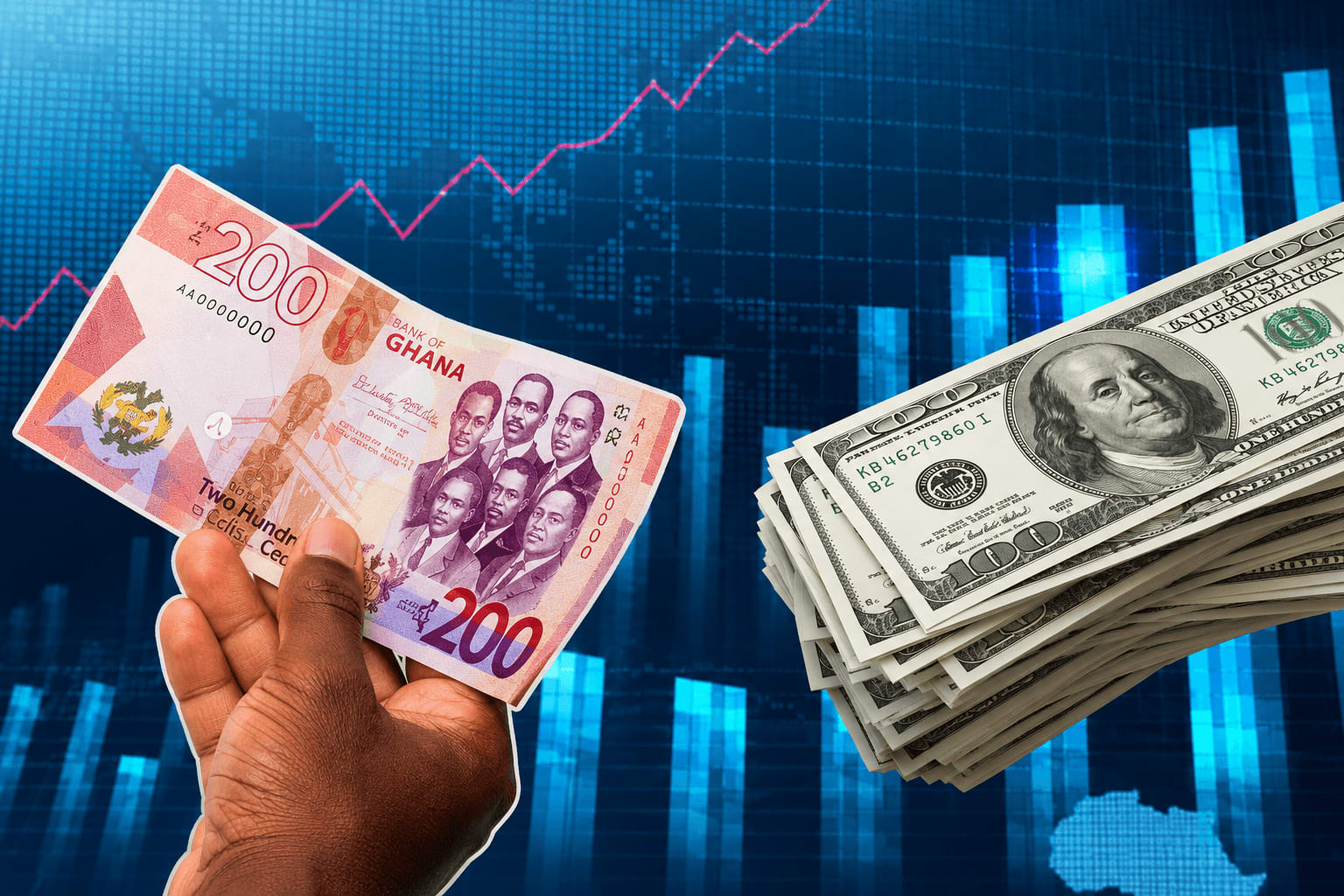
The Ghana cedi depreciation has gathered pace again as businesses and energy-sector companies increase their demand for US dollars, cutting into some of the currency’s gains recorded earlier in 2026.
Commercial bank market data show that the cedi lost 1.86% against the dollar in July after appreciating by 3.30% in June. Pressure continued into August, when the currency recorded week-to-date and month-to-date declines of 0.52% and 1.66%, respectively.
The cedi’s year-to-date depreciation stood at 8.06% over the period under review.
June’s recovery was supported by increased foreign exchange supply from the Bank of Ghana. The central bank injected about US$2.01 billion into the market, helping banks meet corporate demand and slowing the currency’s decline.
That breathing space did not last. Higher demand for foreign currency to finance petroleum imports became a major source of pressure in July, with energy companies requiring more dollars to pay for refined products.
Christmas imports enter the market early
Businesses preparing for the December shopping season have also started building inventories, adding another layer of demand.
Importers usually place orders several months before Christmas to allow time for production, shipping and customs clearance. The result is familiar: more companies chasing dollars within a relatively short period.
Rising international petroleum prices could make the situation harder. Ghana imports substantial quantities of finished fuel, so higher prices increase the dollar value of payments even when import volumes remain unchanged.
Central bank expects relative stability
The Bank of Ghana has described the movements as part of normal market activity and expects the currency to remain broadly stable over the medium term.
“Over the medium term, the Ghana cedi is expected to remain relatively stable,” the central bank said in its July 2026 Monetary Policy Report.
It added that “FX intermediation is expected to moderate the pressures on the cedi, along with remittance flows.”
The central bank is expected to make about US$500 million available through its foreign exchange intermediation programme in September.
GoldBod is targeting another US$1.4 billion in foreign exchange receipts during the month. Under its published arrangement, US$700 million is intended for commercial banks through spot sales and funded forward transactions.
Up to US$700 million will go to the Bank of Ghana for reserve accumulation under the Ghana Accelerated National Reserve Accumulation Policy.
Those inflows could provide support, but the contest is straightforward. Importers need more dollars, energy costs are rising and Christmas demand is arriving.
The strength and timing of central bank and GoldBod supply will determine how much pressure reaches the cedi.
READ ALSO: Aliko Dangote's Wealth Surges as Refinery IPO Unlocks near US$50bn Valuation