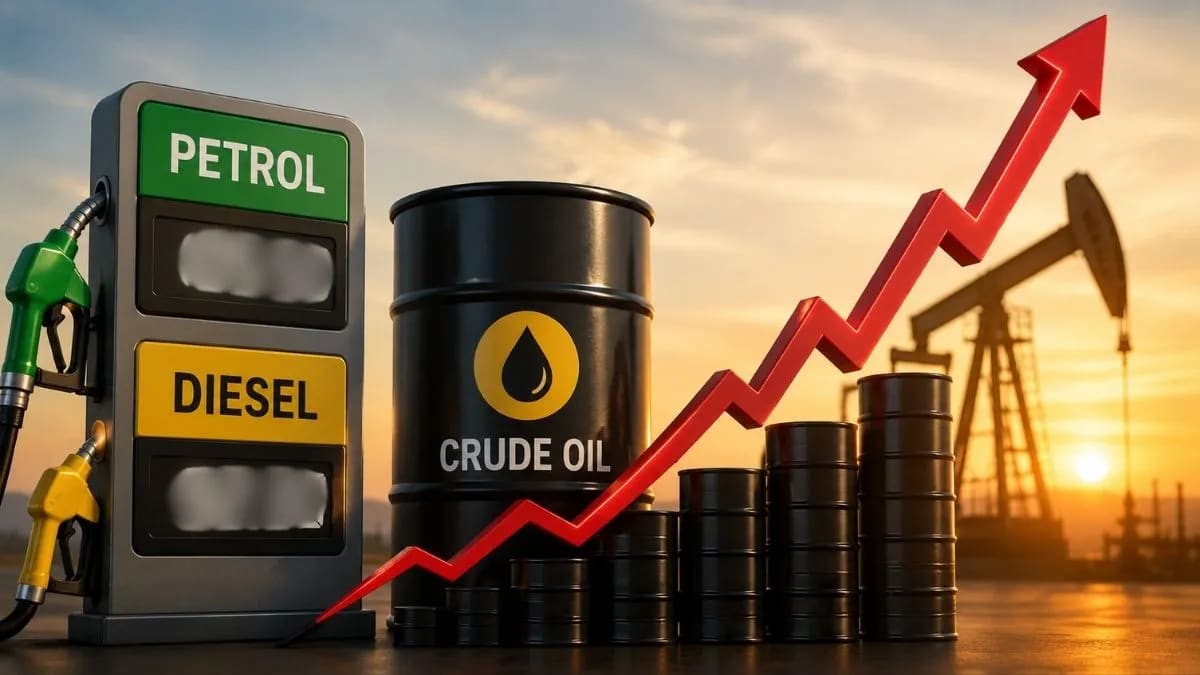
Ghanaian consumers could see another surge in the cost of petrol, diesel, and Liquefied Petroleum Gas (LPG) starting September 16, following a decision by the National Petroleum Authority (NPA) to raise minimum price floors across the downstream sector.
Price floor data from the regulator, cited by Sweet FM Online, set the minimum price for petrol at GH¢16 per litre and diesel at GH¢16.77 per litre. Liquefied Petroleum Gas has been assigned a floor of GH¢10.97 per kilogramme.
All three figures are higher than those issued for the first September window.
Petrol recorded the biggest increase in cedi terms, rising by GH¢1.47 from GH¢14.53 per litre. The diesel floor moved up by GH¢1.17 from GH¢15.60, while LPG increased by GH¢0.12 from GH¢10.85 per kilogramme.
Price floors are not final pump prices
Motorists may end up paying more than the new minimum rates. The NPA floors establish the lowest permissible selling prices, not the final amounts that individual fuel stations must charge.
The prescribed figures exclude trading premiums, bulk distribution margins and the operating margins of oil marketing companies and dealers. Those costs are calculated independently under the petroleum pricing guidelines.
This means competition among oil marketing companies will still shape the prices displayed at filling stations. It also leaves room for companies to absorb part of the increase, although persistent pressure from international markets could limit that option.
The Chamber of Petroleum Consumers projects petrol to rise by 4.24% to about GH¢16.26 per litre. Diesel could climb by 10.23% to approximately GH¢19.07, while LPG may reach GH¢15.32 per kilogramme.
The COPEC projections remain estimates, with actual prices depending on decisions by individual marketers.
COPEC seeks extended relief
COPEC has asked the government to provide “a GH¢1 per litre relief on petrol” and maintain the existing GH¢2 intervention on diesel until international prices settle.
The expected increases follow a sharp rise in crude oil and refined product prices linked to supply fears in the Middle East.
Ghana imports significant quantities of finished petroleum products, exposing local prices to international market movements and changes in the cedi-dollar exchange rate.
The effect will travel beyond filling stations. Higher diesel and petrol prices could raise transport fares, food distribution costs and business expenses, placing another squeeze on household budgets.
For consumers, the real numbers will appear on station price boards from Wednesday. The NPA floors have already established one thing: cheaper fuel will be difficult to find in this pricing window.