The New GIPC Act has ushered in one of the biggest changes to Ghana's investment regime in years, scrapping minimum capital requirements for foreign investors in most sectors while introducing new measures aimed at attracting investment and helping local businesses expand beyond Ghana's borders.
The legislation, which has been passed by Parliament and assented to by President John Dramani Mahama, removes a requirement that many investors had long described as a barrier to doing business in the country.
Only the trading sector remains subject to a capital threshold. Under the new law, foreign investors entering trading businesses must inject US$500,000 in cash, replacing the previous arrangement that permitted the requirement to be met through imported goods.
Government Responds to Investor Concerns
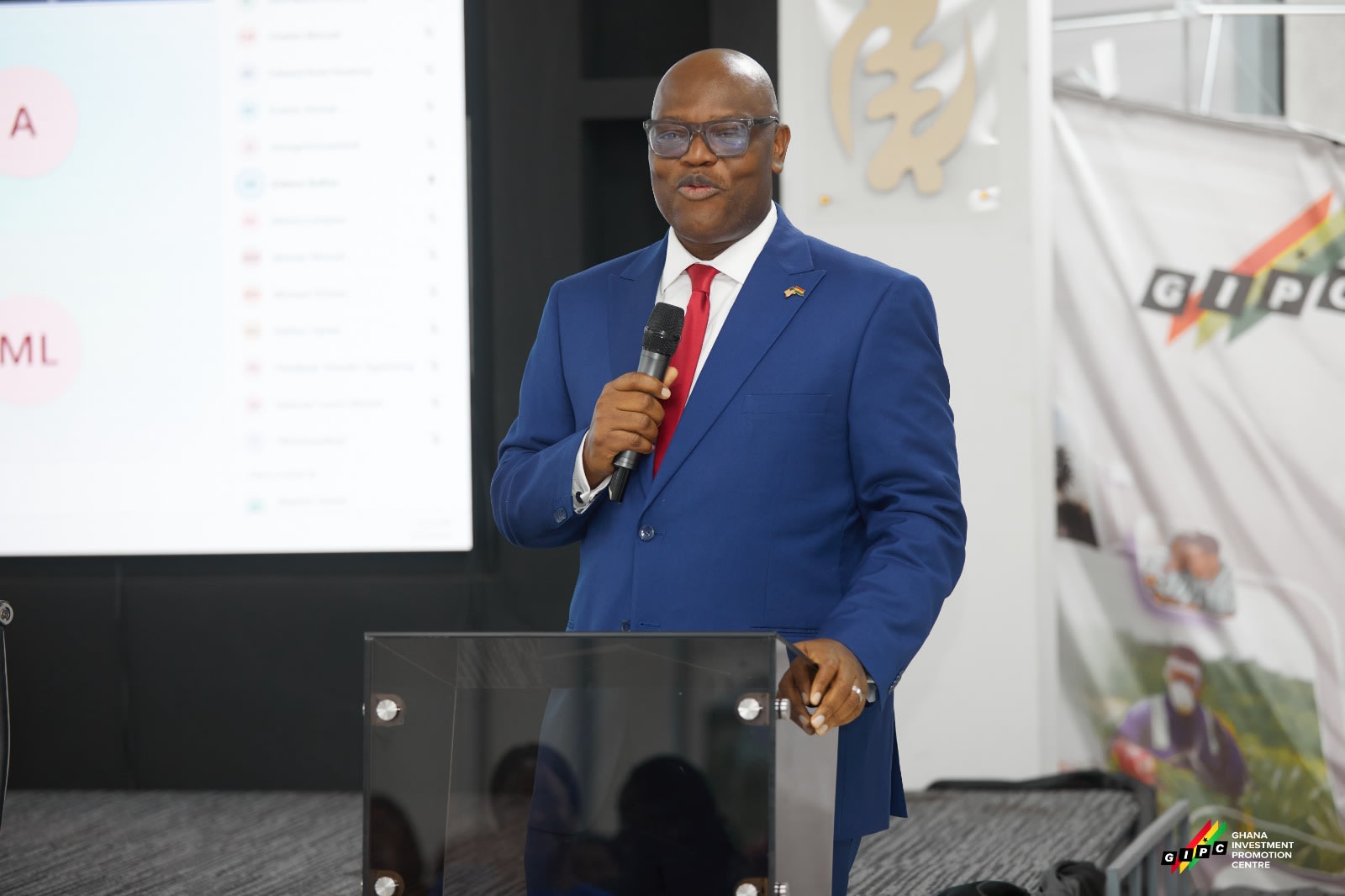
Chief Executive Officer of the Ghana Investment Promotion Centre, Simon Madjie, said the reform directly addresses concerns that have featured prominently in discussions with potential investors over the years.
"For investors who've been complaining about the minimum capital requirement, that has been eliminated by the passage of the new law," he said.
He explained that the exemption does not apply to trading enterprises.
"Those in a trading enterprise, they must now bring in a cash amount of $500,000. No longer have goods, but a cash amount of $500,000," Mr Madjie stated.
The policy shift is expected to lower entry barriers for foreign investors seeking opportunities in manufacturing, services, agriculture and other productive sectors of the economy.
New Investment Framework
The legislation reaches beyond capital requirements.
It establishes a National Investment Registry that will serve as a central database for monitoring investments across the country, a move expected to improve data collection and strengthen oversight of investment projects.
Mr Madjie also revealed that the law introduces measures aimed at encouraging Ghanaian businesses to grow into regional and global enterprises.
"We are also going to encourage Ghanaian businesses who have expanded in country to go abroad, to expand their operations abroad.
"The objective is ultimately to create some of the global businesses that we see around," - Mr Madjie
Investment by Citizenship Introduced
Another notable feature of the legislation is the creation of a legal framework for an investment by citizenship programme.
According to Mr Madjie, the details of the initiative will be developed in collaboration with the Ministry of the Interior.
"There's also an interesting part, which is setting the tone for investment by citizenship, working with the Minister of Interior to come up with the modalities for that," he said.
The law also formally transforms the Ghana Investment Promotion Centre into the Ghana Investment Promotion Authority, reflecting what the Chief Executive described as the institution's broader responsibilities.
"We've been promoting investment, and we've also been regulating investment. So, the Authority just reflects the true nature of the work that we've been doing for all these years." - Mr Madjie
The reforms mark a significant shift in Ghana's investment strategy, signalling the government's intention to make the country more competitive in attracting foreign direct investment while building stronger local enterprises capable of competing on the regional and global stage.
READ ALSO: Ghana Stock Exchange Turnover Drops 83% as Kasapreko Dominates Trading