Ghana Strengthens Sustainable Fisheries with Blue Ventures Partnership
Ghana signs MoU with Blue Ventures Conservation to boost sustainable fisheries, tackle IUU fishing, and protect marine resources.

Ghana signs MoU with Blue Ventures Conservation to boost sustainable fisheries, tackle IUU fishing, and protect marine resources.

Global cocoa prices are expected to fall by over 50% in 2026 as supply recovers, according to the World Bank’s latest outlook.

Ghana announces 2026 closed fishing season for marine fleet to restore fish stocks, enforce regulations, and promote sustainable fisheries management.

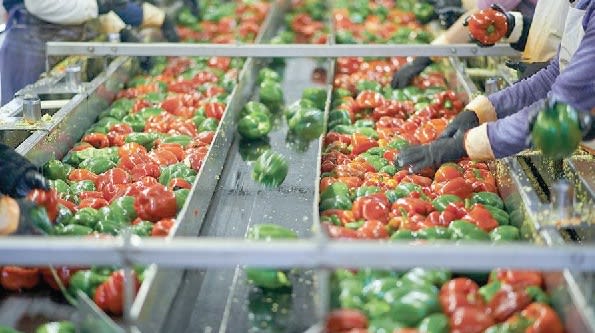
Vice President Naana Jane Opoku-Agyemang backs tomato production investment with GB Foods to reduce imports and strengthen agribusiness in Ghana.

Ghana launches its first Marine Protected Area in the Greater Cape Three Points Area to boost marine conservation and sustainable fishing.

Ghana’s Agriculture Ministry signs MoU with Sentuo Group to establish cashew processing and fertilizer plants, advancing agro-industrial development.

The Ghana Industrial Trawlers Association has praised government for reinstating fishing licenses for four industrial vessels, calling the move a boost for confidence and regulatory fairness.

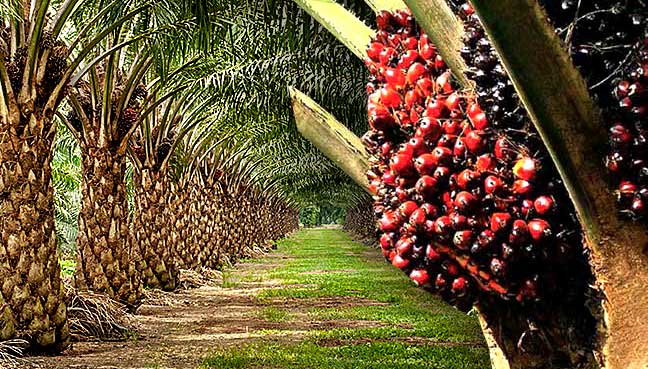
Development Bank Ghana has begun consultations with stakeholders in the oil palm value chain as government prepares a US$500 million financing package to boost production, cut imports, and create jobs.

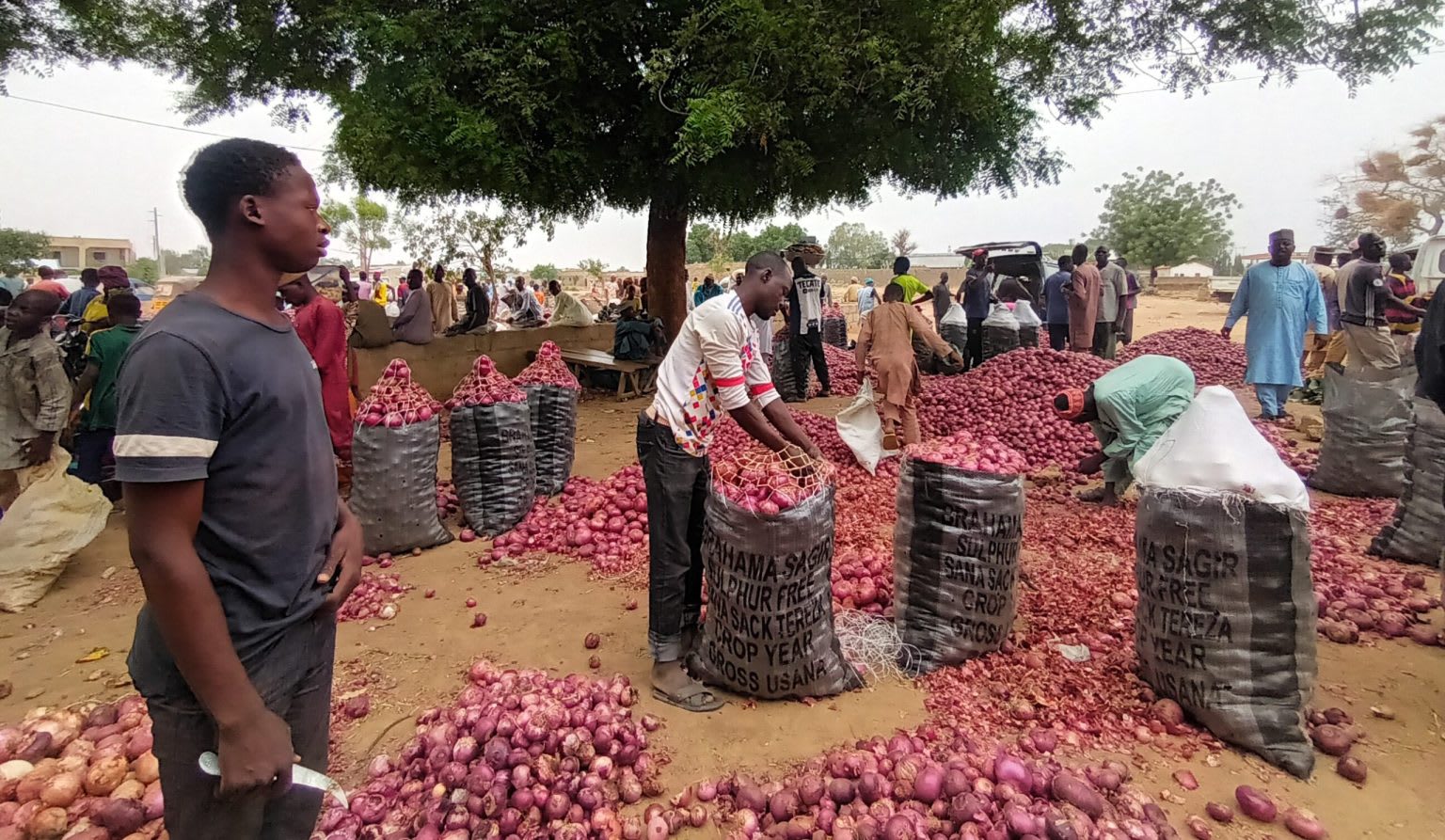
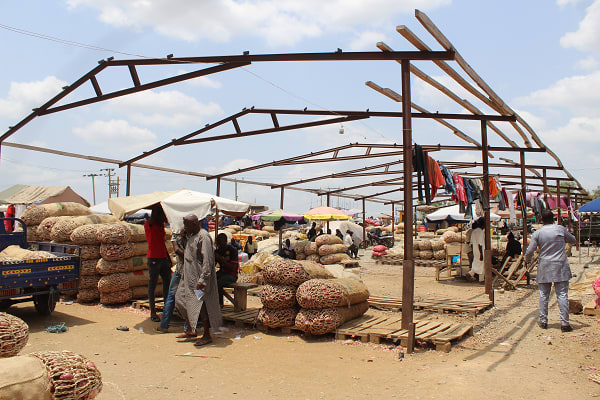
Ghana onion truck blockade concerns are deepening after the Ghana Onion Sellers Association warned that political interference is disrupting supplies and could trigger sharp price increases in local markets.

Ghana onion supply disruption is looming after several trucks transporting onions from Niger through Nigeria were reportedly seized, threatening supplies to markets across the country.

President Mahama says Ghana’s reliance on tomato imports is unsustainable and has launched a crisis production programme to boost local agriculture and processing.

A USDA annual report says Ghana’s food processing ingredients imports reached $1.27 billion in 2025 as demand for convenience foods and local production gaps continue to shape the market.