Ghana's Building Inflation Drops to 2.2% in March 2026
Ghana’s building inflation slows to 2.2% in March 2026, marking 11 months of decline and easing construction cost pressures.

Ghana’s building inflation slows to 2.2% in March 2026, marking 11 months of decline and easing construction cost pressures.

Ghana’s banking sector records strong growth with assets reaching GH¢465.4 billion in February 2026, reflecting improved stability, deposits, and capital strength.

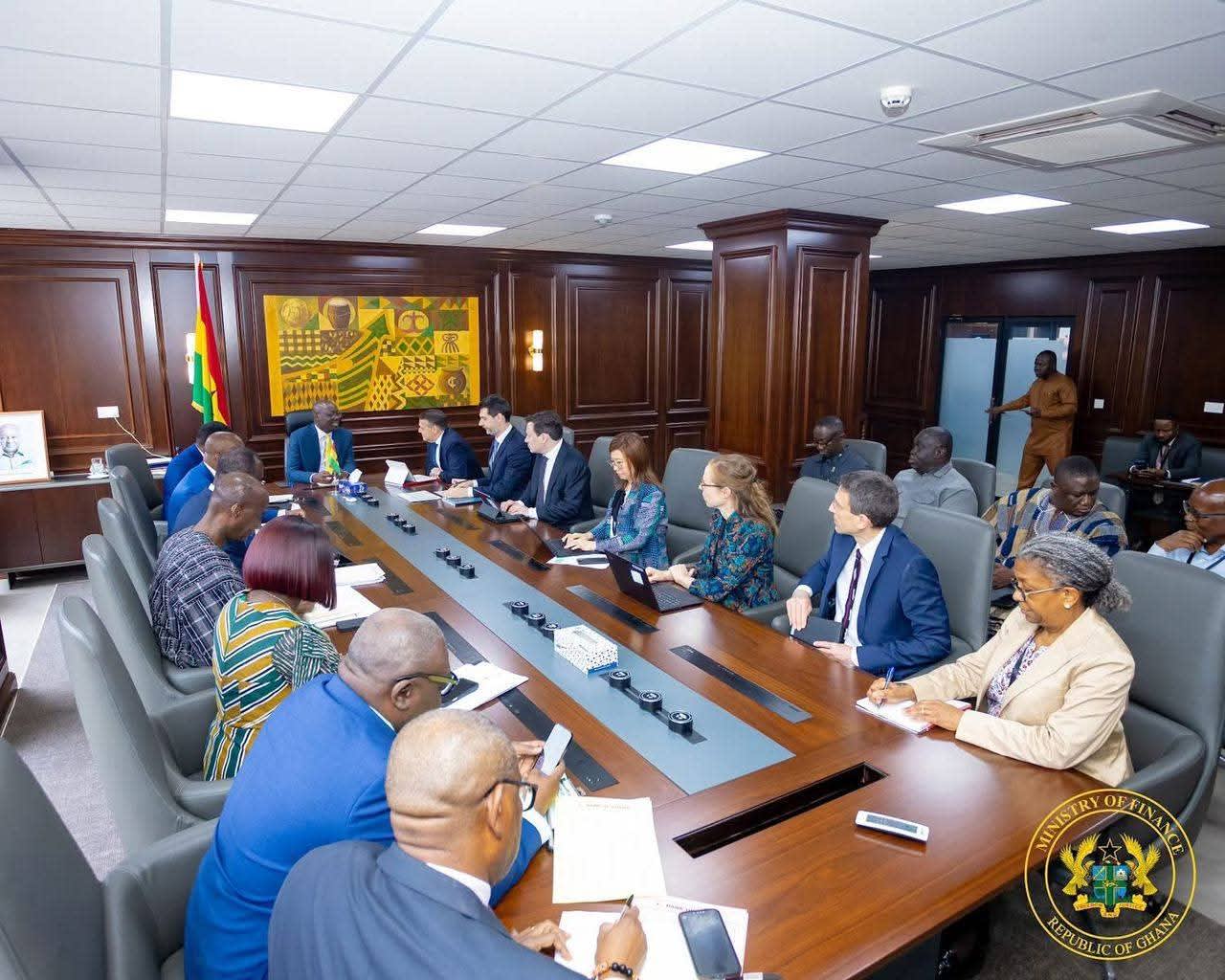
Ghana prepares for the IMF final review under its Extended Credit Facility, with government expressing confidence in a successful programme exit by August 2026.

Government highlights falling inflation, a stabilising cedi, and improved external balances as proof of Ghana’s economic recovery progress.

IMF delegation arrives in Accra for Ghana’s final ECF review, assessing fiscal performance, reforms, and eligibility for final funding tranche.

Ghana removes over 67,000 ghost names from public payroll, saving millions and strengthening financial discipline, says Deputy Finance Minister.

Finance Minister Ato Forson meets Queen Máxima to discuss financial inclusion and strategies to improve financial health in Ghana.

Bank of Ghana Governor meets X content creators to address payout concerns and support digital service exports in Ghana.

IMF projects Ghana’s debt-to-GDP ratio will increase to 53% in 2026, raising concerns about borrowing, growth, and fiscal sustainability.

Ghana Stock Exchange records gains led by banking stocks, though trading activity declines, signaling a narrow but strong market rally.

Ghana’s domestic debt increased to GH¢333.8 billion in 2025, while the overall debt-to-GDP ratio declined due to cedi strength and fiscal discipline.

GETFund disburses GH₵199.47 million to settle outstanding payments for perishable supplies under Ghana’s Free SHS and TVET programmes.